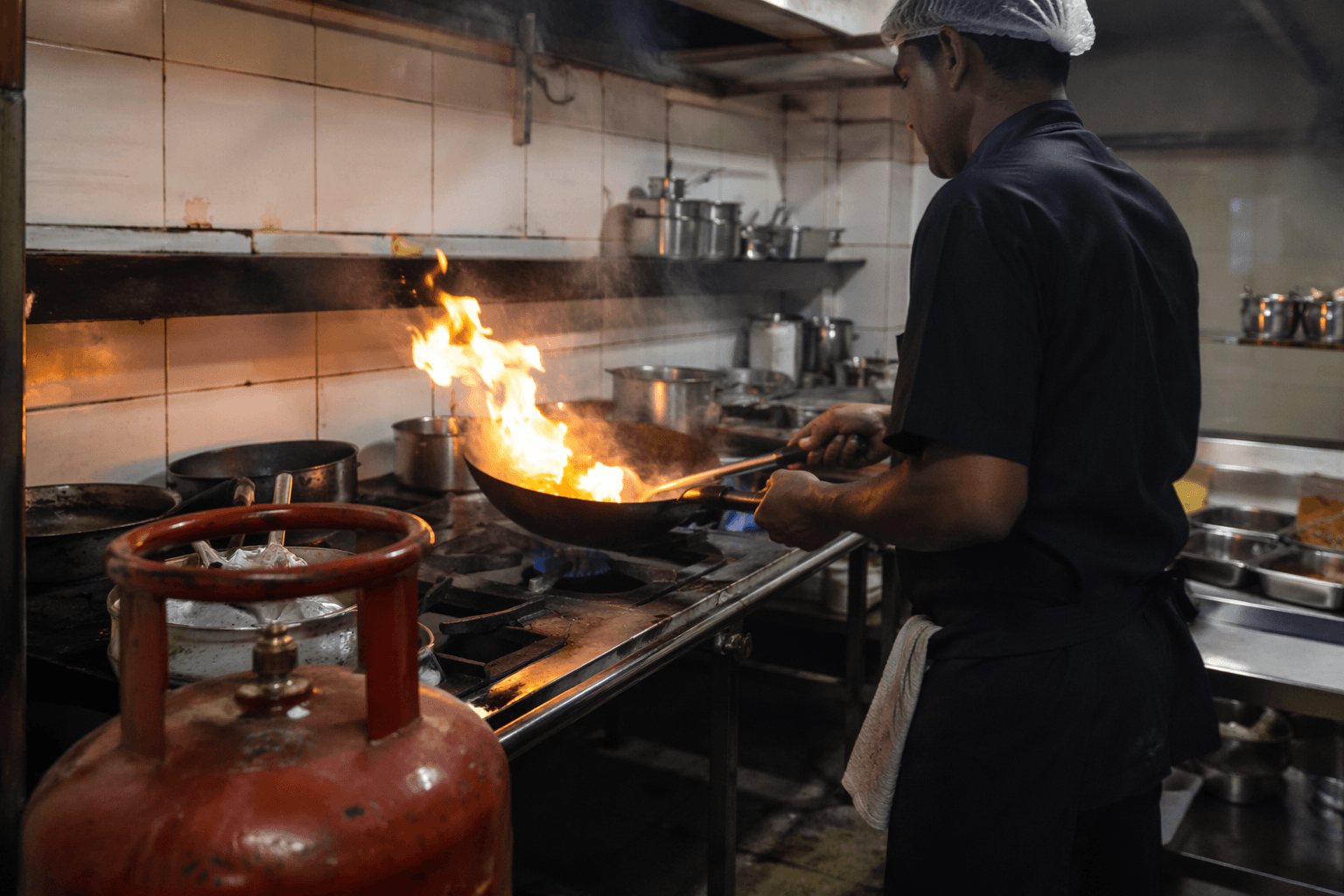
Restaurant managers must know child labor rules for teen workers
Teen hires are a compliance trap for restaurants: the wrong station or late-night shift can turn a first job into a labor-law violation.
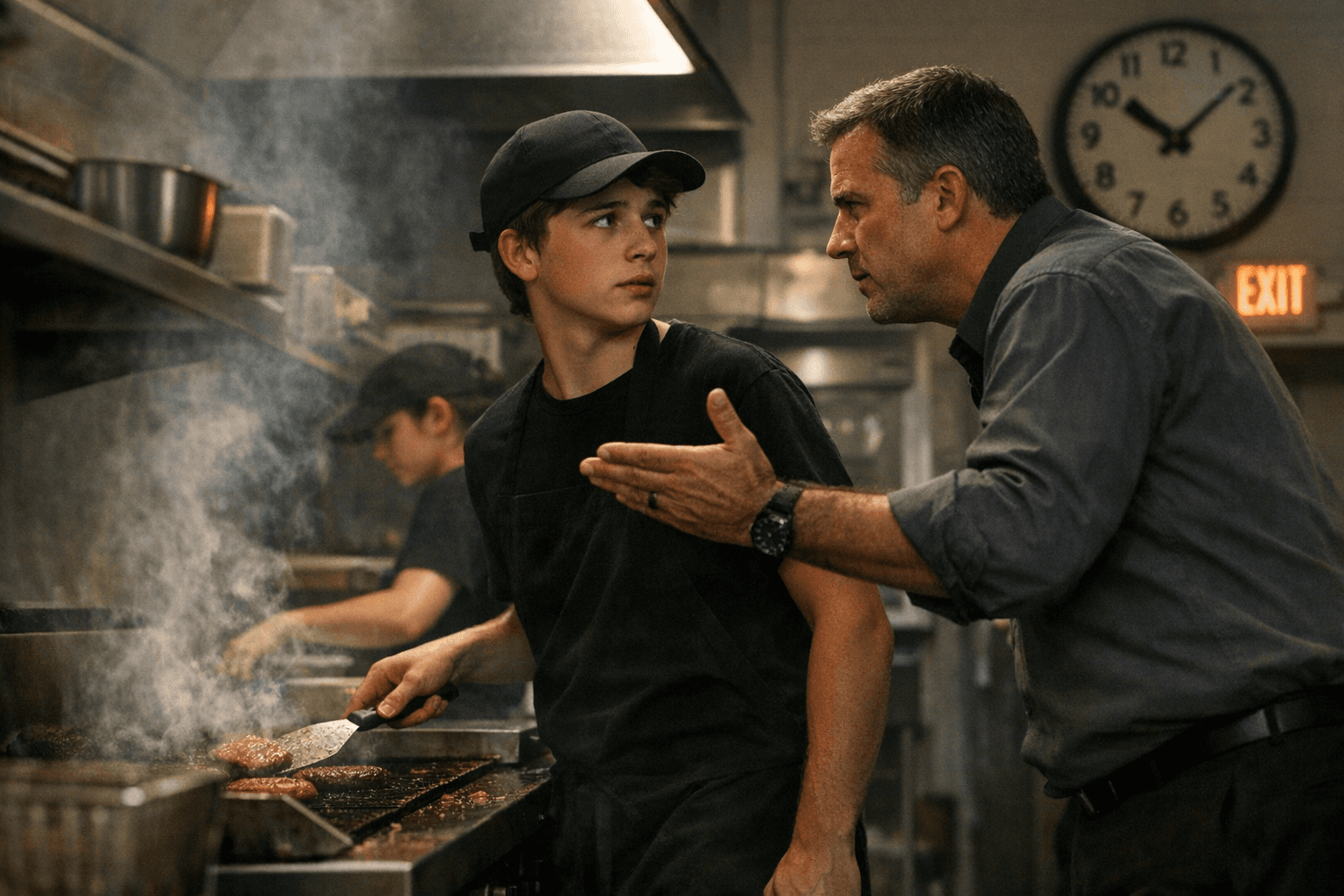
A dinner rush can turn into a legal problem fast when a 15-year-old is handed a slicer, kept past 9 p.m., or moved into a freezer run meant for an adult. In restaurants, the line between a routine favor and a child-labor violation is thinner than many managers realize.
The scale of the issue is bigger than a few summer hires. The Bureau of Labor Statistics said 21.1 million people ages 16 to 24 were employed in July 2025, and 25 percent of employed youth worked in leisure and hospitality, the largest share of any industry group. July is also typically the peak month for youth employment, which is why spring and summer hiring waves put restaurants in the center of child-labor enforcement.
What the rules mean on the floor
The Department of Labor’s restaurant guidance says 16- and 17-year-olds may work unlimited hours in nonhazardous jobs. That does not mean “do anything the shift needs.” Even under 18, workers cannot operate or clean certain power-driven meat-processing machines or certain bakery machines. If a station includes equipment that would make an adult manager think twice, it is worth assuming a teen may not belong there until the rule is checked.
For 14- and 15-year-olds, the limits are tighter and much easier to violate during a busy service. They may work only outside school hours, up to 3 hours on a school day, up to 18 hours in a school week, and until 7 p.m., except from June 1 through Labor Day, when they may work until 9 p.m. They are also barred from most cooking, work in freezers and meat coolers, and using power-driven food slicers, grinders, choppers and mixers. In a kitchen where everyone is moving quickly, those are exactly the kinds of duties that get assigned informally unless managers build the schedule around the rule.
A restaurant team should think of this as a station-by-station problem, not a paperwork problem. A teen host can be asked to help bus tables, a busser can be asked to run food, and a line can get short staffed in a rush. But a supervisor’s request does not make a task legal. If the work touches prohibited machinery, restricted temperatures, late-night hours or school-day limits, the answer has to be no.
The mistakes that trigger violations
The Department of Labor says common child-labor violations include working longer or later than legally allowed, driving a motor vehicle or forklift, using meat-processing machines and vertical dough or batter mixers, and doing jobs that are off-limits for the worker’s age. Those are the mistakes that tend to happen when a restaurant is under pressure, short-staffed or leaning on a new hire before the training is complete.
That is especially risky in restaurants, where shifts change by the minute and employees are expected to help wherever needed. A teen who came in as a part-time host can be pulled toward prep, dish, freezer stock or closing tasks if the manager is scrambling. In a high-turnover business, rushed onboarding is often where compliance breaks down, because no one stops to ask whether the “extra help” is actually allowed.
The safest practice is to lock in the teen’s duties before the first shift and keep the assignment narrow. If a manager would not want a labor inspector reading the task list aloud, the task probably needs a second look. The same goes for clock-out time, meal breaks and the temptation to let a young worker stay “just one more hour” to cover a gap.
Questions to ask before the first shift
Before a teen starts work, managers, parents and young workers should ask the same core questions:
- What is the worker’s exact age, and does state law add stricter limits than federal law?
- What exact tasks will be part of the shift, and which stations are off-limits?
- Will the worker ever touch power-driven slicers, grinders, choppers, mixers, meat-processing equipment or bakery machines?
- What time does the shift start and end on school days, and what changes during summer?
- Who is responsible for stopping the shift if the schedule runs long?
- Is anyone expected to drive, operate a forklift or do late-night closing work?
Those questions matter because restaurant work is built on quick handoffs. A manager may think a teen is “just helping out,” but if the help crosses a line, the restaurant owns the violation. Parents and workers should also keep the schedule in writing, because a verbal promise about hours is easy to forget once the rush starts.
Why managers should treat this as a training issue, not just compliance
The Labor Department says child-labor provisions exist so work does not jeopardize young people’s health, well-being or educational opportunities. It also says working youth are generally entitled to the same minimum wage and overtime protections as older adults. That makes teen hiring both a labor-rights issue and a training issue: a first job should teach service, punctuality and teamwork without putting the worker in a hazardous or illegal assignment.
The department also points employers to self-assessment tools, YouthRules.gov and state-law resources. That matters because federal rules are only the floor. If a state law is stricter, the restaurant has to follow that rule too. In practice, that means chain operators and independent owners alike need a written teen-worker policy that is checked against both federal and state requirements before the summer hiring rush begins.
What enforcement shows when restaurants miss the mark
Recent enforcement actions show how costly these mistakes can be. In November 2023, a McDonald’s franchise operator in western Pennsylvania paid $26,894 in penalties after employing 34 children too long and too late. In February 2024, a Michigan Popeyes franchise paid $48,000 after an investigation found teens working in violation of hour rules. In October 2024, a Kentucky restaurant chain agreed to pay $250,000 after investigators found a child under the legal working age and 37 other teens working too many hours, and the company also had to update child-labor training materials and train supervisors and managers.
The most recent case is a reminder that these are not old rules sitting on a shelf. In April 2026, the Labor Department said an Oregon Korean barbeque chain owed $96,985 in back wages and penalties after allowing a 15-year-old to work more than three hours on school days, past 9 p.m. between June 1 and Labor Day, and more than 40 hours in a workweek. That is the kind of violation that can start with a simple scheduling mistake and end with back wages, penalties and a public record that follows the operator far beyond one season.
For restaurant managers, the practical lesson is straightforward: build teen hiring around the rule, not around the rush. A first job should help a young worker learn the trade, not put the restaurant on the wrong side of wage-and-hour enforcement before the summer even gets started.
This article was produced by Prism’s automated news system from verified source data, official records, and press releases, then run through automated quality and moderation checks before publishing. The system is built and supervised by the people who set the standards it runs under. Read our full AI policy.
Did this article answer your question?