Restaurants Embrace Mental Health Benefits as Burnout and Retention Pressures Rise
Burnout is now a staffing problem in restaurants, and mental-health benefits are becoming a retention tool, not a perk.

Why mental health is now an operations issue
A restaurant shift can unravel fast when one person is struggling. A missed opener means a late brunch line, a frazzled host stand, or a bartender covering two wells at once, and that kind of strain does not stay personal for long. It shows up in absenteeism, turnover, tense service, and the kind of rushed mistakes that diners remember and managers pay for.
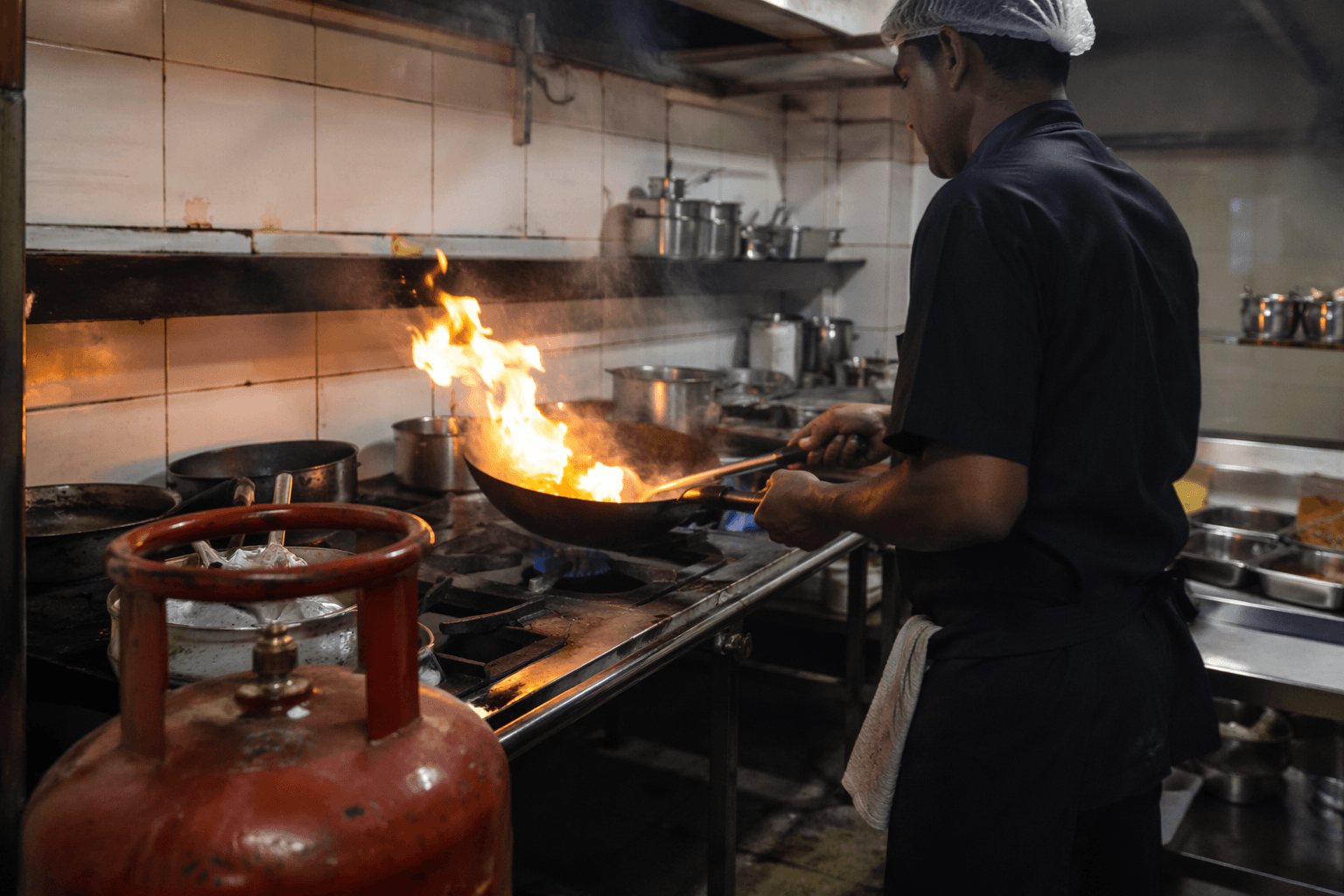
That is why mental health has moved from a private concern to a workplace issue in restaurants. The industry runs on nights, weekends, emotional labor, and fast pacing, with thin staffing and little margin for error. Those conditions do not just wear people down; they create the kind of pressure that can push workers to call out, quit, fight with coworkers, or lean on unhealthy coping habits.
The numbers behind the stress
The broader labor data is stark. The American Psychological Association’s 2023 Stress in America survey found that 50% of adults ages 18 to 34 reported a mental illness, a reminder that younger workers are arriving in the labor market with significant mental-health needs. The survey was conducted online Aug. 4-26, 2023, among 3,185 U.S. adults, which gives the finding weight, not just anecdote.
Federal safety officials have also treated stress as a real workplace hazard. The Occupational Safety and Health Administration says workplace stress has been reported to cause about 120,000 deaths in the United States each year, and that roughly 65% of U.S. workers surveyed from 2019 to 2021 described work as a very significant or somewhat significant source of stress. In restaurants, where schedules swing late, breaks can be short, and every rush is visible to the whole room, those pressures can hit harder.
Why restaurants are especially vulnerable
Restaurants have long been exposed to stress, substance use, and burnout. Peer-reviewed research on bartenders and servers found surprisingly high rates of alcohol problem severity during COVID-era research, and earlier studies of young adult restaurant workers found extremely high rates of alcohol misuse. Those studies also pointed to the way workplace culture and easy access can normalize drinking after work, which matters in a business where the line between shift end and social time can be thin.
Another study linked restaurant employees’ mental health, substance use, and career turnover intentions during the pandemic. That connection is important because the operational cost of one person leaving is not abstract. Hospitality research shows high turnover is expensive because of lost productivity, recruitment, selection, and training costs. In a restaurant, turnover also means more in-the-moment service failures, more pressure on the people who stay, and more chances that the guest experience slips.
How the benefit standard has changed
Mental health benefits used to be rare in the restaurant business. Only a few brands were offering them in the late 2010s, which shows how recently this became a mainstream management issue. The pandemic accelerated interest, but younger workers also pushed the conversation forward by expecting more than just wages and shift meals from an employer.
Chipotle is one of the clearest examples of that shift. In a January 24, 2024 announcement, the company said it was prioritizing financial and mental health benefits for its growing Gen Z workforce, while also hiring 19,000 additional employees for its busy March-to-May burrito season. Its careers site now says crew members across more than 3,200 restaurants get whole wellness benefits, including mental health support.
Starbucks has also made mental-health access part of its job pitch. Its careers site says employees receive mental-health resources that include 20 therapy sessions a year and free access to Headspace. For a large restaurant brand, that does more than add a perk. It signals that therapy access is becoming normalized as part of a standard job, not treated as an exceptional benefit.
What managers can do without a big spend
The most useful changes are often operational, not flashy. Benefits matter, but so do the day-to-day systems that keep stress from turning into missed shifts or blowups on the floor. Managers do not need to solve every worker’s life outside the restaurant; they do need to stop making a hard job harder.
A practical approach usually starts with a few low-cost moves:
- Make it normal to ask for help before a problem becomes a no-show or a resignation.
- Tell staff clearly how employee assistance programs, therapy access, or counselor sessions work, if they are available.
- Train managers to treat burnout as a scheduling and culture problem, not a personal failing.
- Make time-off and coverage rules easy to use when someone is struggling, so a worker does not have to fight for basic support.
- Watch for patterns in call-outs, conflicts, and drink-after-shift culture, because those are often the first operational signs that stress is spreading.
Those steps do not eliminate the pressures of a dinner rush, but they can reduce the churn that eats into labor budgets and service quality.
What workers should ask before taking the job
If you are interviewing, mental-health benefits are worth asking about directly. The important questions are not only whether therapy access exists, but whether there is an employee assistance program, how time off works during a rough patch, and whether the schedule culture allows people to actually use the support without getting punished on future shifts.
That matters especially in restaurants that rely on younger staff, where mental-health need is already high and the work itself can be isolating. A job that looks fine on paper can become untenable if the pace is brutal, the staffing is thin, and the only coping strategy is to tough it out. The better operators are starting to see that supporting mental health is not charity. It is how they keep sections filled, service steady, and teams intact.
This article was produced by Prism’s automated news system from verified source data, official records, and press releases, then run through automated quality and moderation checks before publishing. The system is built and supervised by the people who set the standards it runs under. Read our full AI policy.
Did this article answer your question?