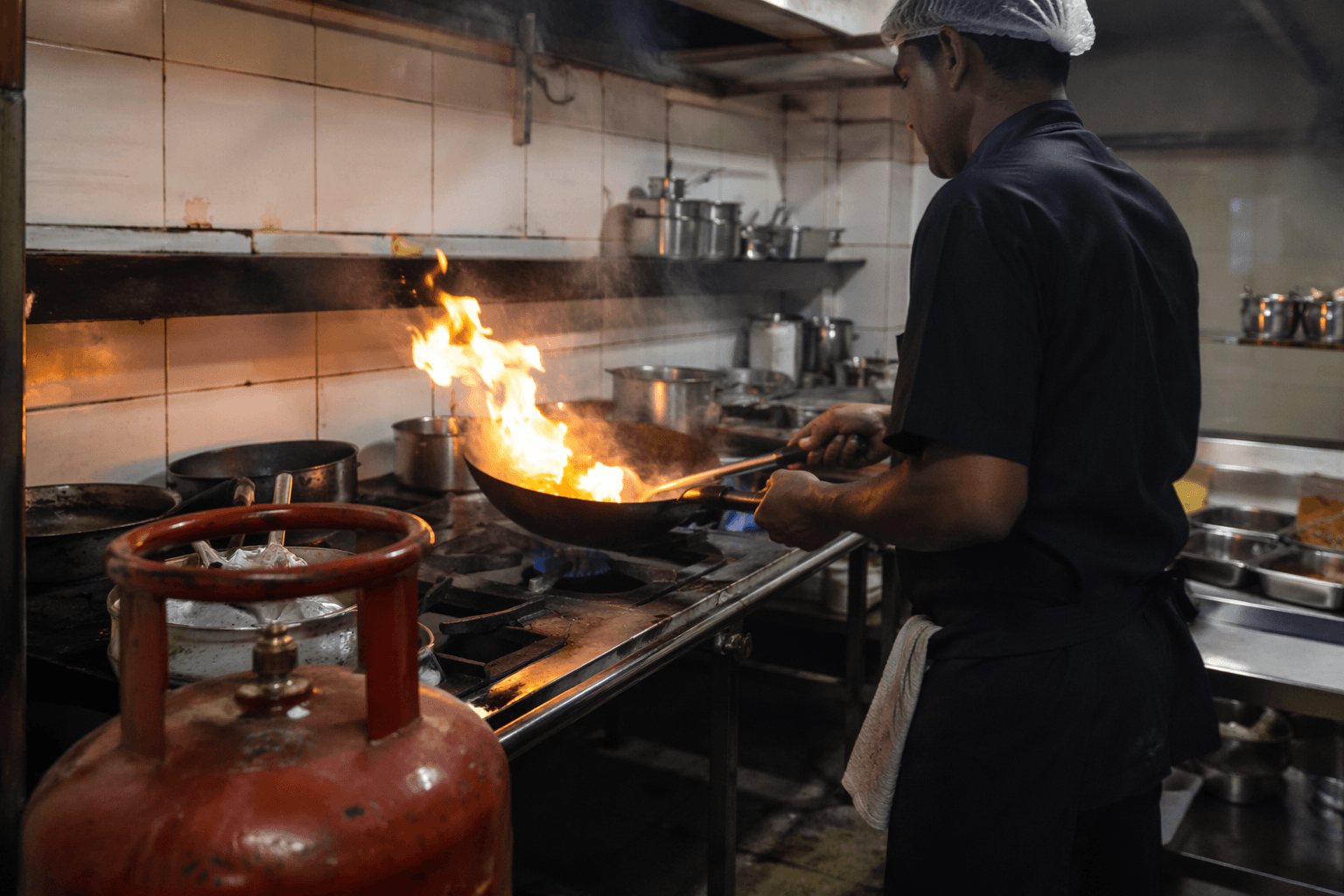
Restaurants race to adopt AI tools for hiring and retention
Restaurant hiring is moving from paper to software, with 37% of operators planning automated labor tools and some chains cutting hiring time to 24 hours.
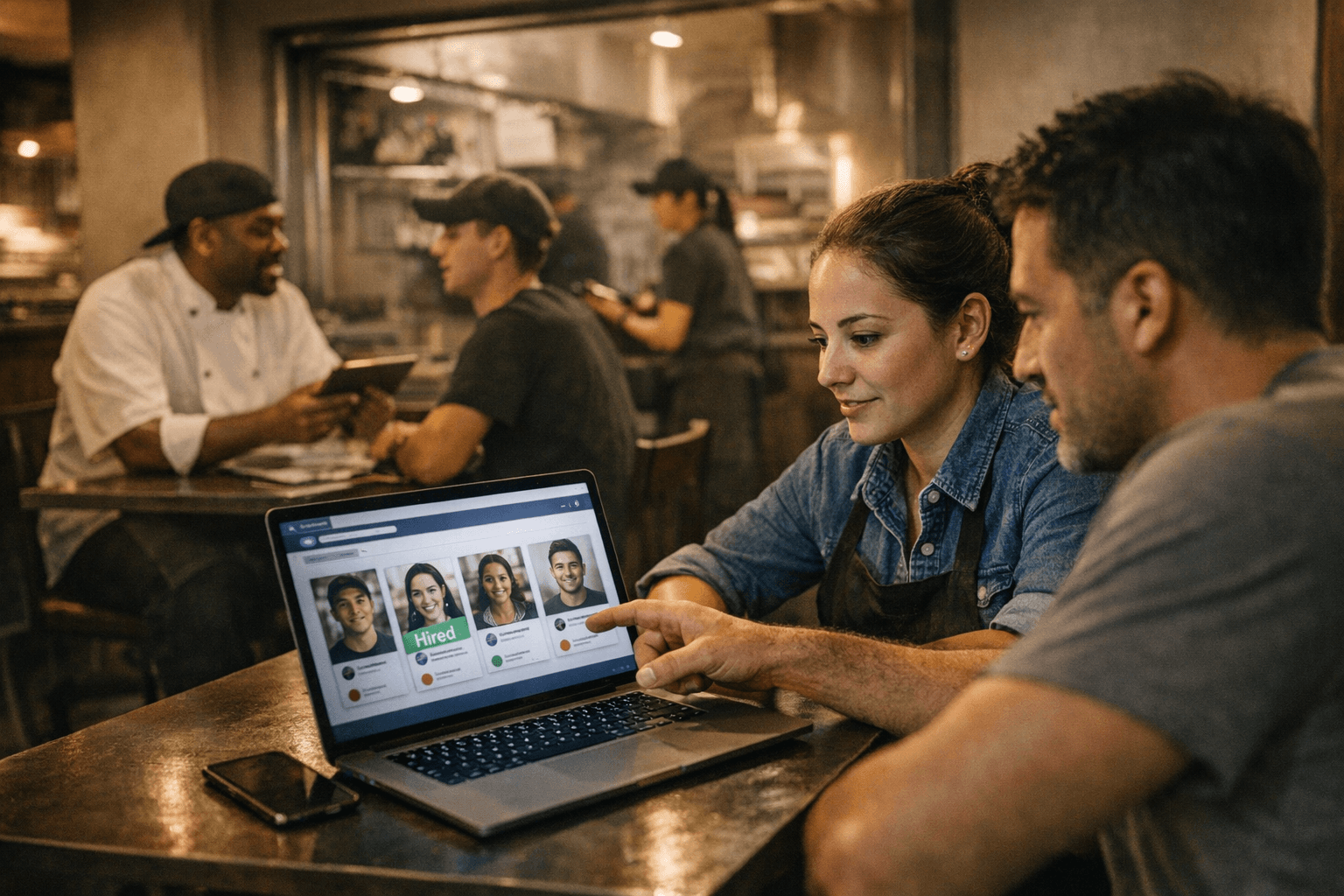
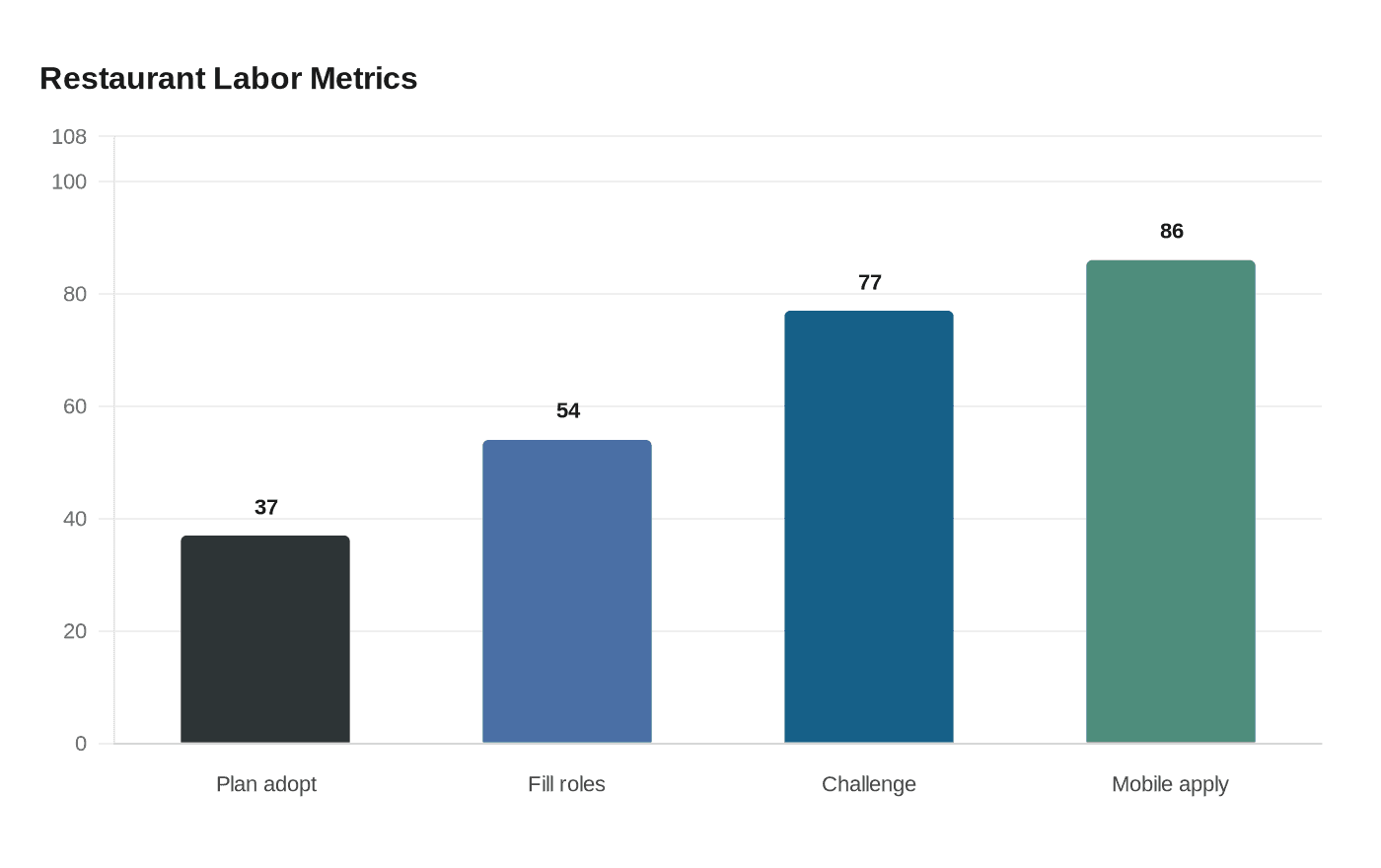
About 37% of restaurant operators plan to adopt automated labor management and recruitment systems, a shift that could turn a two-week hiring slog into same-day staffing. In the National Restaurant Association’s Workforce Technology report, more than 80% of operators said technology gives them a competitive advantage, and the group said applicant tracking systems, chatbots and automated scheduling tools can shorten hiring timelines while freeing managers to focus on operations and employee engagement.
The fastest gains are already showing up on the floor. Southern Rock Restaurants, a McAlister’s Deli franchisee, said technology cut hiring time from an average of 14 days under manual recruiting to as little as 24 hours. The company said 86% of applicants applied on mobile devices, most of them outside business hours, which explains why QR codes and text-to-apply tools are spreading through stores. Southern Rock also used QR codes for employee referral bonuses, a sign that restaurants are leaning on current staff to bring in new hires when every empty shift matters.
That matters because the bottleneck is not just at the counter. The association said 54% of operators still struggle to fill management and back-of-house positions, and it has pointed to the first 30 to 90 days as the make-or-break window for retention. Structured onboarding, employee-engagement programs, leadership training, clear expectations, mentorship and career-growth opportunities are the main fixes operators are reaching for. Chipotle’s Burrito Buddy pairs new workers with experienced partners during the first 90 days, while Potbelly’s Potbelly Pulse is designed to gather feedback and flag problems before they become resignations.
The promise for workers is clearer scheduling, quicker onboarding and less time waiting to hear back after applying. The risk is that the same systems can bring more digital tracking and more automated decision-making about shifts, attendance and performance. For cooks, servers and hosts already dealing with burnout, tip stress and constant staffing churn, software that flags no-show risk may feel less like support and more like surveillance if managers use it as a blunt instrument.
The broader labor picture explains why restaurants are moving so quickly. The association said recruitment and retention remained a significant challenge for 77% of operators in its 2025 State of the Restaurant Industry report. It also projects the restaurant and foodservice industry will add about 150,000 jobs a year from 2025 to 2035, reaching 17.4 million total jobs. The Bureau of Labor Statistics tracks openings, hires and separations in accommodation and food services as a key measure of churn, a reminder that the industry’s labor problem is still measured one shift, one hire and one quit at a time.
This article was produced by Prism’s automated news system from verified source data, official records, and press releases, then run through automated quality and moderation checks before publishing. The system is built and supervised by the people who set the standards it runs under. Read our full AI policy.
Did this article answer your question?