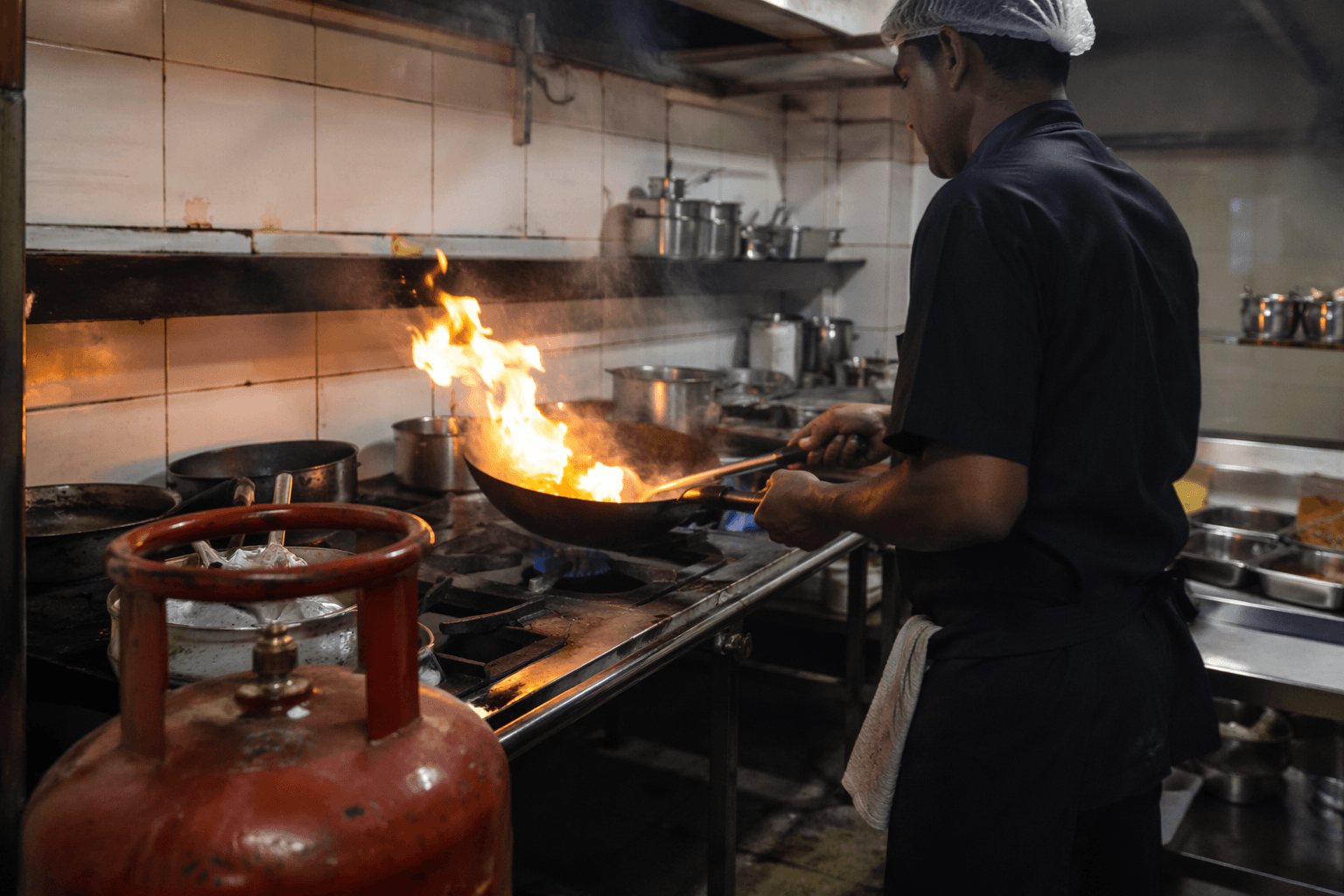
Restaurants turn to second-chance hiring to fill stubborn staffing gaps
Restaurants are finding that second-chance hiring can do more than burnish a brand: it can fill prep, dish, and line gaps if managers build real support around the hire.
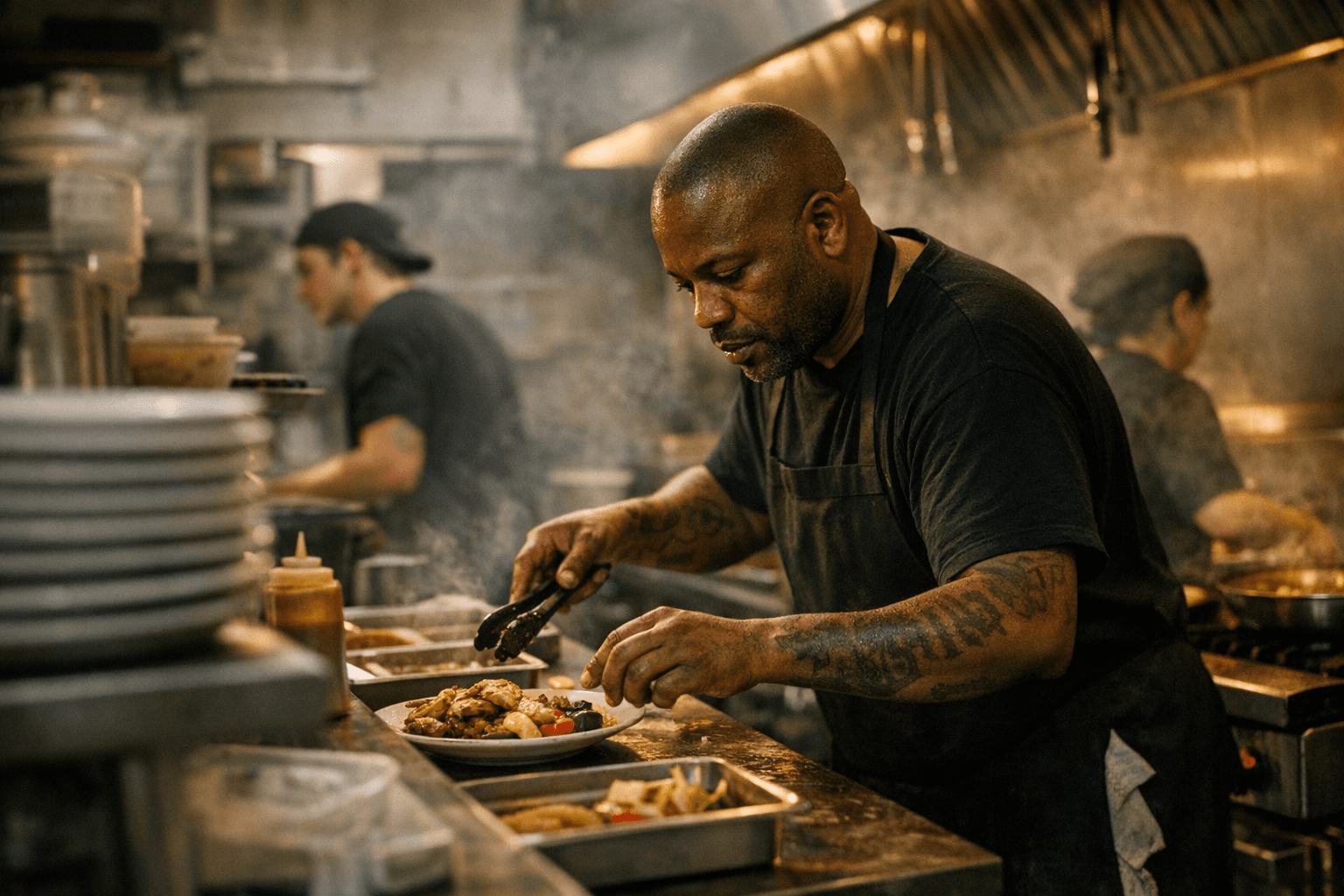
A missing prep cook does not stay missing for long inside a restaurant. The dish pit backs up, the line slips, and the same core crew gets asked to carry another rushed shift, another double, another weekend with no relief. That is why second-chance hiring is showing up less as a feel-good promise and more as a staffing tactic that operators are testing against the hardest jobs to fill.
Why restaurants are looking at this pool now
Nancy Yaffe’s column on the subject makes the basic business case: restaurants still need people, and some of the best candidates may be getting screened out too early. The National Restaurant Association said eating and drinking places in March 2026 stood 76,800 jobs, or 0.6%, above the February 2020 employment peak, but growth had slowed. Its 2026 industry outlook still projected more than 100,000 jobs added in 2026, a reminder that the labor squeeze never really went away.
That matters on the restaurant floor because chronic understaffing is not abstract. When a prep station, dishwasher sink, or line shift stays uncovered, the pressure does not disappear. It lands on the people already inside the building, which is how burnout, call-outs, and turnover become part of the same cycle.
A hiring model shaped by local law, not just company policy
Second-chance hiring only works cleanly when managers understand the rules in each market. The National Employment Law Project says 37 states and more than 150 cities and counties have adopted ban-the-box or fair-chance hiring policies. A separate NELP guide says 15 states require private employers to remove conviction-history questions from applications, and fair-chance policies typically push conviction and arrest questions out of the initial application and delay background checks until later in hiring.
For multi-unit operators, that patchwork creates real compliance risk. A one-size-fits-all application can work in one city and create problems in another, especially when franchisees are hiring line-level workers and may be tempted to use the same form everywhere. Many employers do not run background checks for those roles at all because the screening can be costly and cumbersome, particularly for smaller operators, but that is not the same as having a clear, lawful process.
The talent pool is larger than many operators think
The scale of the opportunity is hard to ignore. SHRM says more than 600,000 people are released from prison each year, and the unemployment rate among formerly incarcerated people is five times higher than the general population. That is not just a social issue. It is a labor-market signal, pointing to a large group of people who are trying to re-enter work and often have a harder time getting past the first screen than doing the job itself.
SHRM also says 82% of Americans would feel comfortable patronizing a business that hires people with criminal records. That helps explain why some operators now treat second-chance hiring as part of the brand, not just a back-office recruiting move. Restaurant Business Online reported in 2022 that operators praised ex-offender hiring programs for easing labor shortages and giving workers trade skills, which is exactly the kind of combination restaurants need when they are trying to stabilize front-of-house and back-of-house staffing at the same time.
What makes the model work on the ground
The hiring itself is only the first step. The restaurants that get better results are the ones that pair second-chance hiring with real structure: clear onboarding, job-specific training, manager buy-in, and schedules that workers can actually plan around. That is especially true in an industry where transportation, child care, and unpredictable shifts can determine whether a new hire sticks long enough to matter.
The National Restaurant Association Educational Foundation has already put money behind that logic. In 2019, it won a $4.5 million U.S. Department of Labor grant to train justice-involved people for restaurant jobs. It later added a $4 million grant for HOPES, a program that uses the NRAEF’s Restaurant Ready framework and works with people in correctional facilities, on parole or probation, or with former justice involvement.
HOPES has also grown beyond a pilot idea. By one later account, it expanded from three states to seven, Massachusetts, Illinois, Virginia, Delaware, Michigan, Ohio and Texas, and enrolled nearly 800 participants. That kind of scale suggests operators are not just experimenting with a charitable project. They are building a pipeline that can feed actual restaurant jobs.
Where second-chance hiring breaks down
The model fails when restaurants treat it like a shortcut. If managers do not match the role to the person, rush the onboarding, or assume goodwill can replace training, the hire can wash out just as quickly as anyone else in a high-turnover job. The same goes for predictable scheduling and transportation support: without them, a promising candidate can become another empty apron on the schedule.
It also fails when leadership wants the labor benefits without changing the process. A fair-chance policy can remove some barriers, but it does not automatically create trust, retention, or team stability. If a restaurant is always short-staffed, then adding people without fixing the way shifts are assigned, managers are trained, and workers are supported only patches the hole for a week or two.
What restaurant managers should take from it
Second-chance hiring is not a substitute for decent staffing strategy, but it is one of the few tools that speaks to both labor scarcity and turnover at the same time. It widens the pool, can bring in workers who already have skills, and may reduce the strain on the people who keep getting asked to cover the gaps.
For restaurant managers, the lesson is plain: hire for the job, build a process that fits the law in each location, and back the hire with training and stability. For workers already carrying the load, that is the difference between another short-handed shift and a team that can finally hold together.
This article was produced by Prism’s automated news system from verified source data, official records, and press releases, then run through automated quality and moderation checks before publishing. The system is built and supervised by the people who set the standards it runs under. Read our full AI policy.
Did this article answer your question?