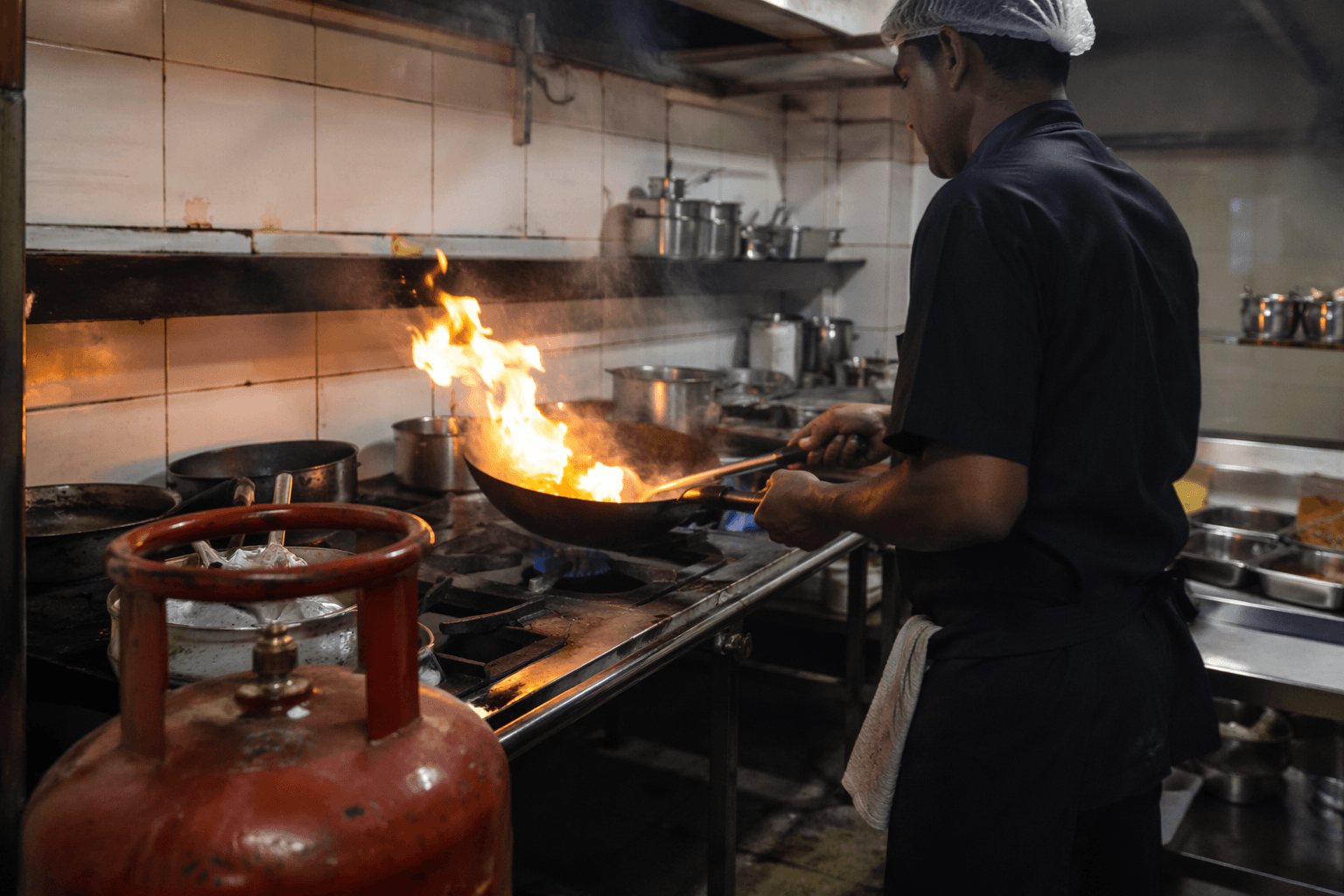
ServSafe Alcohol training helps restaurants handle difficult guests safely
When a table turns combative or overserved, ServSafe Alcohol gives staff a playbook for cutting service safely. For managers, it also lowers risk, inconsistency, and liability.
What ServSafe Alcohol is built to prevent
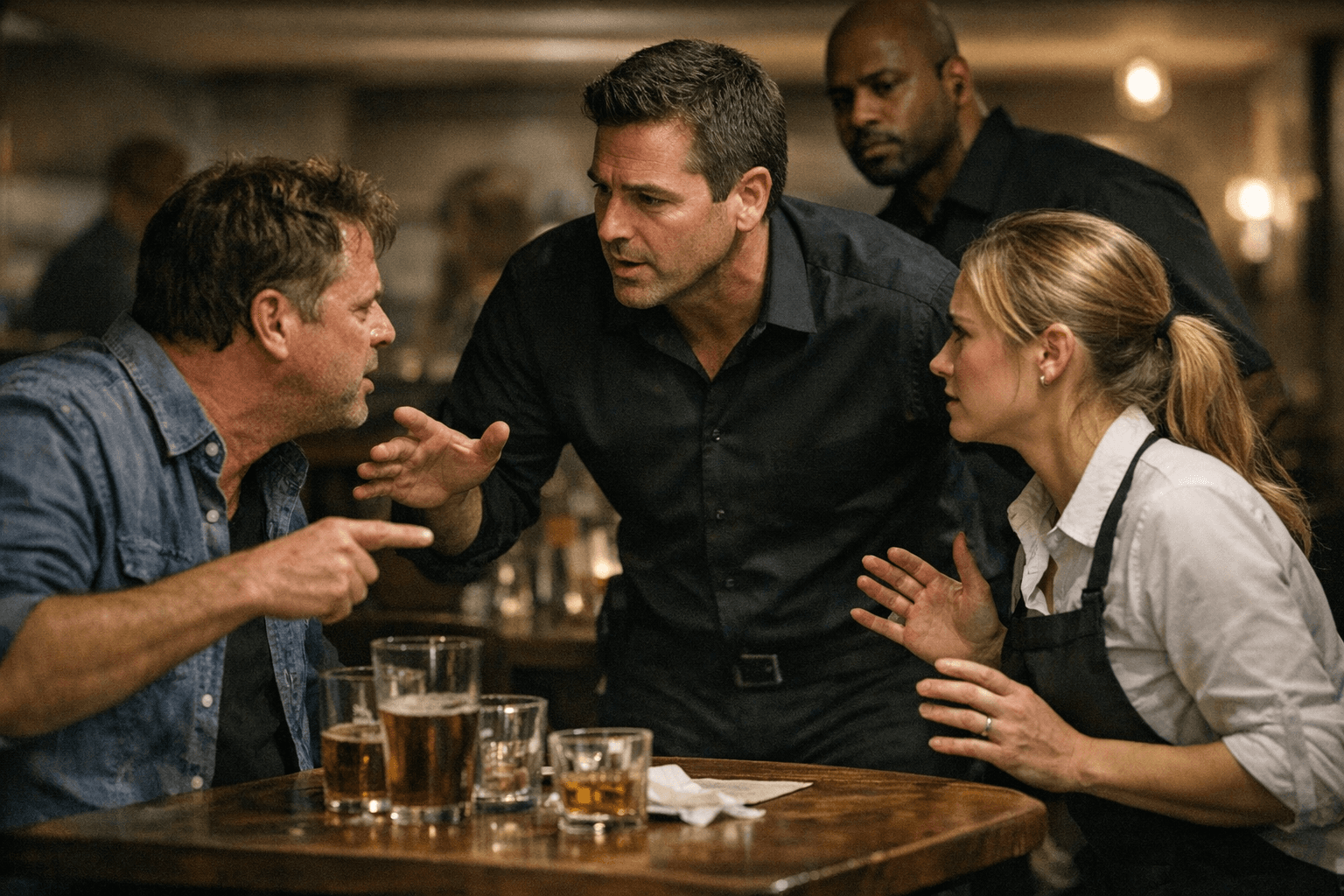
The hardest moments in a restaurant are rarely the easy ones: the guest who keeps pushing for one more round, the table that ignores a wristband policy, the regular who starts getting louder, or the bartender who has to say no without setting off the room. ServSafe Alcohol is aimed squarely at those moments, teaching bartenders, servers, hosts, bussers, valets, and bouncers how to understand alcohol laws and responsibilities, evaluate intoxication levels, check identification, and deal with difficult situations.
That matters because the consequences of getting it wrong are not abstract. Alcohol service errors can lead to fines, imprisonment, a lost liquor license, higher insurance costs, and even business closure. For the people working the floor, the value is immediate: a server or bartender who knows how to ID properly and cut someone off respectfully is less likely to be left handling a tense interaction alone, without a clear standard or managerial backup.
Why the training belongs on the floor, not just behind the bar
Alcohol problems in restaurants usually start small. A guest gets impatient, a server feels pressure to keep the check growing, or a manager is short-staffed and tempted to let a borderline situation slide. ServSafe Alcohol is designed to give front-of-house workers a shared response before those small moments become a fight, a complaint, or a police call.
That shared response matters in real operations because restaurant teams are mixed. New hires, veterans, hosts, bartenders, and runners may all have different instincts about when to refuse service or how to handle someone who is impaired. A standardized course gives managers one baseline instead of relying on whatever a senior bartender remembers from years ago, and that consistency is one of the clearest operational gains.
What staff learn
The program centers on the practical skills that decide whether a shift stays under control:
- how to check identification
- how to recognize intoxication levels
- how to understand alcohol laws and responsibilities
- how to handle difficult situations without escalating them
That mix is useful because alcohol service problems are rarely just legal problems. They are also customer-service problems, staffing problems, and safety problems, especially in places where a host, server, or valet may be the first person to spot a guest who is already too far gone to be served another drink.
How the format fits restaurant life
ServSafe Alcohol is not packaged like a long academic program that is hard to fit around service. It is available in classroom and online formats, and the classroom option comes in English and Spanish. The online course is in English, is mobile-enabled, and is designed to take about four hours, which makes it easier to fit into restaurant schedules than a training that requires a full day away from the floor.
The course also uses interactive exercises, audio, video, and role-play activities. That is not decorative. In a restaurant, the hard part is not memorizing a policy; it is saying the right thing under pressure, in front of coworkers and guests, without making the room worse. The role-play approach is meant to prepare staff for exactly that kind of live interaction.
Exam options
After training, ServSafe Alcohol students can take either the Primary Exam or the Advanced Proctored Exam. That flexibility gives operators room to match the exam to the training path they choose, instead of forcing every worker into the same format regardless of experience level or job title.
ServSafe says the program is administered by the National Restaurant Association and is built to keep up with changing state regulatory requirements. For operators, that matters because alcohol service rules are not one-size-fits-all, and a certificate that works in one market may not satisfy every local demand.
State rules still control the real-world answer
A ServSafe Alcohol certificate is useful, but it is not always the whole story. Some states require additional alcohol training, licensing, or other state-specific requirements, and those rules can come with extra fees. That means managers cannot treat a single certificate as a universal shield, especially when compliance is tied to local approval or state registration.
California makes that especially clear. The California Department of Alcoholic Beverage Control says its Responsible Beverage Service training is meant to help servers responsibly serve alcohol for on-premises consumption and mitigate alcohol-related harm in California communities. Its portal says servers become certified by registering with the agency, taking training from an authorized provider, and passing the ABC Alcohol Server Certification Exam.
New York takes a similar but distinct approach. The New York State Liquor Authority recommends that all licensees and employees who serve or sell alcohol take an Alcohol Training Awareness Program, and it says proof of training may reduce a penalty if the authority charges a violation. For restaurants, that is less about paperwork and more about proving that management took prevention seriously before a problem reached the enforcement stage.
Why the risk is bigger than one bad night
Alcohol service training exists because the cost of failure is measured in injuries, crashes, and enforcement actions, not just awkward conversations. The Centers for Disease Control and Prevention reported 13,524 alcohol-impaired-driving crash deaths in the United States in 2022, and said those deaths accounted for 32 percent of all traffic-related deaths. The National Highway Traffic Safety Administration reported 11,904 alcohol-impaired-driving traffic deaths in 2024.
Those numbers sit behind every decision to cut someone off, stop a sale, or call for help. Responsible beverage service training is meant to reduce underage sales, overservice, and impaired driving, and research has linked strong dram shop liability, responsible beverage service training, and state alcohol control laws with lower underage drinking-and-driving fatal crashes. That is a direct operational lesson for restaurants: the front-of-house call you make at 10:40 p.m. can affect what happens after the guest leaves the building.
What enforcement looks like when the system fails
California’s enforcement actions show how quickly a service mistake can become a business problem. The California ABC announced a 2026 suspension for a restaurant in Escalon after a trace investigation into furnishing alcohol to teens involved in a fight. That kind of case is exactly why training cannot be treated as a checkbox.
For managers, the takeaway is blunt. A line cook does not need to know every clause in the alcohol code, but the people who greet guests, pour drinks, and decide whether service continues do need a practiced response. Training gives them language, confidence, and a standard to lean on when the guest is loud, the table is already over the limit, and the safest move is also the one that protects the license, the staff, and the next shift.
This article was produced by Prism’s automated news system from verified source data, official records, and press releases, then run through automated quality and moderation checks before publishing. The system is built and supervised by the people who set the standards it runs under. Read our full AI policy.
Did this article answer your question?