Texas Applebee’s franchisees sue over co-branded IHOP expansion rights
Texas Applebee’s franchisees say Dine Brands crossed exclusivity lines by pushing more IHOP co-brands into their territory, putting store growth and hours on the line.
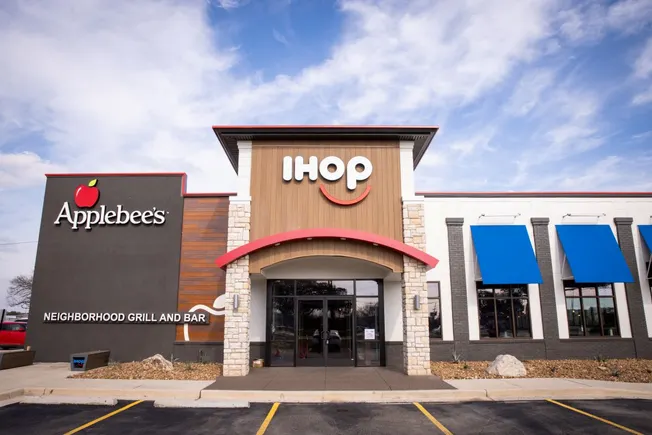
The same kitchen that can serve pancakes and burgers is now at the center of a fight over who gets the next opening, the next manager promotion and the next set of shifts. Texas Applebee’s franchisees have sued Dine Brands Global over co-branded IHOP expansion rights, arguing the company pushed dual-brand growth into territory they say is protected by exclusivity agreements.
The dispute goes straight to the floor. Co-branded stores change how many people are needed on a shift, how menus are trained, how prep work is organized and how fast new jobs appear in a market. If a planned restaurant is delayed or blocked, that can mean fewer host, server, cook and shift-leader openings, fewer transfer chances for existing managers and a more uncertain path for workers trying to move up. Plaintiffs are asking for an injunction that would bar Applebee’s from developing new restaurants, including dual-branded units, in areas where they say they hold exclusivity.
The lawsuit was filed in federal court in Kansas in March 2026 and amended in April 2026. Coverage identified the plaintiffs as Apple Texas Restaurants and Apple Houston Restaurants, with some reports also naming Apple Cal and Apple Vir. Those entities are subsidiaries of SSCP Management, and together they operate about 70 restaurants. The suit says Dine Brands broke development exclusivity agreements when it added Applebee’s to existing IHOP locations and moved ahead with co-branded units in Texas.
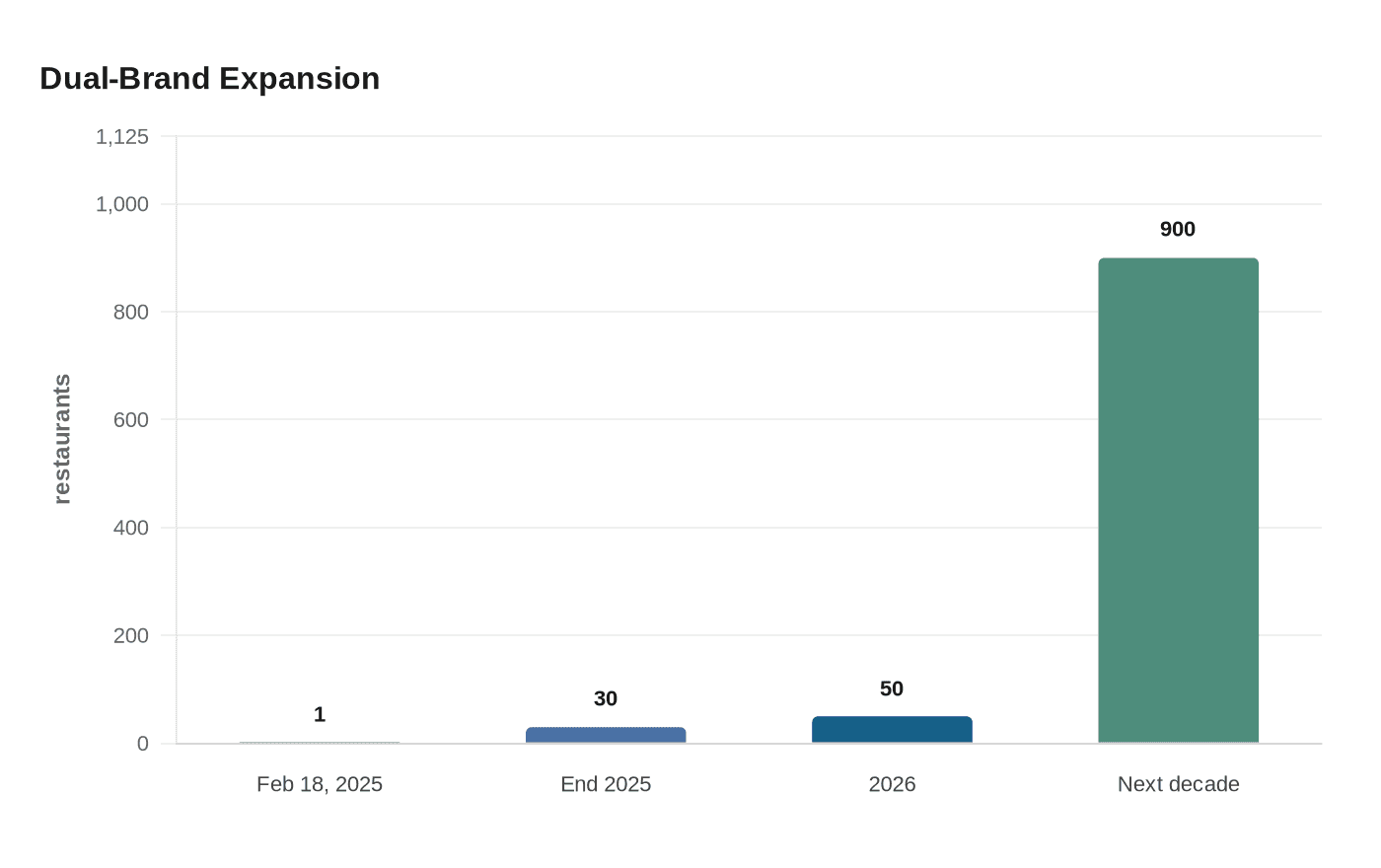
That matters because the rollout is not theoretical. The first U.S. dual-branded Applebee’s and IHOP opened in Seguin, Texas, on February 18, 2025, and Dine Brands said it expected about 30 dual-branded U.S. restaurants open or under construction by the end of 2025, another 50 in 2026, and roughly 900 over the next decade. The company has described the concept as a core growth engine, and it has also expanded the format internationally, including into Costa Rica.
In Texas, the contested map includes an open dual-branded restaurant in Euless and proposed sites in Chambers, Tarrant and Dallas counties, with additional planned locations mentioned in coverage in Anahuac and Lancaster. At least four other co-branded stores are slated to open within the franchisees’ territories, according to coverage. For restaurant workers, the outcome will shape more than a legal boundary. It will help decide whether these stores become steady sources of hours and advancement, or another case of growth plans colliding with franchise economics and leaving workers to absorb the disruption.
Know something we missed? Have a correction or additional information?
Submit a Tip