Texas barbecue restaurants raise prices as brisket costs soar
Brisket costs, labor pain and traffic declines are forcing Texas barbecue operators to raise prices, shrink menus and rethink staffing just to stay open.
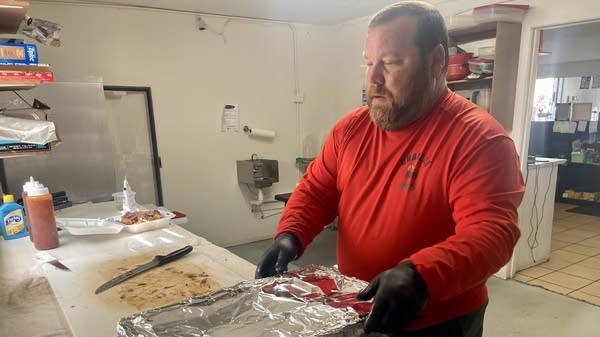
Texas barbecue operators are raising prices, trimming portions and rewriting menus to keep doors open as brisket gets more expensive and the labor squeeze tightens. Some pitmasters have already turned brisket trim into dirty rice, a move that lowers food costs while giving barbecue menus a cheaper side dish that still sells in a Texas market built on beef.
The pressure starts at the cattle market. The USDA’s April 16, 2025 outlook projected 2025 beef production at 26.7 billion pounds, while also raising its price forecast for slaughter steers to $205.51 per hundredweight and feeder steers to $281.03 per hundredweight. That reflects a national herd that has fallen to its smallest size since 1951, a drop driven by drought, rising operating costs and consolidation in the industry.
For restaurants, the result is a brutal chain reaction. Higher cattle costs push up brisket prices, which then force owners to decide what gets cut first: hours, headcount, menu size or expansion plans. In barbecue kitchens, where labor is already hard to hold and production depends on long smoke times and steady prep, the pressure hits every shift. Operators are changing labor models, too, using smaller staffs, tighter prep schedules and more limited menus to protect margins.
The strain is not limited to the meat case. Houston restaurant owners have pointed to food, labor, rent, insurance, credit card fees and tariffs as major costs, and rising real estate and property expenses are hitting some barbecue markets as well. The Texas Restaurant Association said 38% of its members saw a slight decrease in traffic in the first quarter versus the previous quarter, while 4% saw a significant decrease.
The beef supply chain is also being hit upstream. In January 2025, the Texas Tribune reported that cattle imports from Mexico had been cut off in November because of a screwworm threat, a move that worried ranchers and state agriculture officials about the effect on beef producers and consumers. Texas Agriculture Commissioner Sid Miller was among those raising concerns about the economic fallout.
For barbecue operators, the survival playbook is becoming clear: raise prices where the market can bear it, cut menu complexity, squeeze waste out of the pit, and use every trim and byproduct that can be turned into a dish with a margin. In a state where beef is culture and barbecue is identity, staying open now depends on whether the next rib rack, brisket tray or lunch special can cover the cost of the one before it.
This article was produced by Prism’s automated news system from verified source data, official records, and press releases, then run through automated quality and moderation checks before publishing. The system is built and supervised by the people who set the standards it runs under. Read our full AI policy.
Know something we missed? Have a correction or additional information?
Submit a Tip