The Meatball Shop Closes After 16 Years, Ending a New York Era
The Meatball Shop's last location closed in Hell's Kitchen, ending a brand that once pulled $3.5M per unit annually across eight New York-area locations.
When Daniel Holzman and Michael Chernow opened a meatball counter at 84 Stanton Street on the Lower East Side in 2010, they had roughly $400,000 in raised capital and a deceptively simple pitch: mix-and-match meatballs, seasonal vegetables, handmade ice cream sandwiches, craft cocktails. Sixteen years later, the final Meatball Shop, at 798 9th Avenue in Hell's Kitchen, has permanently closed. The brand's only public statement was brief: "After many great years, The Meatball Shop has closed its doors."
At its peak, the concept ran eight locations across New York City, Washington D.C., and Connecticut, with each restaurant averaging roughly $3.5 million in annual gross sales. The math looked durable. It wasn't.
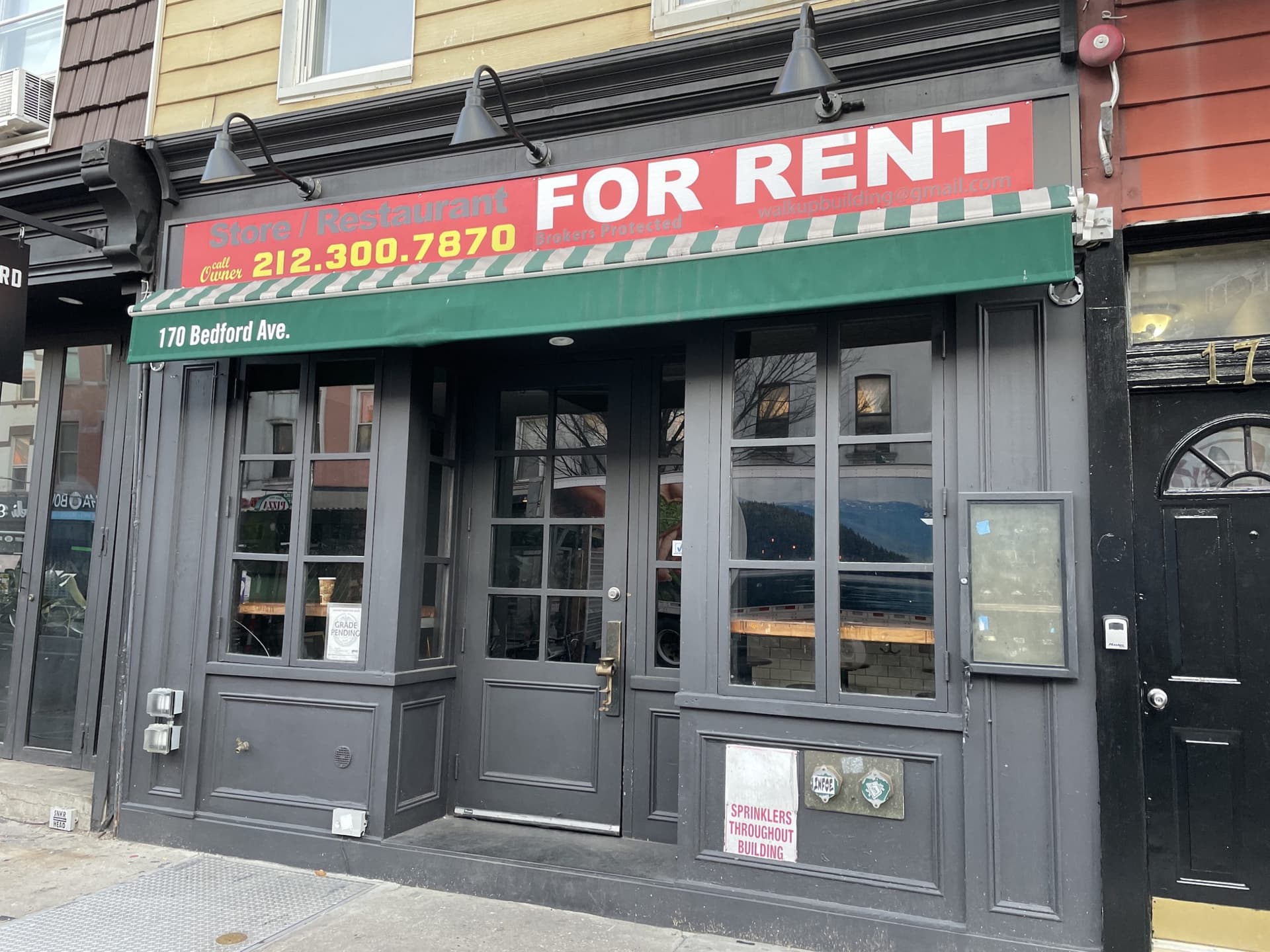
The collapse was gradual and then final. The clearest early warning was the Westport, Connecticut outpost, which opened June 22, 2019 and shuttered just six months later on January 12, 2020, citing expensive rent and insufficient foot traffic. A concept built on high-volume urban density had no margin for error in lower-traffic suburban markets with reset leases. COVID-19 accelerated a contraction already underway, and by February 2023, the Williamsburg location at 170 Bedford Avenue, open for more than eleven years, also closed. Hell's Kitchen was the last unit standing.
The workers at 798 9th Ave are now displaced, joining a city restaurant labor pool that is active but uneven. Front-of-house staff in Hell's Kitchen's dense dining corridor will likely find work quickly. Back-of-house is a harder landing, particularly in a market where kitchen wages remain perpetually outpaced by tipped earnings. The broader industry these workers are re-entering is enormous: the National Restaurant Association projected eating and drinking establishments would contribute $1.54 trillion to the U.S. economy in 2025, more than five percent of nominal GDP. Scale has not translated into stability.
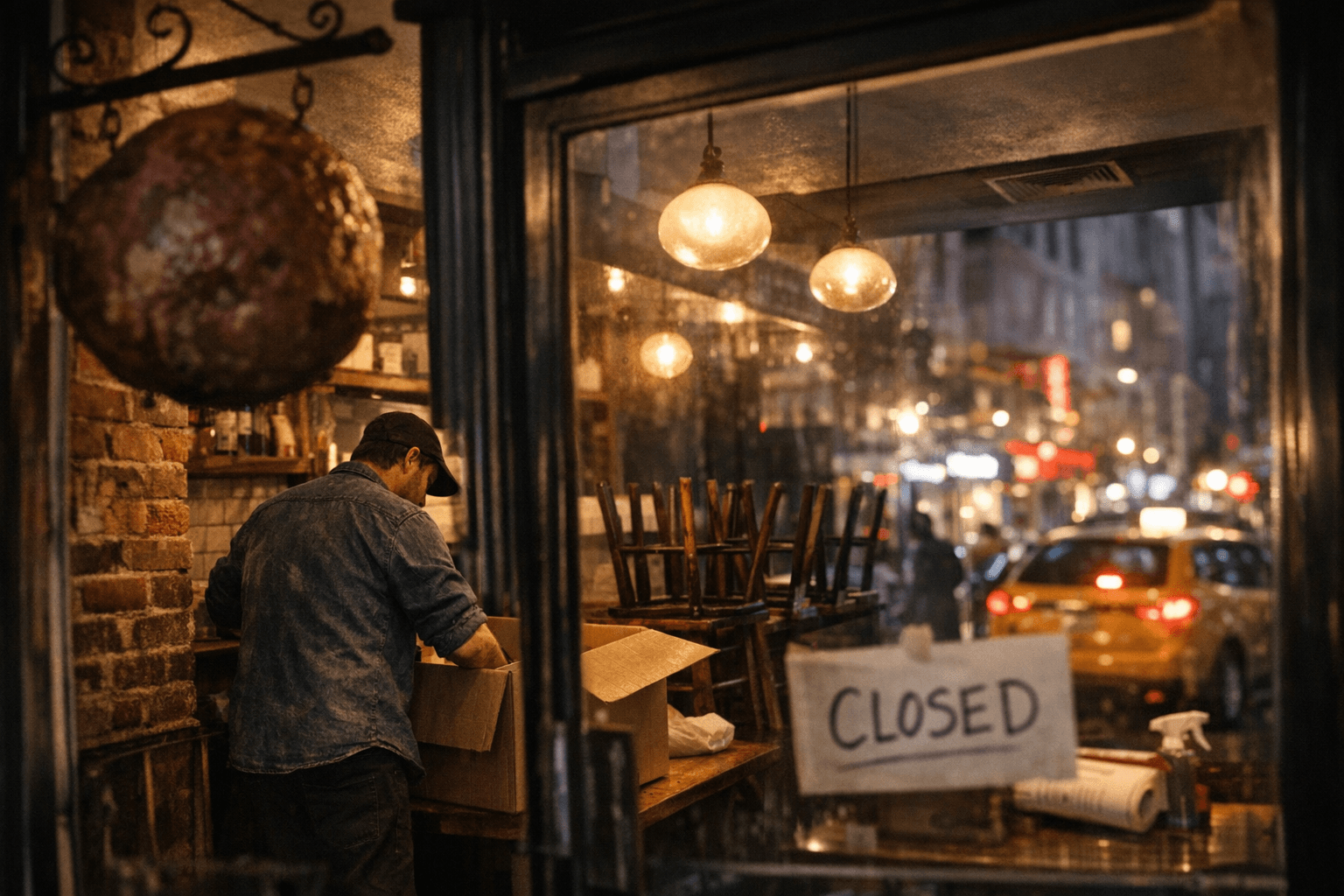
For multi-unit operators watching similar pressure patterns build in their own portfolios, the Meatball Shop's arc carries three hard signals. First, when a single unit fails within six months due to lease costs, that is not an isolated miscalculation; it is a unit economics trigger that demands a full-portfolio review, not a wait-and-see posture. Second, lease resets are the structural red flag the brand missed at renewal points: the Williamsburg location's eleven-year run ended at exactly the kind of inflection where consolidation should be chosen over continued operation at repriced terms. Third, and most costly, is the final-location trap. By 2023, The Meatball Shop had already reached the moment when a single remaining unit carries no operating leverage to absorb any further shock. One bad quarter, one lease dispute, one pandemic, and the brand is gone. That consolidation decision needed to happen earlier.
Holzman trained at Le Bernardin at 15 before earning a James Beard Foundation scholarship to the Culinary Institute of America. Chernow spent seven years at the restaurant Frank before graduating with honors from the French Culinary Institute in 2007. They built something that outlasted almost every buzzy New York concept of its generation. The Meatball Shop Cookbook, published by Ballantine Books in 2011, is still stocked at Whole Foods locations nationwide. The founders have gestured at a late-2025 Instagram-driven reboot, though no reopening materialized before Hell's Kitchen closed. Any revival would need a fundamentally different operating model than the one that made 84 Stanton Street such an unlikely hit.
Know something we missed? Have a correction or additional information?
Submit a Tip

