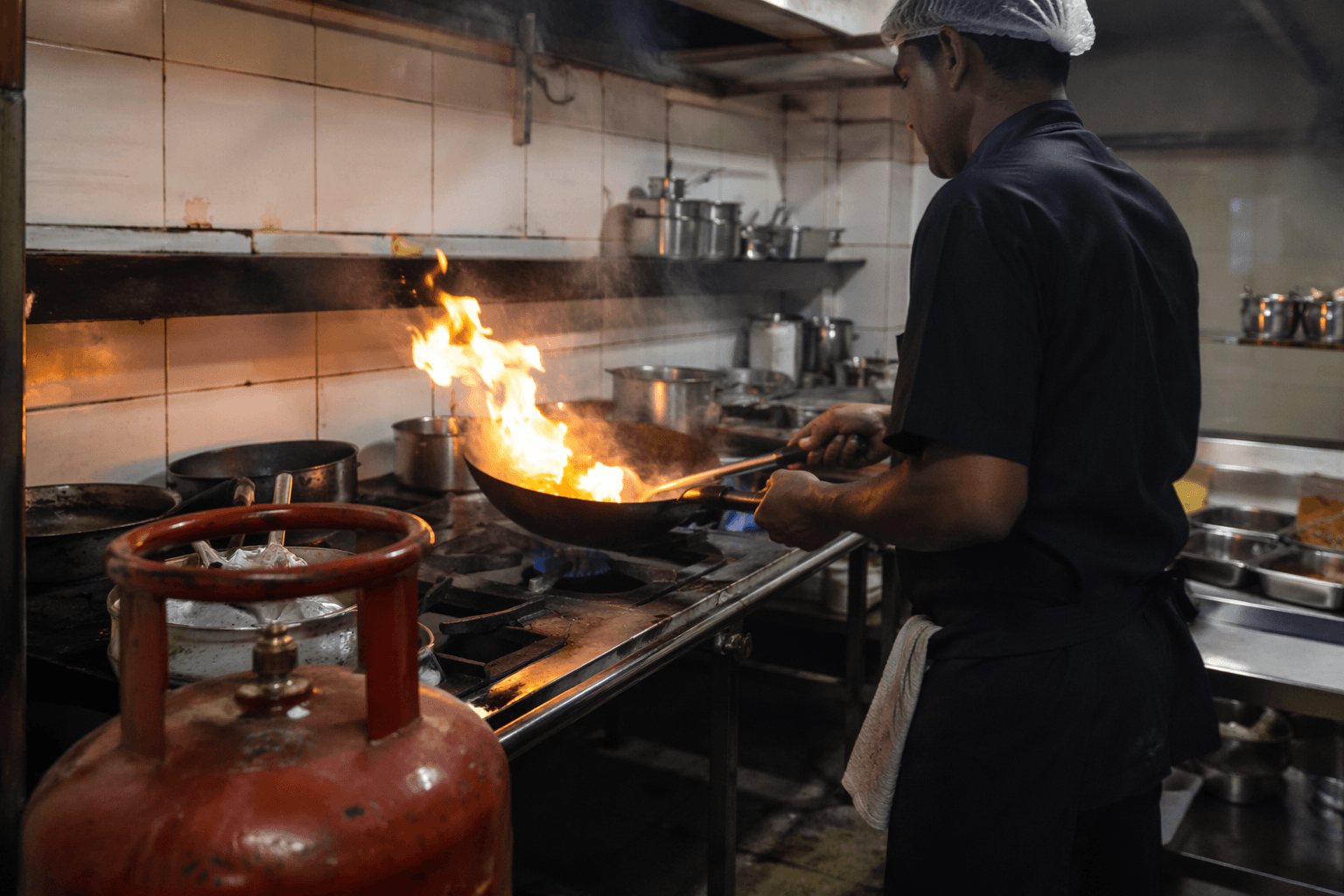
Third-party delivery fees squeeze restaurant margins, forcing tough labor choices
A delivery order can look like easy revenue and still leave a restaurant underwater. App commissions, promos, packaging and fees can force managers to cut hours, trim service or raise prices.
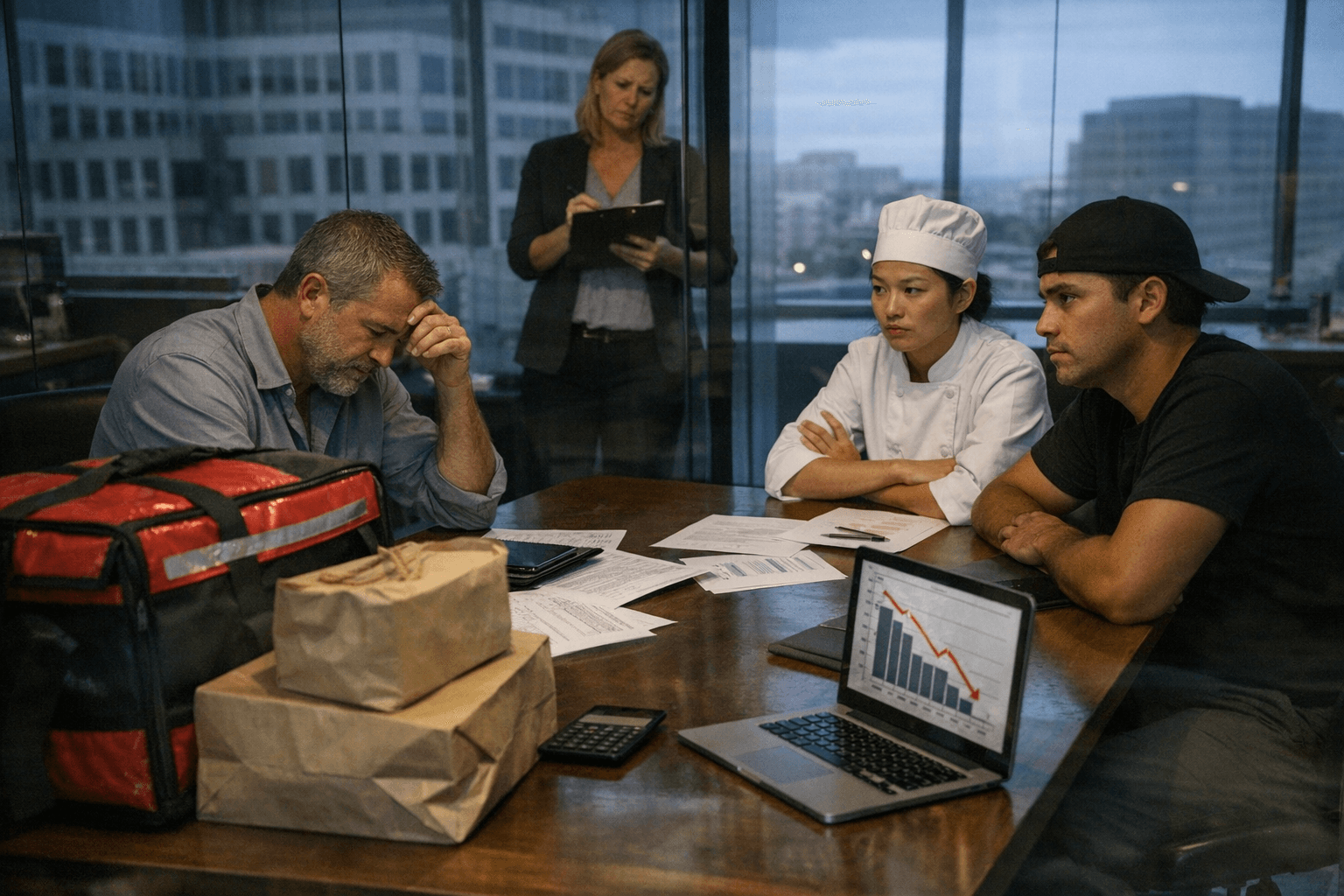
A $40 delivery order is rarely a $40 win for the restaurant that cooked it. By the time app commissions, discount subsidies, packaging, and settlement adjustments hit the books, the sale can shrink fast enough to change how many people get scheduled on the next shift.
How one order gets carved up
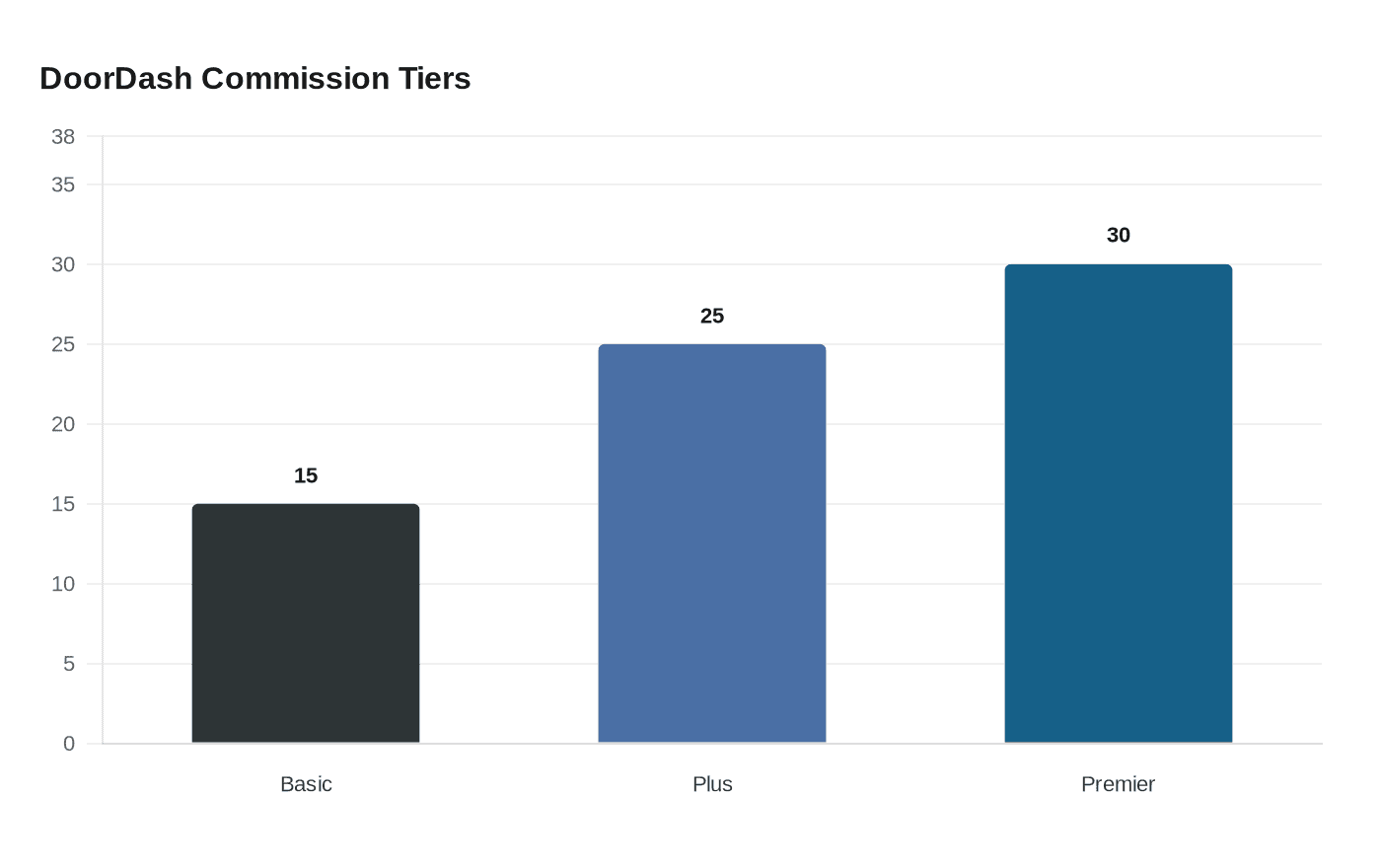
The math is easiest to see on a single ticket. Take a neighborhood restaurant with a $40 dinner going out through a third-party app. On DoorDash’s Basic tier, the commission is 15%, or $6. Move up to Plus at 25%, and the cut becomes $10. Premier takes 30%, or $12. That is before the operator absorbs the cost of bags, seals, utensils, menu promotions, refunds, or chargebacks tied to the order.
On a bare-bones example, a $40 order can look like this:
- Gross delivery sale: $40
- DoorDash Basic commission at 15%: minus $6
- Packaging and handoff supplies: minus about $2
- Restaurant-funded promo or discount: minus $4
- Chargebacks, refunds or other adjustments: minus $1 to $3
That leaves roughly $25 to $27 before food cost, labor, rent and everything else that keeps the doors open. At a 25% or 30% platform tier, the gap gets wider. A sale that looks strong in the app can still leave the operator with far less cash than the same meal sold at the counter or on the restaurant’s own website.
Delivery is no longer a side habit
Restaurants are not fighting this battle over a tiny corner of business. Purdue University’s Consumer Food Insights report found that around two-thirds of consumers had used a food-ordering app at least once for takeout, delivery or both, and more than half had used one for a delivery order. Nearly half of app users said they used an app for delivery or takeout at least once a week. YouGov found that 17% of Americans say they get food delivered at least once a week, with higher use among younger, wealthier and urban consumers.
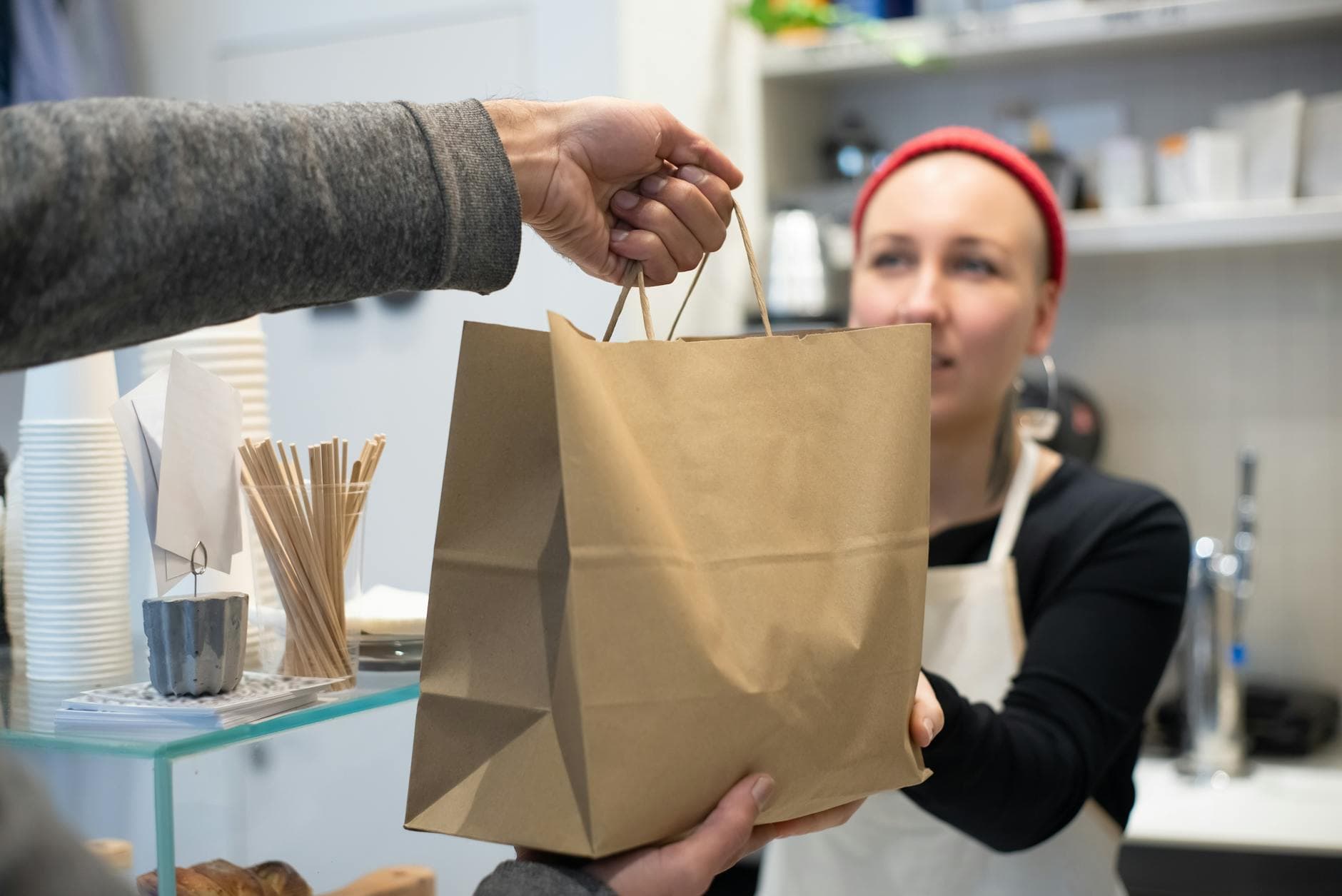
That means delivery has become part of normal demand, not an occasional spike. Restaurant Dive has also reported that consumers would order takeout and delivery more often if they had the money to pay for it, which helps explain why the category stays resilient even when prices rise. The problem is that the more the industry leans on delivery, the more every ticket has to carry a stack of hidden costs that were not part of the old dine-in model.
What the platforms are selling operators
DoorDash, Uber Eats and Toast all pitch tools that promise flexibility, but each one also reflects how much leverage the platforms have over the sale. DoorDash’s merchant pricing page lists three marketplace tiers, Basic at 15% commission per delivery order, Plus at 25%, and Premier at 30%. In other words, the platform is not just selling access to customers; it is selling access at different price points depending on how much of the order value the restaurant is willing to give up.
Uber Eats says it works with more than 825,000 restaurant, retail, grocery, florist, liquor store and other merchant partners, and it markets flexible merchant pricing as part of that pitch. Toast says its Delivery Services can route first-party online orders through Uber Direct or DoorDash Drive and let restaurants pass some or all delivery fees to guests. That sounds like a technical fix, but it also shows where the industry is headed: restaurants are being pushed to build systems that can absorb platform logistics while still protecting the customer relationship.
There is a reason the phrase middleman tax keeps coming up in conversations about delivery. Marketplace fees in 2024 were reported at 15% to 30%, depending on the features offered by the platform and the strength of the restaurant brand. For a strong name in a busy market, that may be the cost of reaching customers. For everyone else, it can feel like paying rent on your own demand.
Why the labor choices get harder
For workers, the hit does not stop at the ledger. When third-party fees chew through margin, operators usually look at the easiest places to trim: labor hours, benefits, menu comps, and service levels. That can mean fewer cashiers on a lunch shift, one less prep cook on the evening line, a smaller host team, or a slower pace of comping mistakes that would have been absorbed when margins were healthier.
Delivery also changes the work already happening in the kitchen. Staff have to pack orders correctly, label them, manage timing, and get them out fast enough that a driver is not sitting in the lobby while the food dies under heat lamps. In restaurants already dealing with staffing shortages, burnout and high turnover, that extra off-premises workflow can add pressure without adding much relief. If a restaurant starts handling more in-house delivery or first-party fulfillment, the work does not disappear, it just moves onto the shoulders of the crew.
Managers face a tough tradeoff. Keep delivery prices low and protect demand, or raise menu prices and risk losing the very customers the app brought in. The fee structure can also complicate pay equity and tip culture, especially when front-of-house staff are asked to do more packing, handoff work or customer service without a clear path to better earnings. In a business where one bad weekend can blow up a weekly labor budget, app economics can decide who gets hours and who gets cut.
The policy fight is still alive
Cities did not start capping fees because they wanted to reinvent restaurant tech. They stepped in when the pandemic made off-premises sales a lifeline and app commissions looked unsustainable. New York City first capped third-party delivery fees at 15% for delivery and 5% for other fees in 2020, then made the cap permanent in 2021 under the City of New York. Seattle’s permanent 15% cap on food delivery platform commissions took effect in 2022, after a bruising local debate that involved figures such as Jenny A. Durkan, Bruce Harrell, M. Lorena González and Lisa Herbold.
Those caps matter because they show how far the fight has moved beyond a temporary crisis response. Temporary delivery-fee limits were adopted in multiple cities during the pandemic to help restaurants under severe off-premise pressure, and the fact that those disputes are still alive tells you the issue never really went away. The central tension remains the same: delivery volume can rise, customer demand can stay strong, and the operator can still end up with less money to hire, train and keep good people on the floor.
That is the part of the delivery boom that workers feel first. The app may be selling convenience, but in the restaurant, convenience is often bought with thinner margins and harder staffing choices.
This article was produced by Prism’s automated news system from verified source data, official records, and press releases, then run through automated quality and moderation checks before publishing. The system is built and supervised by the people who set the standards it runs under. Read our full AI policy.
Did this article answer your question?