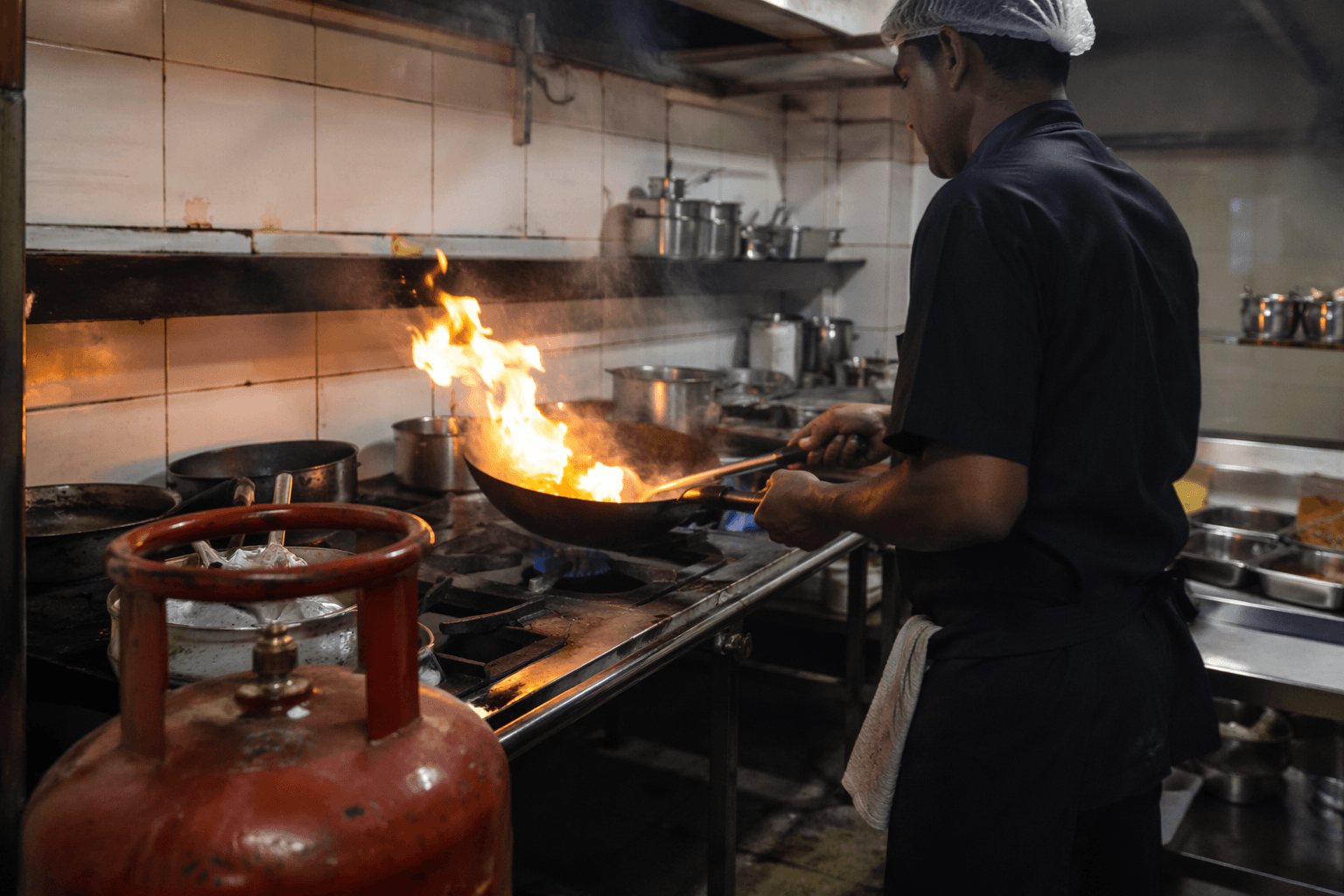
Tipping fatigue grows, restaurant customers cut back on gratuities
Tip fatigue is showing up in real checks: 35% of consumers said they cut back on gratuities, and takeout tipping fell to 62% from 78% in 2022.
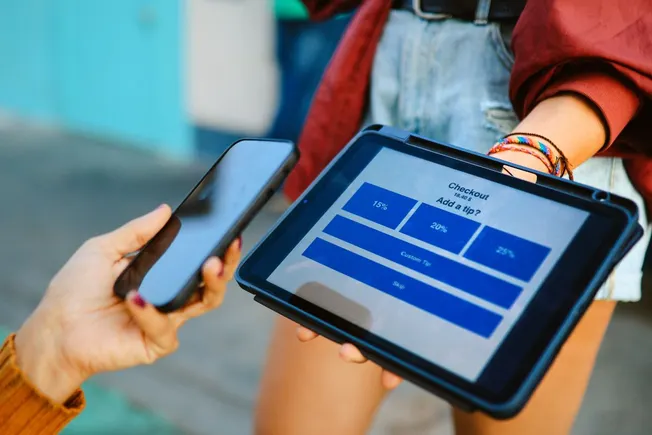
The sharpest sign of tipping fatigue was not at the dining room table but on takeout tabs: the share of takeout orders that got a tip fell to 62% in 2026 from 78% in 2022. That drop suggests the backlash is moving beyond awkward checkout screens and into the money servers, bartenders and other tipped workers actually take home.
A survey of 1,000 U.S. consumers conducted March 15 and 16 found that 35% had cut back on how often or how much they tip at restaurants this year. Another 42% said they would feel comfortable skipping tips in some situations, while 60% said they were fed up with being asked to tip for different services at various establishments, up from 53% a year earlier. Consumers said they had tipped for services they did not think were warranted an average of 40 times, and 39% said they tip someone at least once a week when it is not necessary or customary. In a separate April release, 3 in 4 consumers said tipping had become ridiculous.
For restaurant workers, the question is not whether consumers are annoyed. It is whether that annoyance is cutting into pay. In full-service spots, tips still make up a large share of take-home earnings, especially when front-of-house staff are tied into a tip pool. Federal rules still allow employers to pay tipped workers a direct cash wage of $2.13 an hour and claim a tip credit of up to $5.12 an hour toward the $7.25 federal minimum wage, so long as wages and tips together reach the minimum each workweek. The U.S. Department of Labor defines tipped employees as workers who customarily and regularly receive more than $30 a month in tips.
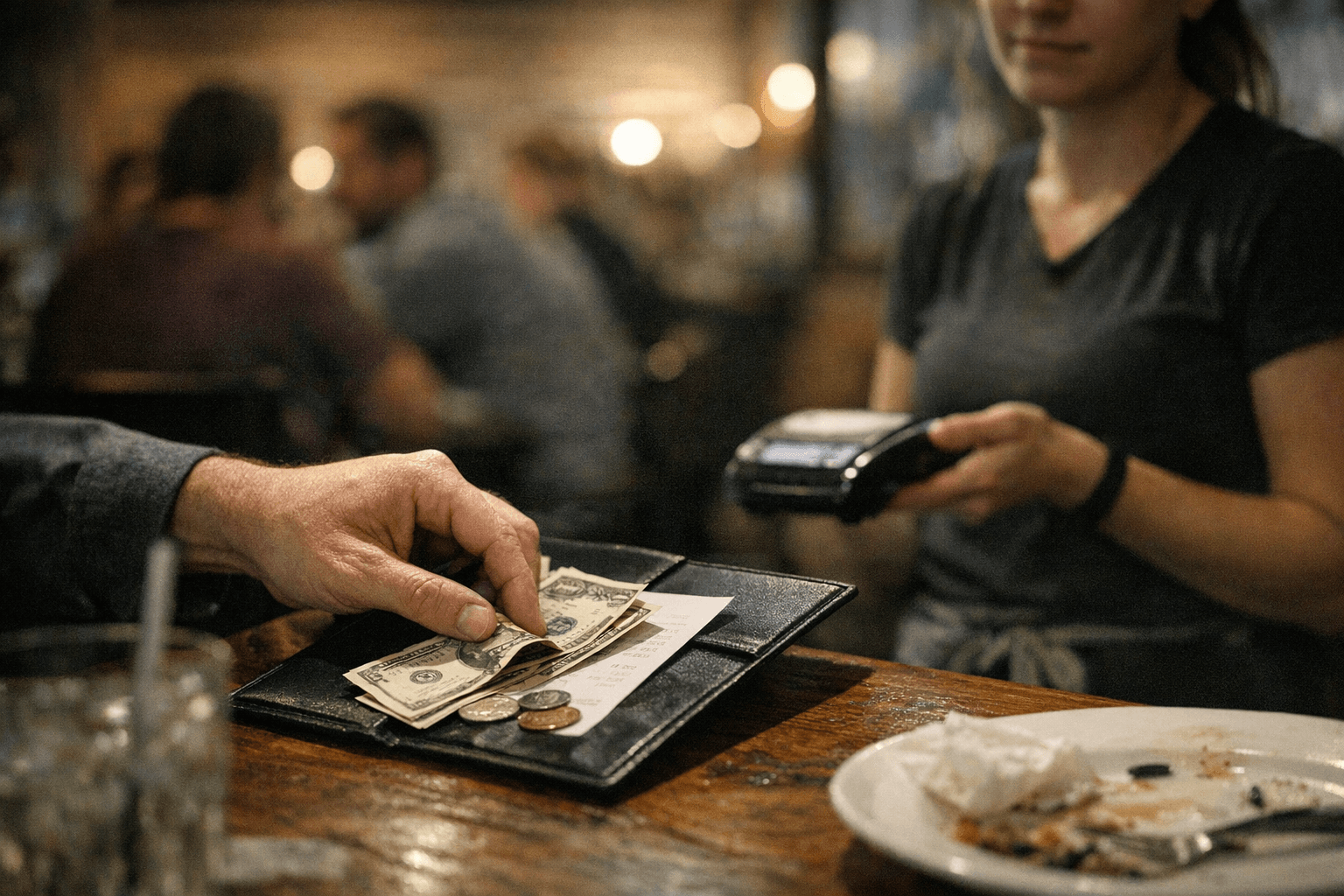
The pullback appears strongest in limited-service restaurants and coffee shops, where customers are increasingly being nudged to tip even when service feels minimal. Lower delivery tips are also becoming a problem, and the broader trend is not new. Popmenu said in 2025 that 77% of consumers described tipping in the U.S. as ridiculous, while earlier data showed just 38% of consumers tipped restaurant servers 20% or more in 2024, down from 42% in 2023 and 56% in 2021.
Restaurant operators have options, but none are easy. A 2025 study by researchers from Washington State University, Temple University and Auburn University found that businesses can blunt tip-fatigue backlash by making service effort more visible and by being more selective about when they ask for gratuities. That points toward changes in prompt design, service model and pricing, not just more pressure on guests. For workers, the message is plain: tip income is becoming less predictable in a digital checkout economy, even as the Bureau of Labor Statistics put median hourly pay for food and beverage serving workers at $14.92 in May 2024 and projected waiter and waitress jobs to decline 1% from 2024 to 2034.
This article was produced by Prism’s automated news system from verified source data, official records, and press releases, then run through automated quality and moderation checks before publishing. The system is built and supervised by the people who set the standards it runs under. Read our full AI policy.
Did this article answer your question?