Toast launches drive-thru system to modernize fast-food lane operations
Toast is betting live order screens and AI voice tools can shave seconds off busy drive-thru lanes. The first users are multi-unit chains, not mom-and-pops.
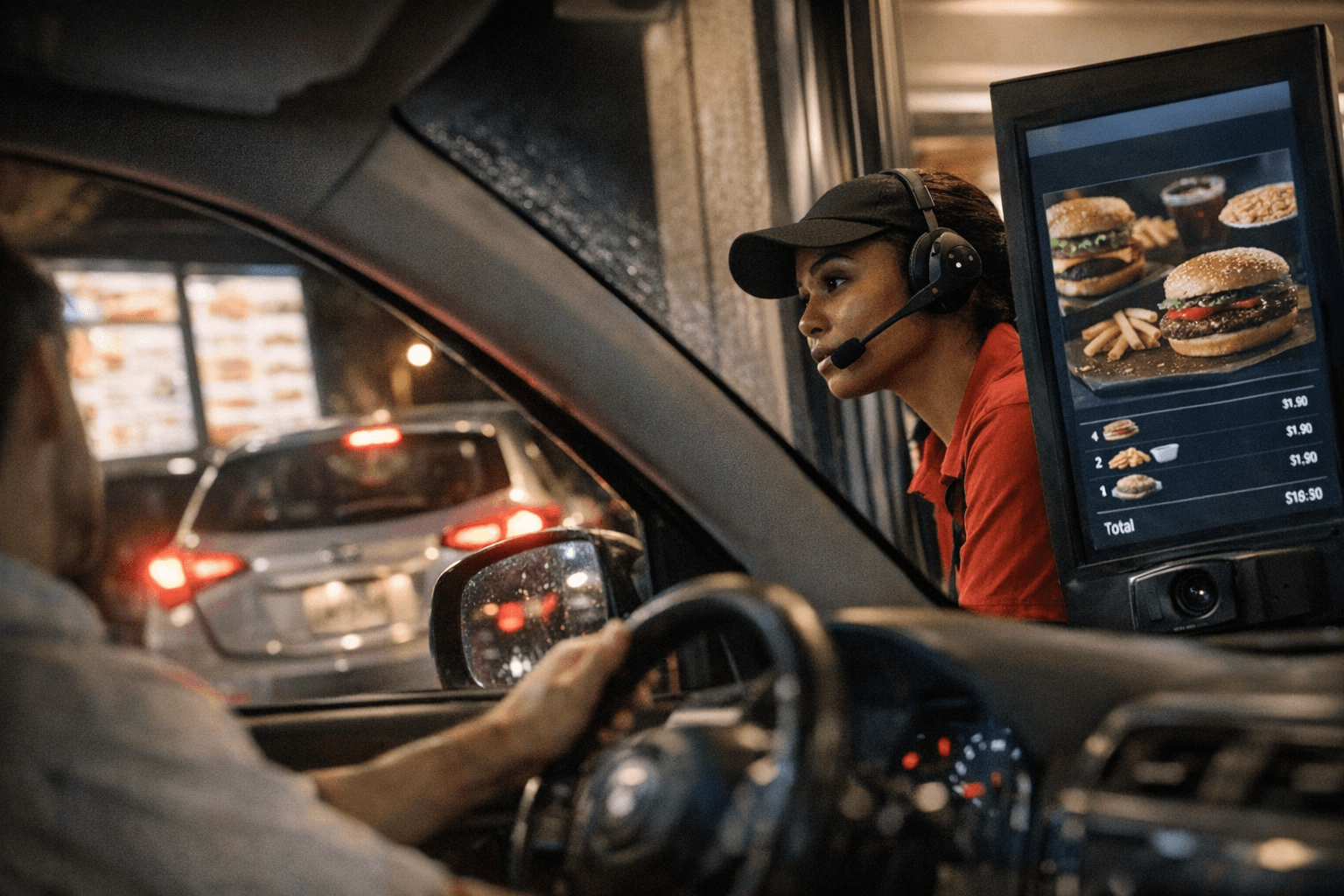
At Taco Palenque, the order can now show up on the menu board as it is being entered, a small change that could matter a lot when a car line starts backing up and every second counts. Toast is pitching that as the point of Toast Drive-Thru, its first dedicated drive-thru system, which it launched on April 14 as part of its Enterprise Solutions suite.
The rollout is aimed first at brands with 15 or more locations, which tells you who Toast thinks will pay for a deeper hardware-and-software overhaul: multi-unit fast-food operators, not the smallest independents. Toast says there are just over 140,000 drive-thru locations across the U.S. restaurant industry, citing 2026 Technomic Ignite data. That is a huge market, but it is also a reminder that the real bottleneck is not just taking an order. It is getting the order right, getting it out fast, and not burying the crew in headset traffic, kitchen tickets and last-second corrections.
Toast Drive-Thru pulls in digital menu boards from Delphi Display Systems, the company Toast bought on February 16, 2023. Toast said at the time that Delphi technology was already installed at tens of thousands of sites globally and could reach more than 400,000 QSR and fast-casual restaurants in the United States. Now those boards are being used as a live verification layer, with an Advanced Order Confirmation Screen designed to let guests see their orders before food is fired. The platform also adds drive-thru-specific POS features like vehicle ID and lane tagging.
For crews, that kind of system can cut down on the old chain of repetition, where a cashier, headset worker and expediter all have to recheck the same combo meal while cars stack up in the lane. It can also shift more pressure onto the screen itself. If the order display is wrong, lagging or out of sync with the kitchen, the staff still has to fix it, only now in front of a guest who can see the mistake in real time. That is where the difference between a smooth rush and a jammed lane is often measured in seconds, not software features.
Toast is also layering in AI voice-ordering integrations, with Incept AI named as an initial partner, and says more integrations are coming later in 2026. The company says it will provide white-glove services, including site surveys, design input, content services and installation support, which makes this less like a simple software add-on and more like a full remodel of the drive-thru lane.
Gilberto Salinas, manager of information systems at Palenque Group, said the system improved order clarity and accuracy, turning manual double-checks into a more streamlined process. That is the kind of result operators will care about most. If Toast Drive-Thru helps a lane move faster without dumping more stress on the crew, it could earn a place in busy quick-service kitchens. If not, it risks becoming another expensive layer in a lane already crowded with tech.
Know something we missed? Have a correction or additional information?
Submit a Tip