Unilever Food Solutions forecasts menu trends, AI personalization for restaurants
Unilever Food Solutions is pushing heritage dishes, premium street food and AI-powered personalization as margins tighten and kitchens look for simpler ways to sell more.
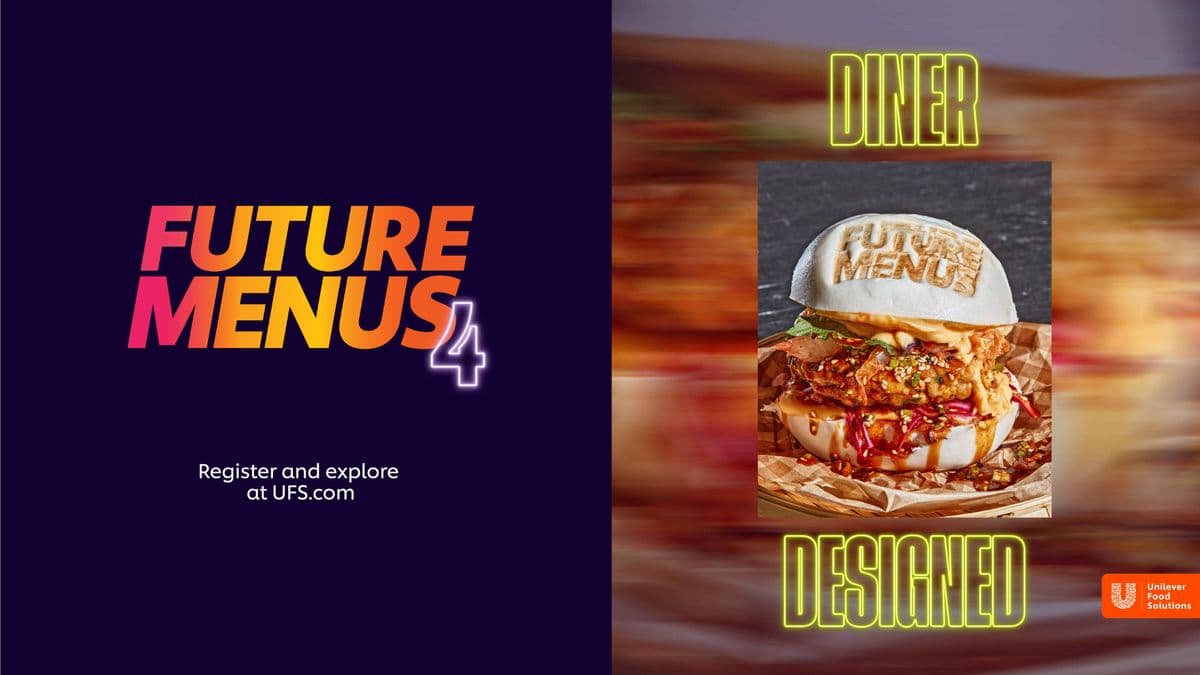
Rising costs are pushing restaurants toward menus that sound more personal but are built to be easier to run. Unilever Food Solutions says its new Future Menus 2026 forecast is built around four trends, Culinary Roots, Streetfood Couture, Borderless Cuisine and Diner Designed, with the clearest operator payoff sitting in the last one: simpler menus, modular builds and flexible formats that are meant to preserve kitchen efficiency.
The company launched the fourth iteration of the platform on April 23, saying the new system uses proprietary AI and an Experiential Intelligence Model that blends browser analytics, consumption signals and sentiment insights. Unilever Food Solutions says the goal is not just inspiration, but menu profitability, lower operational complexity and new ways to reach diners without turning every dish into a labor problem. For independents and smaller restaurant groups, the pitch is straightforward: intelligence that used to sit mostly with big chains is now being packaged for kitchens that do not have teams of analysts on payroll.
The menu ideas themselves map closely to the pressures operators are already feeling. Culinary Roots leans into ancestry, heritage and the kind of storytelling that can help a dish stand out to Gen Z diners. Streetfood Couture takes familiar street flavors and dresses them up with craft and technique rather than expensive ingredients, which may sound like a smart margin play if it does not add too much prep time or specialty sourcing. Borderless Cuisine pushes past simple fusion and into cultural storytelling, but that kind of concept can also create training headaches if a kitchen needs to explain unfamiliar flavors and plating standards to a crew already stretched thin.
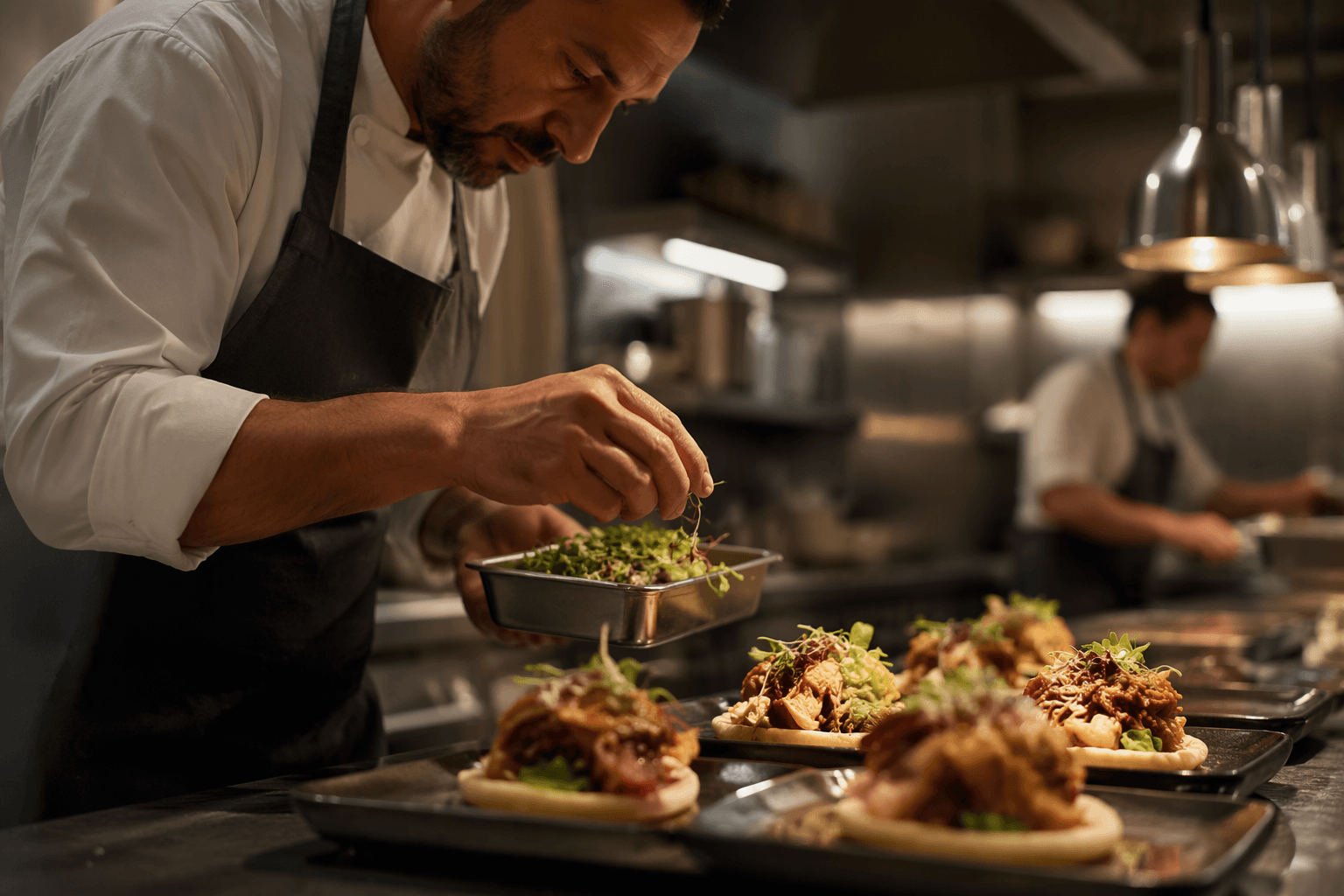
Diner Designed is the most operationally useful of the four. Unilever Food Solutions says the concept is a refined take on personalization that keeps efficiency intact, which in restaurant terms means fewer moving parts, less waste and a better shot at protecting ticket times. That matters in kitchens where burnout, turnover and inconsistent line staffing can turn every customization into a bottleneck.
The company says the 2026 forecast is based on millions of online searches, input from more than 250 chefs across 75 countries and real consumer behavior. It also points to its global chef network of 250 in-house chefs with 5,000 years of combined experience and 200 million dishes served worldwide. In South Africa, Unilever Food Solutions marketing director Yonela Motloung said the focus has shifted to honest storytelling, quality ingredients and value for money, as rising costs, tighter margins and more discerning diners force restaurants to do more with what they already have. A May 15 launch in La Lucia, with chef Latoya Marivate and guest chef Lerato, put culture, heritage and authenticity at the center of that same message.
Know something we missed? Have a correction or additional information?
Submit a Tip