Wendy's sales slide deepens as closures, ownership questions mount
Wendy's is closing stores and missing sales targets, raising the pressure on crews as hours, schedules and upkeep get tighter.

Wendy's once promised a much bigger business. In March 2025, the chain laid out a 2028 plan for 1,000 net new restaurants, 5% to 6% annual system sales growth, and 7% to 8% annual growth in adjusted EBITDA, with a global footprint of about 8,100 to 8,300 restaurants and as much as $18 billion in system sales.
That version of the story has unraveled fast. Kirk Tanner said he would leave Wendy's effective July 18, 2025, and the company put CFO Ken Cook in the interim CEO job on July 8, 2025 while it searched for a permanent chief executive. Since then, Wendy's has posted a string of weak quarters, and the latest numbers showed the pressure has not let up.
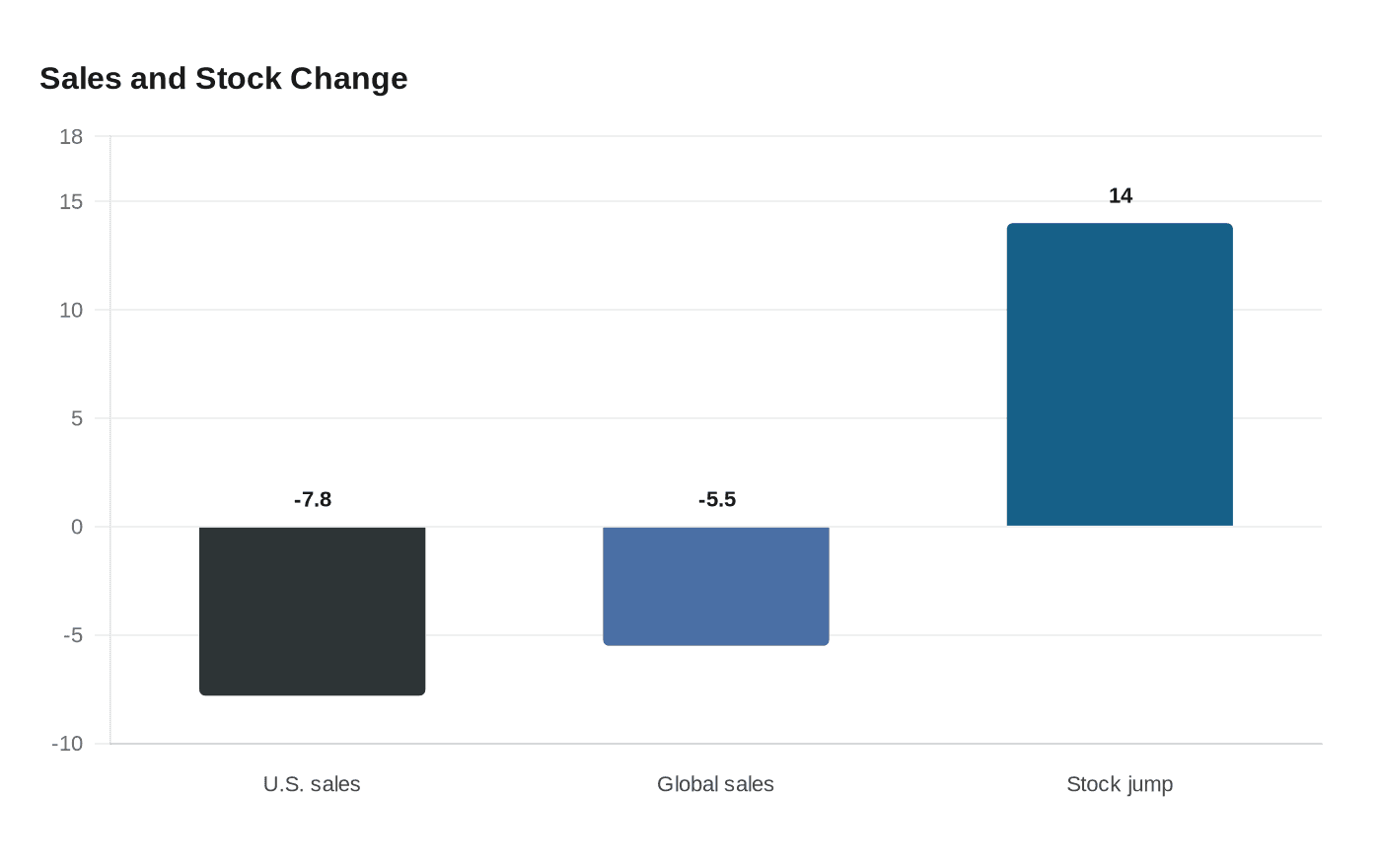
At its first-quarter 2026 earnings call on May 8, Wendy's kept full-year guidance unchanged at flat global systemwide sales, adjusted EBITDA of $460 million to $480 million, and adjusted EPS of $0.56 to $0.60. But the quarter itself was rough: U.S. same-restaurant sales fell 7.8%, global systemwide sales dropped 5.5%, and the company said the slide was tied in part to severe weather and changes in restaurant operating hours. It was Wendy's fifth consecutive quarter of same-store sales declines, a stretch that matters most in the stores where managers are already juggling callouts, tighter labor budgets and constant turnover.
The company said it was focusing the turnaround on restaurant cleanliness and order accuracy, two areas that can either ease the strain on crews or add another layer of pressure if the work force is already thin. Wendy's ended the quarter with 5,805 restaurants, down a net 174 U.S. locations since late 2025, and Cook had previously said the chain expected to close roughly 200 to 350 underperforming U.S. restaurants. For hourly workers, closures usually mean lost hours, transfers to unfamiliar stores, and new teams learning each other's routines while the schedule gets scrambled.
The ownership question is only adding to the uncertainty. Reports on May 12 said Trian Fund Management, tied to longtime Wendy's investor Nelson Peltz, was exploring investor backing for a possible take-private bid. Wendy's market value was about $1.3 billion when that news emerged, and the stock jumped roughly 14%. For restaurant employees, a potential buyout matters less as a headline than as a question of whether money will actually reach the field in the form of equipment, staffing, training and simpler operations, or whether managers will be asked to squeeze harder while sales keep sliding.
This article was produced by Prism’s automated news system from verified source data, official records, and press releases, then run through automated quality and moderation checks before publishing. The system is built and supervised by the people who set the standards it runs under. Read our full AI policy.
Did this article answer your question?