Why pizza chains still keep delivery in-house, and what it means for workers
Pizza chains keep delivery in-house because it protects margins, food quality, and control over the guest experience. For workers, that choice shapes staffing, routing, and who gets blamed when the food shows up late.
Why pizza chains still keep delivery in-house, and what it means for workers
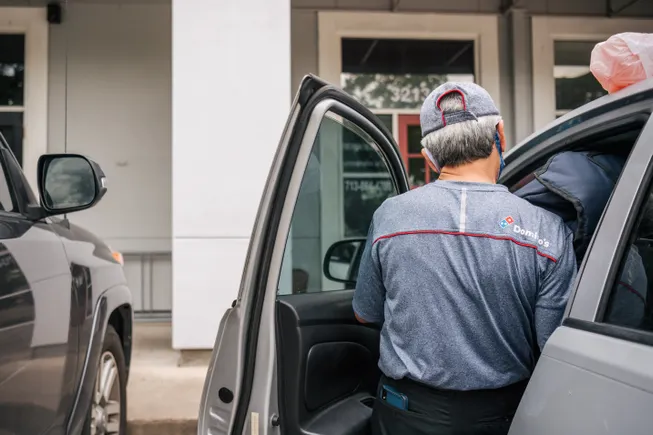
Domino’s did not hand delivery over when it joined DoorDash. That is the telling part. Even as the biggest app marketplaces keep pulling restaurants toward outsourced fulfillment, Domino’s said DoorDash Marketplace orders in the U.S. would still be delivered by Domino’s own drivers, a reminder that the chain is using the app for reach, not surrendering control of the handoff.
That choice gets at the core of the pizza business: delivery is not a side hustle, it is part of the model. More than half of pizza orders are placed for delivery or takeout, which makes the delivery decision a major profit lever, not just an off-premise convenience. For independent operators and big chains alike, the question is not only how to get food to the door. It is who controls the route, the timing, the customer relationship, and the complaint when the pie lands late or cold.
The money math still favors control
Third-party delivery can bring visibility and incremental customers, but it usually comes with a steep tradeoff. Restaurant coverage in 2024 pointed to hefty aggregator commissions, along with consumer resistance to higher delivered-food prices. That has made direct ordering more attractive again, especially for pizza brands that already know delivery is central to how guests buy from them.
An NCR Voyix report covered in January 2025 found that most customers still prefer ordering delivery directly from restaurants. The reasons were practical: convenience, easier customization, and rewards. Those are small details on the surface, but in restaurant economics they matter a lot, because every order routed through the restaurant’s own channel is an order where the brand keeps more margin and more data.
Pizza chains have been living with this tension for years. A 2024 QSR Magazine report said many brands initially resisted third-party delivery, then reconsidered after staffing problems following COVID made it harder to keep stores fully staffed. That is the pivot point for a lot of operators: delivery apps can solve a labor headache in the short term, but they can also turn into a margin headache that never goes away.
What in-house delivery changes for workers
When a restaurant keeps delivery in-house, it is not just a financial decision. It changes how the store is staffed and how the shift runs. The restaurant hires its own drivers, controls dispatch, and can set clearer expectations around routes, timing, and customer service. That usually means a more stable relationship for drivers, with one employer instead of a stack of app-side incentives, batch rules, and shifting pay formulas.
It also changes the pressure inside the building. In-house delivery often means more drivers on the schedule, more expo support, and tighter order accuracy on the line. If the pie is missing sauce cups or the wings are short, the issue lands with the kitchen and the manager who packed the order. If the run is late, the store still owns the delay instead of letting a platform absorb the blame.
That accountability cuts both ways. When delivery is handled by the restaurant, cooks, shift leads, and managers have a clearer line of sight from make table to customer doorstep. That can protect food quality, because the store can keep better control over how long food sits before it leaves. It can also mean more direct feedback loops when something goes wrong, which is rough in the moment but often better for solving repeat problems than arguing through an app.
Why third-party apps still matter
Even with those advantages, third-party platforms are not disappearing. They offer the kind of reach that can be hard for smaller operators to build alone, especially when they want to get in front of new households without building a massive local fleet. For some restaurants, apps function like a storefront in a mall: expensive, but visible.
That is why a lot of pizza brands are landing on hybrid models instead of choosing one side forever. They keep delivery in-house for core control, while using aggregators as an acquisition channel. Domino’s made that strategy plain on April 2, 2025, when it announced a DoorDash partnership with a nationwide U.S. launch beginning in May 2025. The company said the DoorDash and Uber Eats partnerships would expand its reach to incremental customers and help it capture market share, while still preserving its own delivery operation.
The numbers show why that strategy gets attention. QSR Magazine reported that Domino’s believed the two aggregator partnerships could represent about $1 billion in annual sales, while its delivery mix was around 3 percent at the time of the announcement. In other words, even a delivery-native giant saw enough upside in marketplace exposure to participate, but not enough reason to give away the fulfillment side that defines the brand.
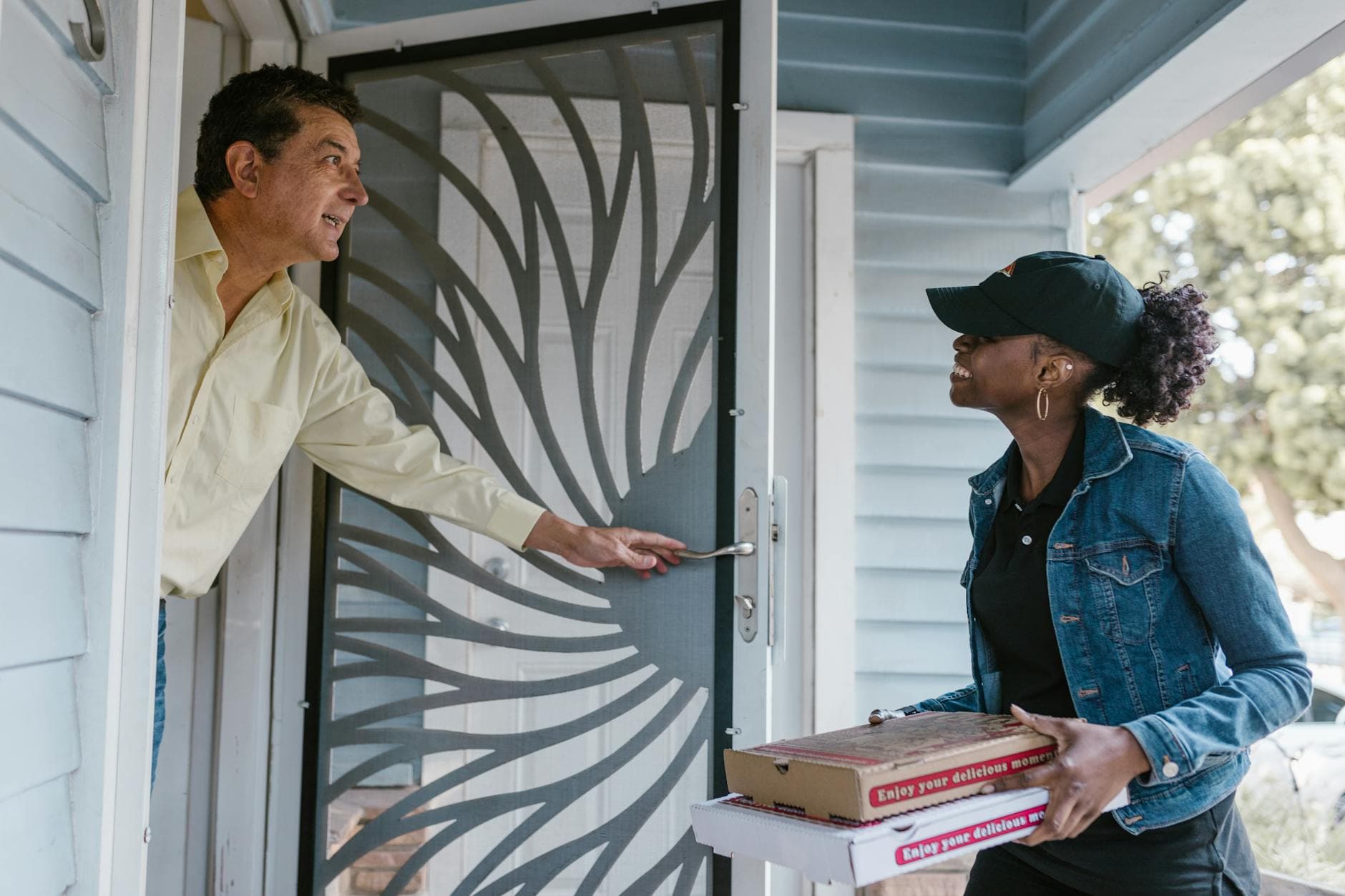
Domino’s 2025 annual report made the logic even clearer, saying the successful launch of DoorDash, together with Uber Eats, gave it a presence on the two largest aggregator platforms. That is a customer-acquisition move, not a full operational handoff. The company still wants the app traffic, but it also wants the brand control that comes from sending its own drivers to the door.
What history says about the category
Pizza’s attachment to delivery is not new. Historical accounts place pizza delivery in the late 19th century, with the category often traced to Naples, Italy, in popular retellings. That long history helps explain why pizza has been more resistant than many other restaurant categories to being fully absorbed by app-based delivery.
The modern version of delivery is obviously different from the old phone-order model, but the logic is the same: pizza travels, and the business has always depended on getting it to the customer in decent shape. That gives the category a structural advantage when it comes to first-party delivery. The restaurant already understands the product, the timing, and the expectation that the food should still feel hot enough to matter when it arrives.
The real takeaway for the floor
For workers, the delivery model is not abstract. It determines how many drivers are on the clock, how hard the expo station gets hit, and whether the store can recover from a bad order without getting trapped in platform arbitration. It also affects the balance of work between front and back of house, because app-heavy stores often push more pickup handling and complaint recovery onto the people inside the restaurant, even when the actual delivery problem happened outside it.
That is why in-house delivery still has staying power. It keeps more control with the restaurant, more accountability with management, and more of the guest experience visible to the staff who actually make the food. In pizza, where delivery is still a core profit engine, the old-school model is not nostalgia. It is a way to hold onto margin, service quality, and the parts of the job that still belong to the restaurant.
This article was produced by Prism’s automated news system from verified source data, official records, and press releases, then run through automated quality and moderation checks before publishing. The system is built and supervised by the people who set the standards it runs under. Read our full AI policy.
Did this article answer your question?