World Cup host cities see early hiring surge for restaurant workers
Hospitality postings in 11 World Cup host metros jumped 30.3% in May, putting bartenders, servers and hosts in an early race for shifts and pay.

The first labor fight around the World Cup is already happening in restaurant hiring. Hospitality job postings across the 11 U.S. host metros jumped 30.3% in May from the January-to-April monthly average, while non-host markets fell 23.8%, a split that points to an early scramble for service workers before the biggest crowds arrive.
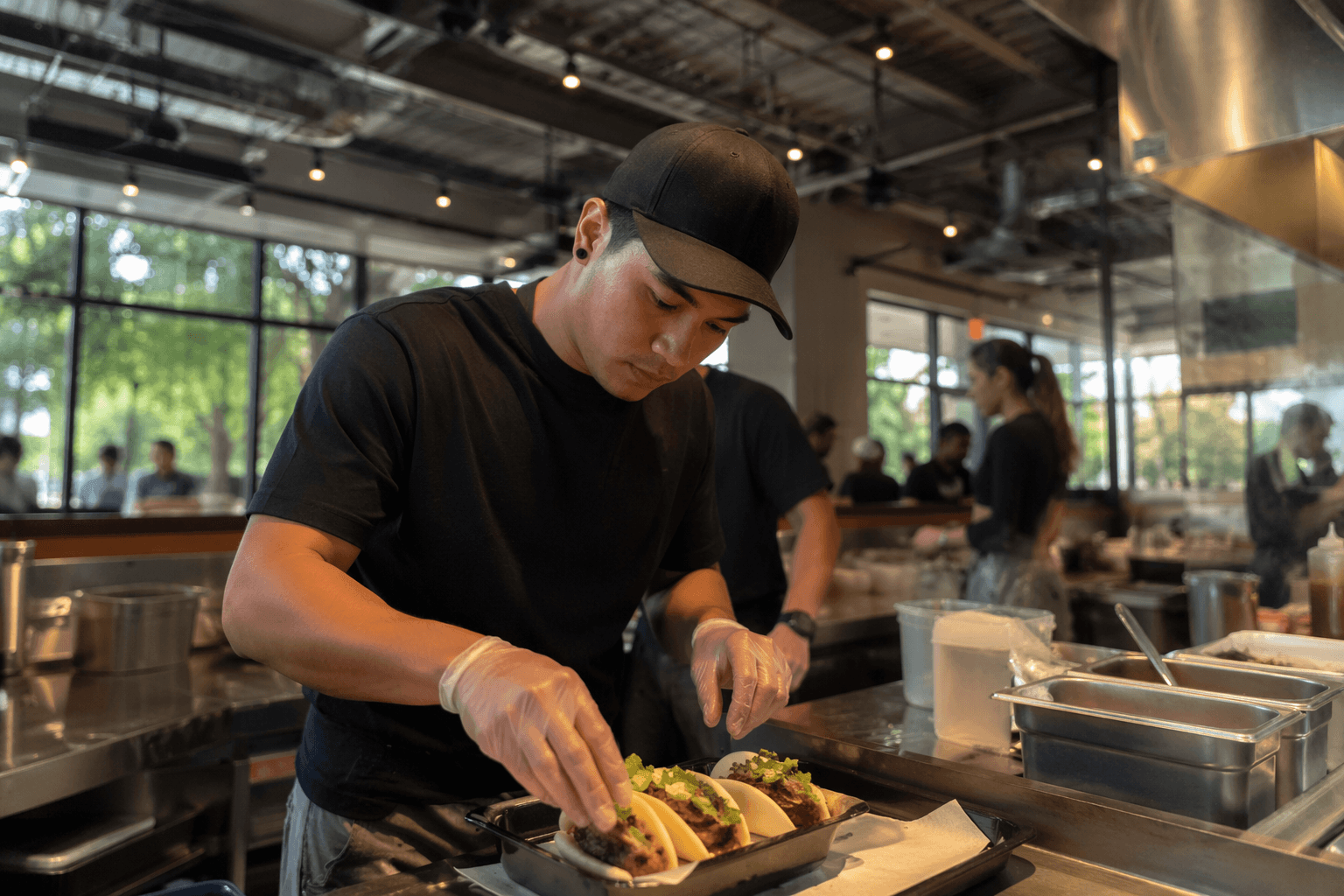
The pressure is showing up first in the jobs that touch guests every day: hotel managers, event coordinators, valets, delivery drivers, bartenders, servers and hosts. For restaurants, that usually means front-of-house staffing tightens before anything else, then spills into the kitchen as volume climbs, split shifts multiply and overtime becomes more common. Line cooks may not be the first people employers chase, but they are among the first to feel the squeeze when dining rooms fill up and schedules get stretched.
Philadelphia, Boston, Atlanta, Houston, Dallas-Fort Worth, Seattle, New York/New Jersey, San Francisco, Los Angeles, Miami and Kansas City will host 78 matches when FIFA’s expanded tournament runs from June 11 to July 19, 2026. The event includes 48 national teams and 104 matches across the United States, Canada and Mexico, with the final set for the New York/New Jersey area. That concentration of games in U.S. host cities is what is pushing employers to recruit earlier than usual and fight harder for people who already know how to handle a packed bar, a slammed dining room or a high-volume event floor.

The hiring surge is not just a one-off staffing quirk. FIFA had already posted evergreen hospitality and venue-operations jobs tied to World Cup 26, and On Location is serving as the official hospitality provider. FIFA also said official U.S. hospitality packages were first announced for sale in 2024, giving operators and workers a long runway to prepare for the event.
The wider labor market is helping hospitality employers add bodies, but not necessarily solve pay pressure. The U.S. Bureau of Labor Statistics said total nonfarm payrolls rose by 172,000 in May 2026, with leisure and hospitality among the sectors adding jobs. OysterLink also said leisure and hospitality added 44,000 jobs in March, its strongest monthly gain in four years, while compensation growth slowed to 2.4% in its latest reading.
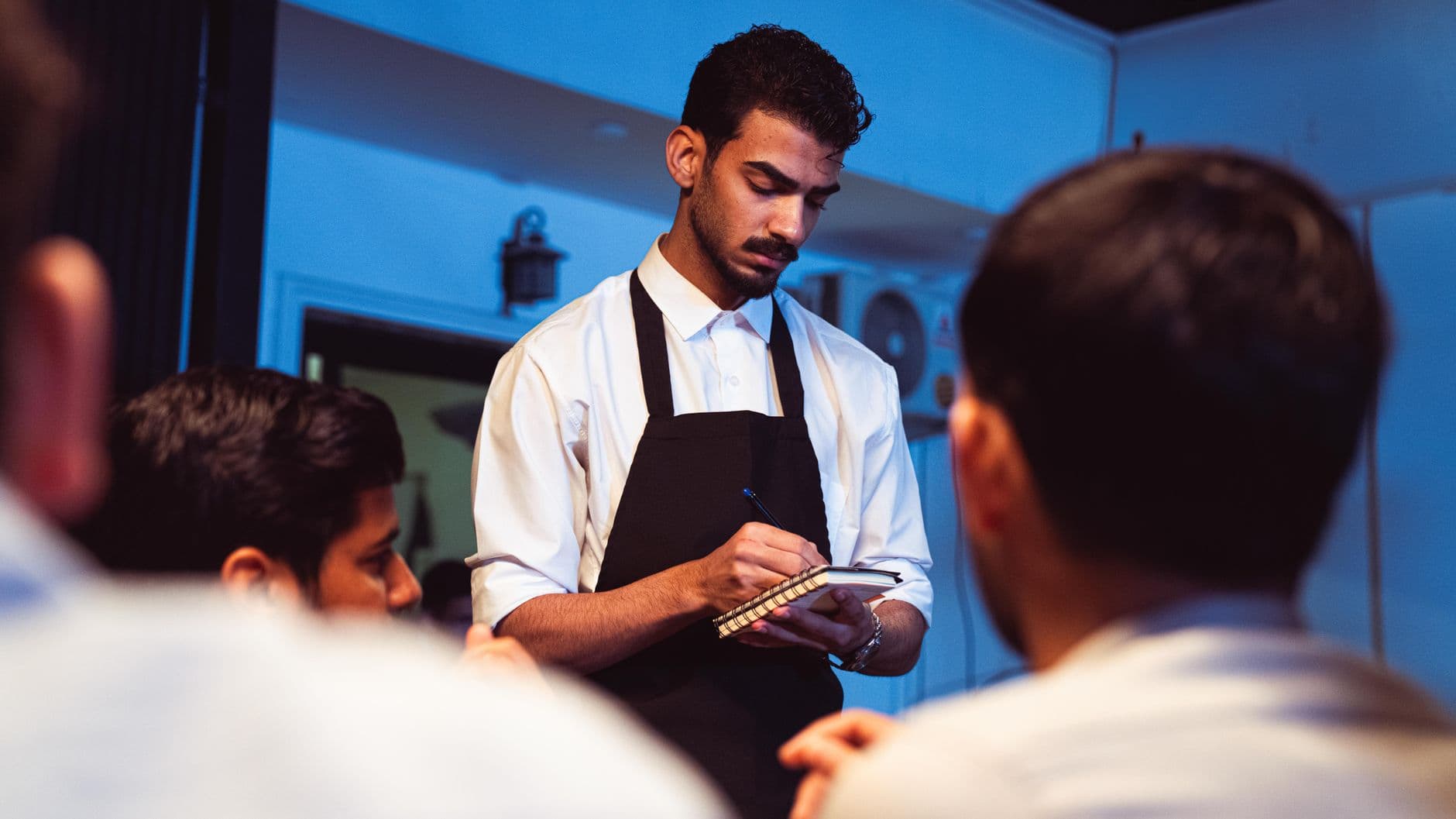
That combination suggests the World Cup effect will be less about a broad hiring boom than a concentrated battle for experienced service workers in host cities. For workers in those markets, the best bargaining power may be in roles that can absorb more hours, take on event work or move quickly into the most visible shifts. For managers, the message is blunt: if the staffing plan is not built now, the tournament will expose the gaps fast.
This article was produced by Prism’s automated news system from verified source data, official records, and press releases, then run through automated quality and moderation checks before publishing. The system is built and supervised by the people who set the standards it runs under. Read our full AI policy.
Know something we missed? Have a correction or additional information?
Submit a Tip