Evanston mayor backs Starbucks baristas, calls company conduct abusive
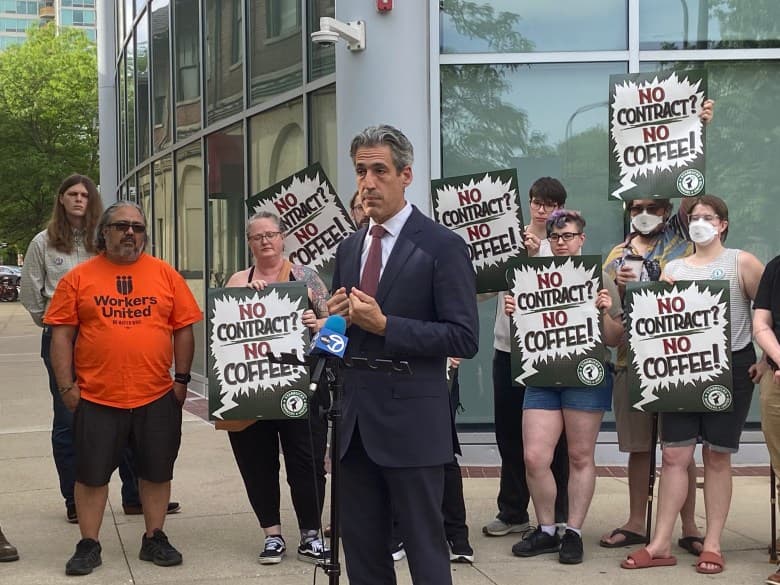
Daniel Biss stood with Starbucks baristas outside Morton City Hall and accused the company of “truly abusive behavior” in a labor fight over wages, staffing and a fair contract.
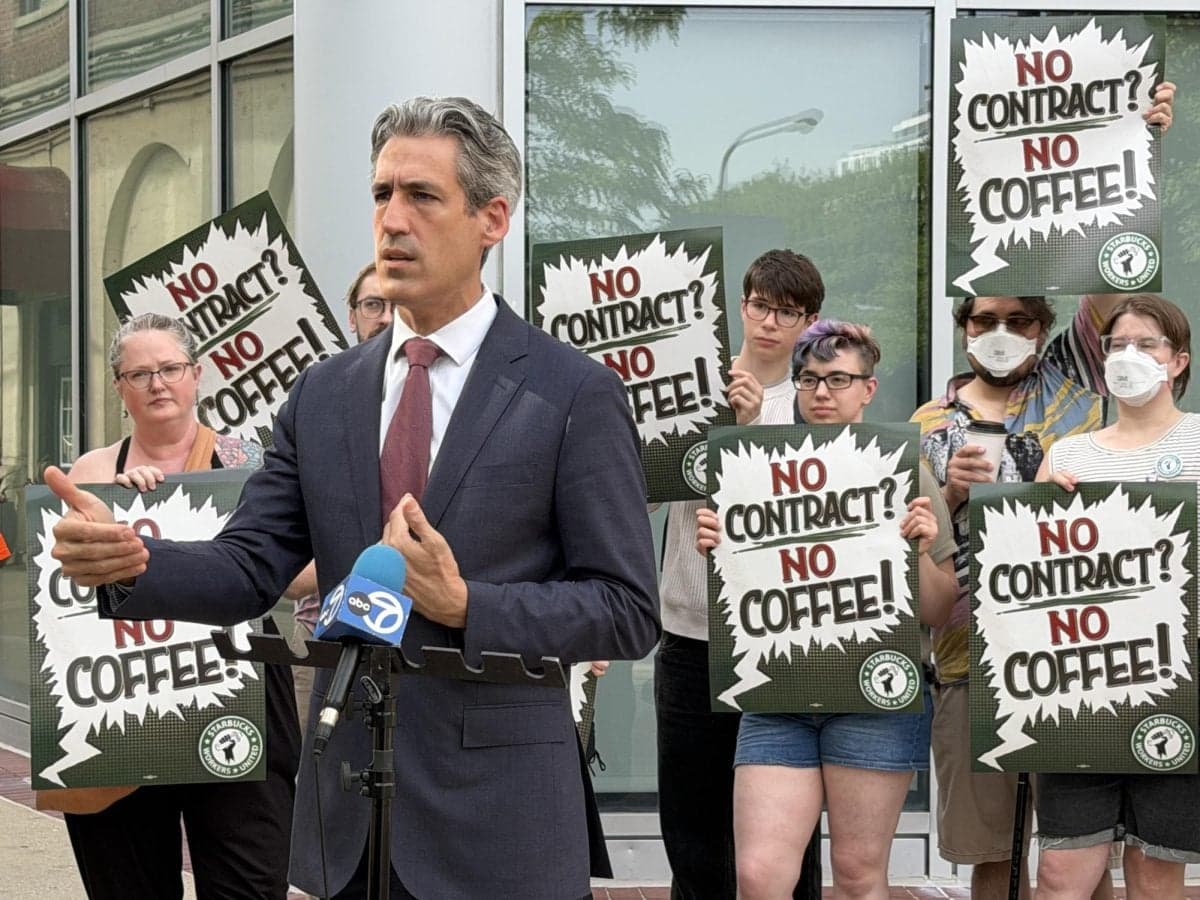
Evanston Mayor Daniel Biss gave unionized Starbucks baristas something they rarely get in a store-level labor fight: a sitting mayor willing to stand in public and say the company’s conduct had crossed a line. At a May 27 news conference outside Morton City Hall, 909 Davis St., Biss stood beside workers holding No Contract? No Coffee signs and said the city had received credible reports of truly abusive behavior by Starbucks.
The event pulled the dispute out of the usual backroom bargaining lane and into city politics. Biss, baristas, faith leaders, councilmembers and community allies were pressing Starbucks to follow Evanston’s Fair Workweek Ordinance, 24-O-23, stop what they described as violations of local and federal law, and finalize a fair first union contract. For workers, that kind of public backing can matter fast. It gives pickets more credibility, makes customer complaints harder to brush off and adds pressure on managers who are trying to keep the café running while the labor fight spills onto the sidewalk.

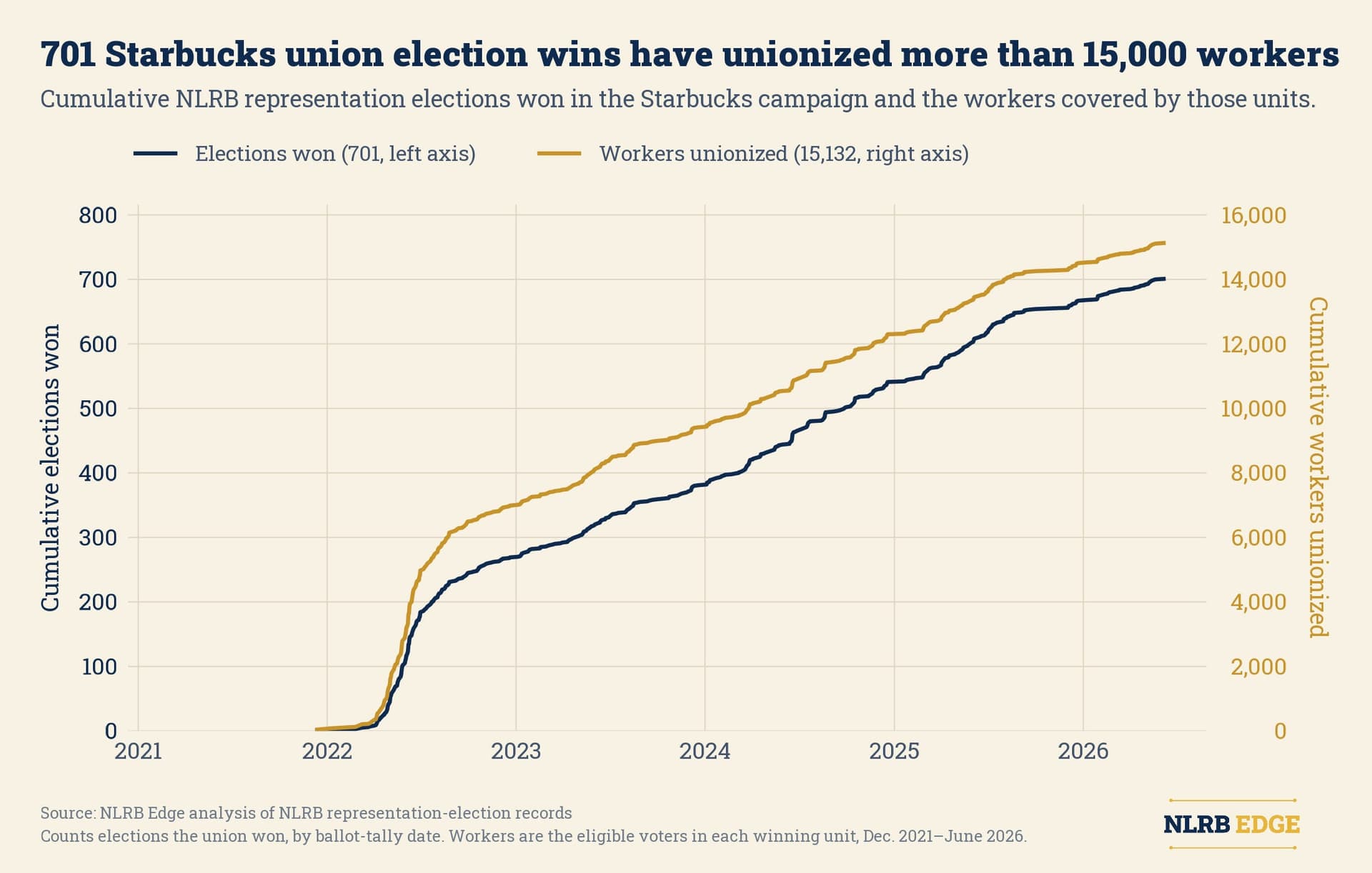
The Evanston Dempster Street Starbucks has been part of that conflict for months. During the November 2025 strike, workers said the store had about 20 members of Starbucks Workers United and that average pay ran roughly $17 to $19 an hour. The union said more than 1,000 baristas in 65 stores across 40-plus cities launched an open-ended unfair labor practice strike on Nov. 13, 2025, timed to Red Cup Day, the company’s reusable-cup promotion. Starbucks said the walkout affected less than 1% of its stores and that Red Cup Day sales were ahead of projections.
Workers United has said Starbucks has refused to put forward new proposals on wages, staffing and hundreds of unfair labor practice charges. In Evanston, the Dempster Street store later reopened on a part-time basis in February 2026, but the union said the dispute remained unresolved. That leaves the local store in a familiar Starbucks bind: one side trying to normalize operations, the other trying to keep pressure on until a contract closes the gap between company messaging and what baristas say they experience on the floor.
For store managers and shift supervisors, the message from Evanston is blunt. A labor dispute that once looked contained to bargaining sessions can become a public test of how much city leaders, customers and the broader community are willing to tolerate before the company settles.
This article was produced by Prism’s automated news system from verified source data, official records, and press releases, then run through automated quality and moderation checks before publishing. The system is built and supervised by the people who set the standards it runs under. Read our full AI policy.
Did this article answer your question?