NLRB says Starbucks broke labor law over dress code, strike questions
The NLRB said Starbucks crossed the line twice: by tightening dress-code enforcement in Portland and by questioning Seattle workers about planned strikes.
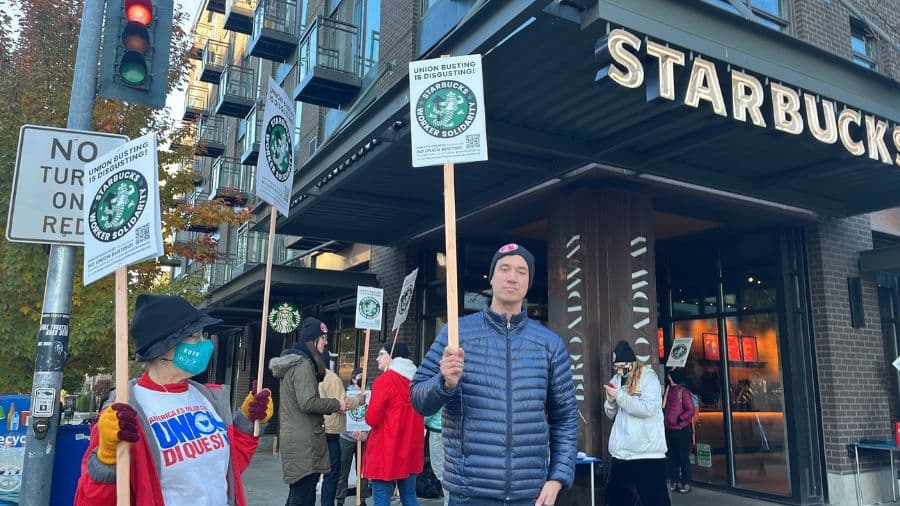
Starbucks store managers now have a clearer warning about where routine enforcement stops and labor law begins. In two new rulings issued June 5, 2026, the National Labor Relations Board said Starbucks violated federal labor law when it more strictly enforced its dress code at a Jantzen Beach store in Portland, Oregon, and when supervisors questioned workers at two Seattle stores about whether they planned to join strikes.
The dress-code case matters because the Board treated the issue as more than a style rule. A majority said Starbucks made a unilateral change to a mandatory subject of bargaining by tightening enforcement without first giving the union notice and a chance to bargain. The Board ordered the company to expunge related discipline from employee records, rescind the unilateral policy changes, and stop disciplining workers for their support of the union. One Board member, Republican Scott Mayer, said in a footnote that he did not believe the General Counsel had shown an unlawful policy change.
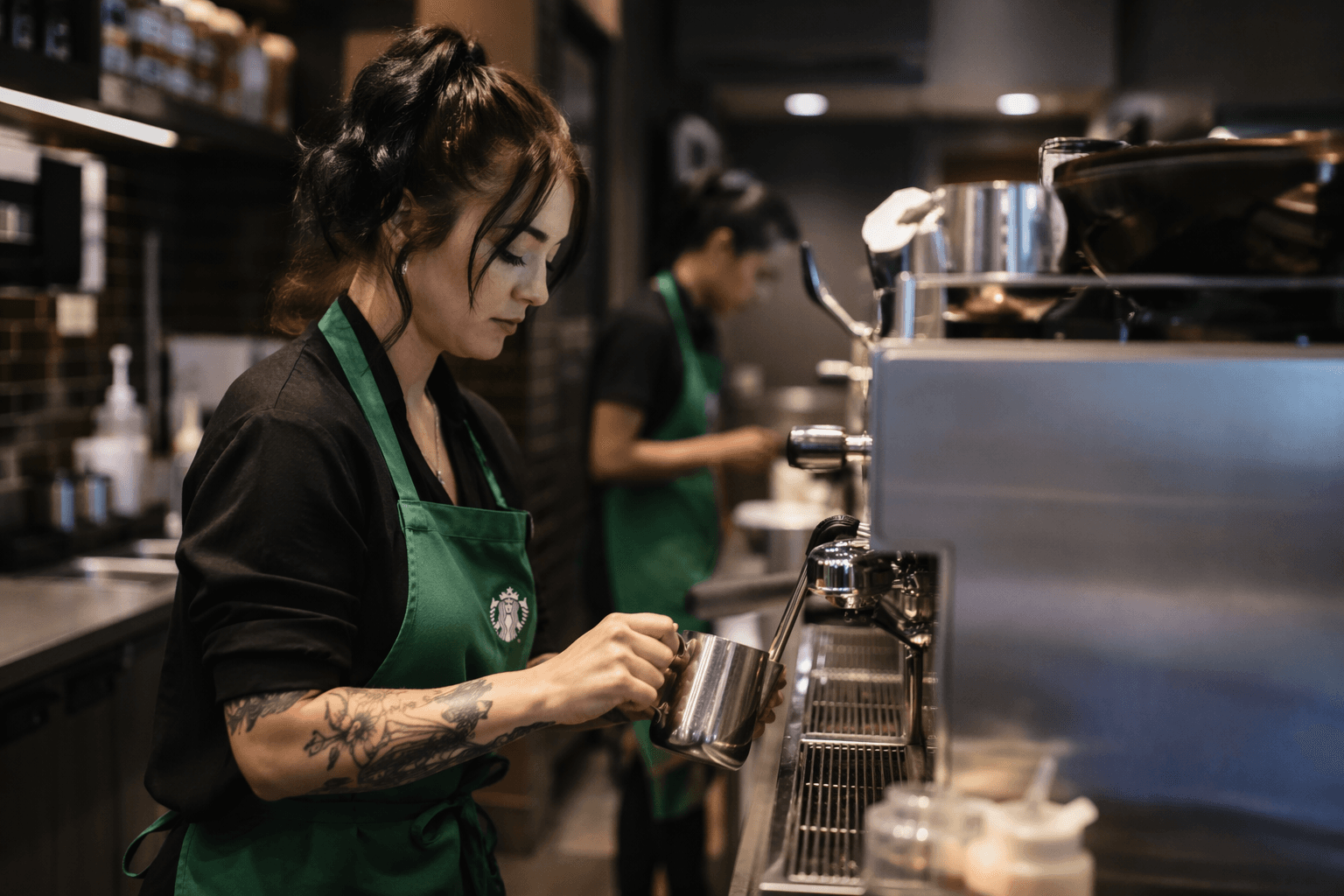
For baristas and shift supervisors, the practical point is straightforward: a dress-code violation can turn into an unfair labor practice case when it is tied to organizing activity, discipline, or a change in how the rule is enforced. Starbucks’ own 2025 dress-code materials say partners who come to work out of dress code will not be permitted to start their shifts, and that failure to comply can lead to corrective action, including separation from employment. That makes the stakes immediate on the floor, where a manager’s decision about whether someone can clock in can affect wages, coverage, and the rest of the shift.
The Board also ruled against Starbucks over strike-related questioning in Seattle. It upheld a 2024 decision by administrative law judge Brian Gee, finding that asking employees from April to July 2023 whether they planned to participate in planned strikes amounted to unlawful interrogation. The Board ordered Starbucks to stop coercively questioning employees about protected concerted activity and to post notices informing workers of the violations.
The rulings fit into a broader fight that has already changed daily life inside Starbucks stores across the country. Starbucks Workers United says it has organized more than 12,000 workers at nearly 700 stores, with the campaign beginning in Buffalo in 2021. For store leaders, that means ordinary conversations about uniforms, discipline, coverage, and strike planning can carry legal risk when union activity is in the background.
The Board’s message is that Starbucks cannot treat labor activity like just another operational problem. In union stores especially, managers who enforce dress code, ask about work stoppages, or document discipline need to know that the same action can look routine on one day and unlawful on another, depending on what workers are doing together.
This article was produced by Prism’s automated news system from verified source data, official records, and press releases, then run through automated quality and moderation checks before publishing. The system is built and supervised by the people who set the standards it runs under. Read our full AI policy.
Know something we missed? Have a correction or additional information?
Submit a Tip