Pocan blasts Starbucks CEO pay as barista wages lag and profits fall
Pocan spotlighted a $30.99 million Niccol package as Starbucks said baristas’ median full-time pay was $32,000 and fiscal 2025 EPS fell 51%.

Rep. Mark Pocan put a sharp number on Starbucks’ labor problem: Brian Niccol took home $30,992,773 in fiscal 2025 while the median full-time barista salary was $32,000. For workers still fighting over staffing, hours and a first contract, the gap lands at the same time Starbucks is telling investors its turnaround is still under pressure.
The company’s own filings show why the debate has not gone away. In fiscal 2024, global comparable store sales fell 2%, consolidated net revenues rose just 1% to $36.2 billion, and GAAP earnings per share dropped 8% to $3.31. Starbucks said results reflected a pronounced traffic decline, a cautious consumer environment, and competitive and macro pressure in China. On Oct. 22, 2024, the company suspended fiscal 2025 guidance while it reset the business under Niccol’s “Back to Starbucks” strategy.
By fiscal 2025, Starbucks said revenue reached $37.2 billion, but GAAP earnings per share fell 51% to $1.63 and GAAP operating margin narrowed to 7.9%. That is the backdrop for a pay package that has become an easy target for critics who see one set of numbers for the top office and another for the people making drinks, taking orders and keeping stores moving.
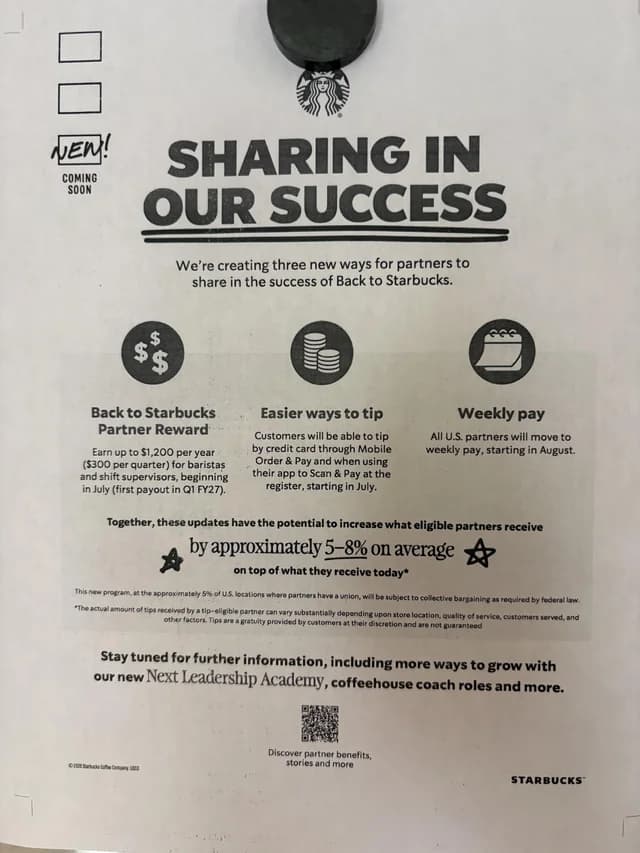
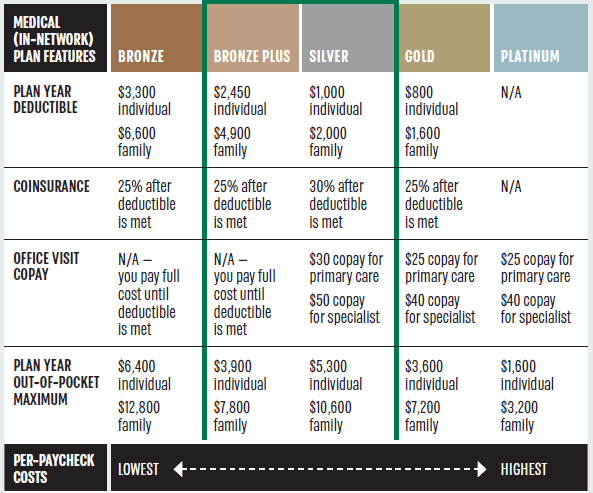
The wage gap is even more visible inside Starbucks’ own compensation disclosures. The company said the average hourly wage for U.S. hourly partners was $18.73 in fiscal 2024, with an average total compensation package of about $30 per hour. Against that, the median full-time barista salary of $32,000 underscores how far the front line remains from the kind of money Niccol is collecting at headquarters. Starbucks’ 2026 proxy materials, filed ahead of the March 25, 2026 annual meeting, included an advisory say-on-pay vote and shareholder proposals asking for reports on compensation and benefits gaps.
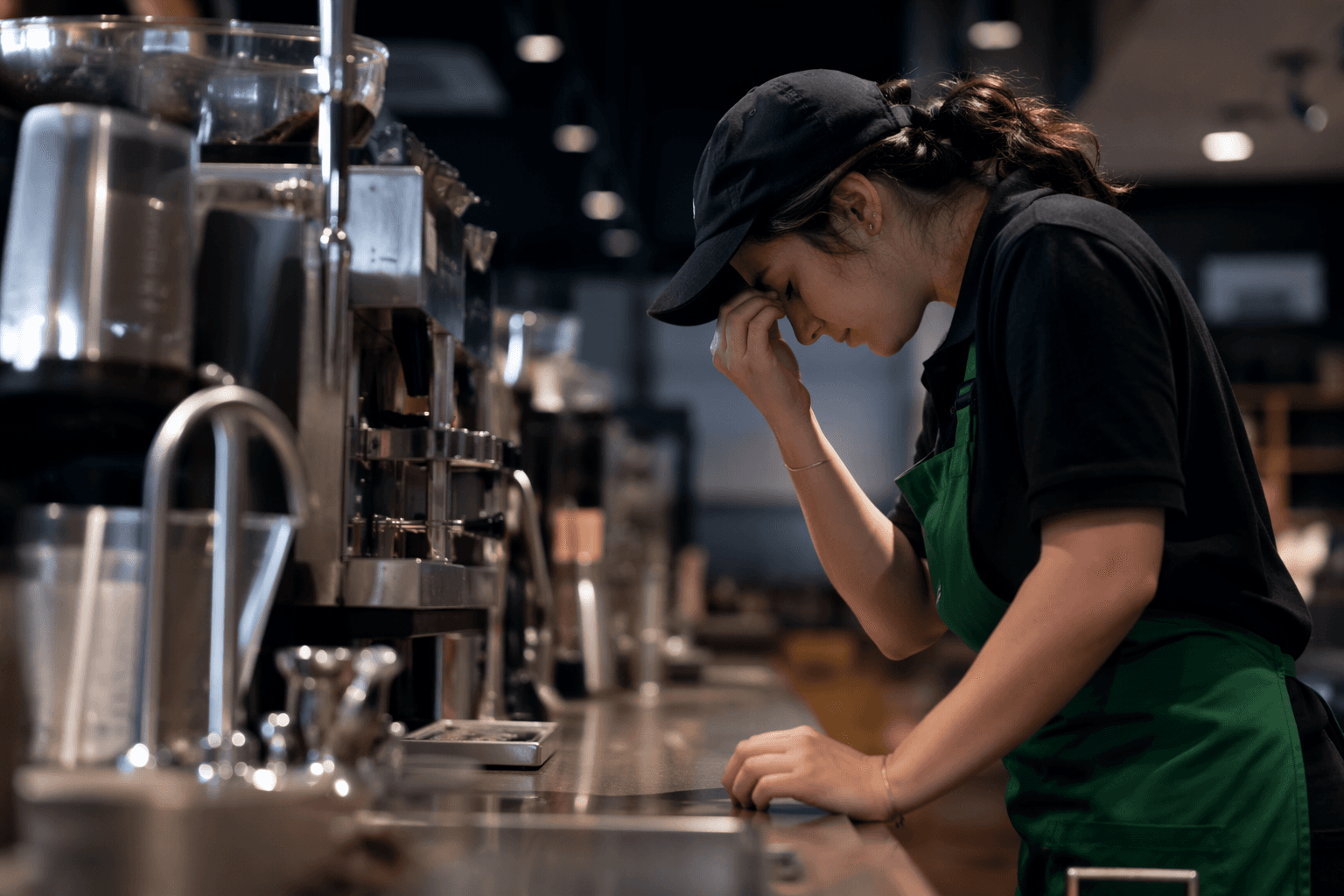
Starbucks also kept returning cash to shareholders, including $2.8 billion in dividends and a 15th consecutive annual dividend increase. That makes the company’s internal case harder to defend to employees who are still being asked to accept tighter schedules, uneven hours and a slower path to meaningful wage gains.
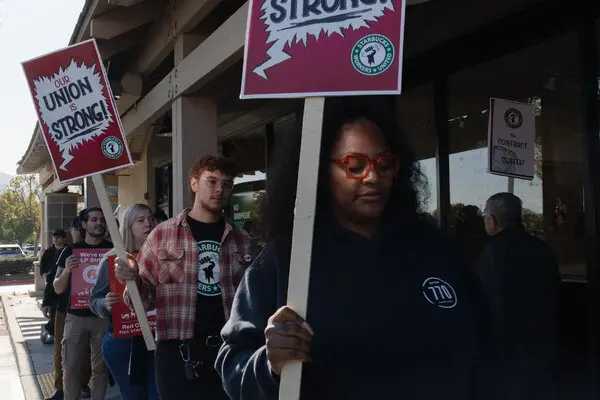
The labor pressure has not let up. More than 100 lawmakers urged Starbucks in November 2025 to resume bargaining with Starbucks Workers United, and the Congressional Labor Caucus has repeatedly pushed for a fair first contract. Workers United has framed the fight around better staffing, higher pay and predictable schedules, and Starbucks has said it was investing in staffing and hours while citing record-low partner turnover. For baristas and shift supervisors, the question is whether the company’s money is going to the stores that need it most, or to the executive suite and shareholders first.
This article was produced by Prism’s automated news system from verified source data, official records, and press releases, then run through automated quality and moderation checks before publishing. The system is built and supervised by the people who set the standards it runs under. Read our full AI policy.
Did this article answer your question?