Starbucks outlines its labor stance as union campaign grows
Starbucks said its pay and benefits were strong, but by 2025 the union fight had already reached strikes, mediation and unresolved contract talks.
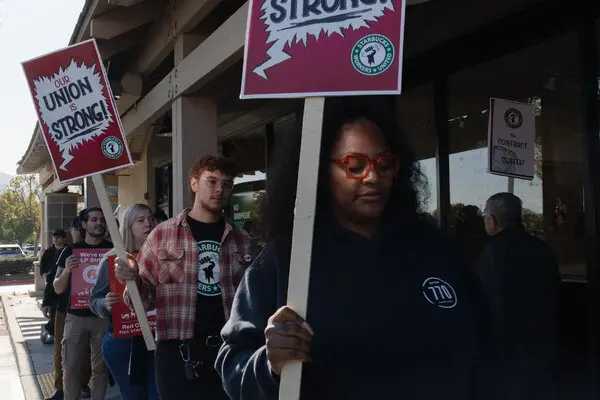
Starbucks’s labor fight had moved far beyond store chatter by the time contract talks stalled in 2025. Partners were left weighing the company’s claim that it already offers strong wages and benefits against a union campaign that had reached strikes, legal rulings and a mediator, with no collective bargaining agreement in place.
What Starbucks says its labor stance is
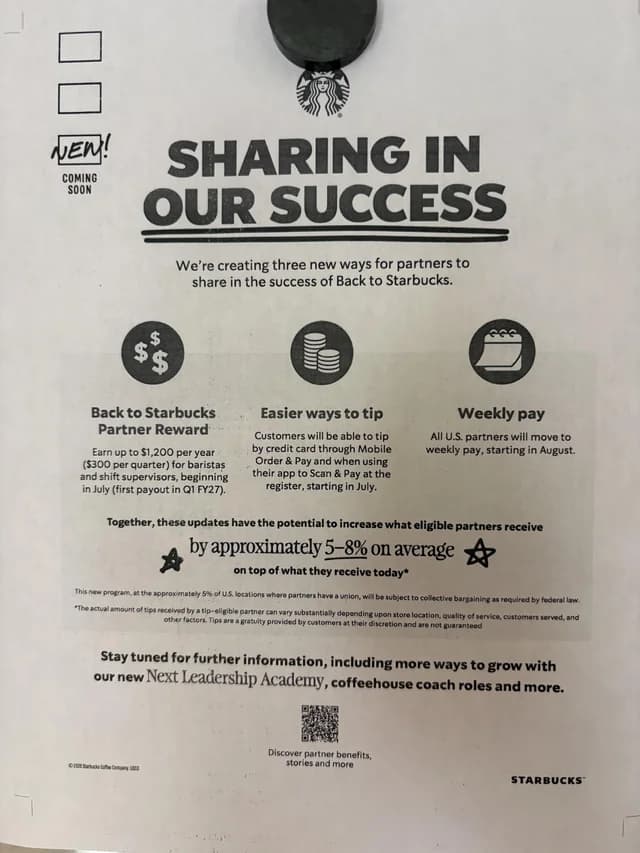
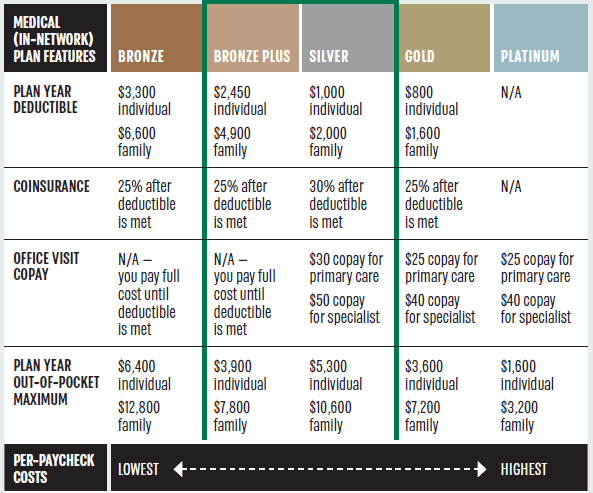
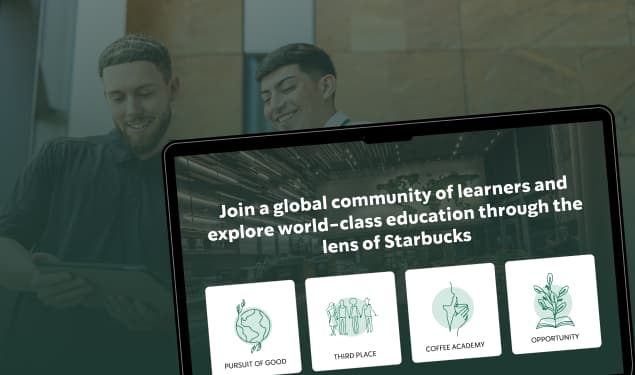
Starbucks’s public framing is straightforward: the company says it offers competitive pay and benefits and wants to communicate directly with employees about its mission, values and workplace offerings. That message matters because it is the company’s own explanation for why partners do not need a union to fix pay or working conditions.
For baristas, shift supervisors and store managers, the practical question is not the wording of the company’s labor stance but what it covers on the floor. The unresolved issues that keep surfacing in the campaign are the ones that shape a shift every day: pay, staffing, scheduling, discipline and who gets a real voice when managers change policies or enforce them unevenly.
How the campaign started in Buffalo
The modern Starbucks union drive began in Buffalo, New York, in 2021. On Dec. 9, 2021, workers at a Buffalo store voted to unionize, becoming Starbucks’s first unionized U.S. store since the 1980s. That win became the launch point for a much wider organizing wave across the chain.
Starbucks Workers United has described the movement as a worker-led campaign that started in Buffalo and spread store by store. The union’s X account later described Starbucks Workers United as a worker-led union of 12,000-plus Starbucks partners, a scale that helps explain why the dispute stopped being a local organizing story and became a national labor fight.
The pressure was already visible by Nov. 17, 2022, when Starbucks U.S. workers at 100 stores planned a one-day walkout. That kind of action signaled that partners were not only seeking recognition, but also trying to force attention on day-to-day concerns that can pile up quickly inside a fast-moving café environment.
Where bargaining got stuck
By Jan. 28, 2025, Starbucks and its workers’ union still had not reached a collective bargaining agreement. Two days later, Reuters reported that Starbucks and Workers United agreed to bring in a mediator for contract talks, a sign that direct negotiations had not gotten them to a deal.
The numbers on wage demands showed how wide the gap had become. On Dec. 22, 2024, Workers United said its proposals called for an immediate 64% increase in the minimum wage of hourly partners and 77% over the life of a three-year contract. On April 25, 2025, the union rejected Starbucks’s recent offer of at least a 2% annual pay raise.
That gap matters on the floor because contract bargaining is not abstract for hourly partners. It shapes whether a shift feels stable enough to plan around, whether staffing levels can keep up with customer demand and whether managers have a real answer when workers ask what is coming next for pay progression and hours.
Why the legal fights mattered inside stores
The conflict was not only about wages. It also reached labor law fights over how Starbucks responded to organizing inside stores. On July 24, 2023, an NLRB judge ruled that Starbucks illegally fired a Manhattan store supervisor over union activities. On Oct. 6, 2023, a judge ordered Starbucks to disclose spending tied to its response to the union campaign.
Then, on March 28, 2024, the D.C. Circuit ruled that Starbucks violated labor law by barring pro-union buttons. For partners, that ruling mattered because it went directly to what can be worn or displayed on shift and how visible pro-union support can be inside a store.
Taken together, those rulings showed why many workers view the campaign as more than a pay negotiation. They also raised basic workplace questions about speech, discipline and whether managers can draw the line between normal dress-code enforcement and retaliation for union support.
How the fight escalated into strikes
By late 2024, bargaining had turned into open labor action. On Dec. 17, 2024, Starbucks Workers United authorized a potential U.S. strike. Three days later, striking workers were targeting stores in Los Angeles, Chicago and Seattle, giving the campaign a visible footprint in major markets.
The pressure increased again on Dec. 24, 2024, when the strike was set to expand to more than 300 U.S. stores on Christmas Eve. That timing mattered for store floors because the holiday period is one of the most demanding stretches of the year, with heavier customer traffic, tighter production windows and little room for staffing mistakes.
Starbucks’s own January 2025 update said Workers United had voted to authorize a strike. That put the company’s public bargaining message in direct conversation with the union’s willingness to use pickets and strike threats to push for a better deal.
What partners were navigating in real time
For partners, the biggest takeaway from Starbucks’s labor stance is that the company was trying to keep the conversation centered on its own view of wages, benefits and direct communication, while workers were pressing for a contract that could lock in pay gains, hours protections and other shop-floor safeguards. The dispute also created uncertainty around how management would handle discipline, pin policy, scheduling and other local decisions while the campaign continued.
That is why Starbucks’s public framing matters inside stores even when it sounds corporate. It is the baseline message partners get from the company, but the legal rulings, the walkouts, the strike votes and the stalled bargaining show why so many workers kept asking for something stronger than a promise.
This article was produced by Prism’s automated news system from verified source data, official records, and press releases, then run through automated quality and moderation checks before publishing. The system is built and supervised by the people who set the standards it runs under. Read our full AI policy.
Did this article answer your question?