Starbucks benefits hub explains health, mental health and family support
Starbucks’s benefits hub bundles health, mental health, family support and tuition help, but store hours and eligibility rules decide who can actually use them.
Starbucks’s benefits package looks broad on paper, but the real test for partners is whether store schedules, hour audits and enrollment timing let them keep it. The company’s U.S. Partner Benefits site pulls the key plans into one place, yet access still hinges on the same floor-level realities that shape paychecks, tip income and shift stability.
What the hub actually puts in one place
Starbucks presents the Partner Benefits site as a single overview of employee benefits for U.S. partners. That matters in a company where workers often piece together information from onboarding, managers and separate benefit pages while trying to hold down a schedule that can change week to week. The hub is meant to show the package as a whole, not as scattered fragments.
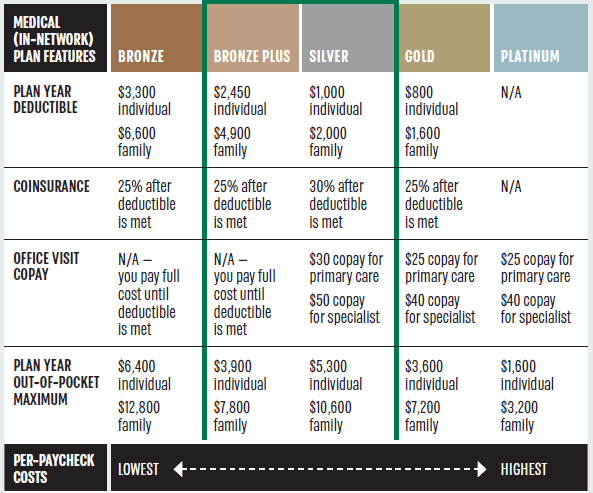
The health-benefits page lists medical, dental and vision coverage, life insurance, short- and long-term disability, spending accounts, supplemental life insurance and accidental death and dismemberment coverage. For benefits-eligible partners and their eligible dependents, Starbucks says the medical, dental and vision plans come with coverage choices, including different coverage levels and insurance carriers. For a barista trying to budget around rent, school or childcare, the practical issue is not just whether a benefit exists, but whether the plan options fit the price point and the life outside the store.
Where access gets complicated on the floor
The biggest friction point is eligibility. Starbucks says some benefits are available upon hire, including Lyra Health, Backup Care Benefit, Headspace, Spotify premium membership, sick time and the food-and-beverage benefit for all store partners. That helps with early retention, but it also shows that not everything in the package is automatic, and not every benefit arrives on the same timeline.
The company’s benefits audit calendar adds a harder threshold for U.S. mainland partners: they must have at least 520 total hours for each audit to remain eligible for benefits. Starbucks defines those total hours as benefit hours plus leave-of-absence hours, and says benefit hours include paid time off such as vacation and sick time. In practice, that means hours on the schedule, protected leave and even paid time off can all matter when someone is trying to stay benefit-eligible through a slow season, reduced availability or a manager-driven schedule cut.
For store workers, that is where policy meets day-to-day operations. A benefits page can say a partner is eligible, but a shift plan built around labor targets, school conflicts or child care gaps can make it hard to stay at the 520-hour mark long enough to keep coverage.
Health coverage, mental health and backup care
Starbucks’s health-benefits structure is broad enough to cover the basics and some of the gaps that food-service workers often face. The company lists medical, dental and vision insurance alongside life insurance, disability coverage and spending accounts, which gives partners a route to coverage beyond just an emergency room visit or a prescription refill. For many workers, the key detail is that the company says eligible partners can choose the coverage they want at a price that works best for them.
Mental health support is built into the package in a more direct way than many retail jobs. Starbucks says the careers site includes 20 free, confidential mental-health coaching and therapy sessions each year for the partner and each eligible family member, plus free access to Headspace. The Lyra mental-health benefit goes further on the family side, with 20 free in-person or video sessions each fiscal year for each eligible family member. That can matter for partners balancing split shifts, customer pressure and the unpredictable stress that comes with variable hours.
Backup care is another benefit with clear store-floor value. Starbucks says the backup-care benefit is meant to help when regular care arrangements fall through, and its partner-and-family support pages tie it to family sick time, paid parental leave and mental-health support. Starbucks first introduced subsidized backup child care and senior care in 2018, and The Seattle Times reported at the time that the company would heavily subsidize up to 10 days a year of backup child and senior care for more than 180,000 U.S. employees. The idea is straightforward: if a child is sick, school is closed or an older relative needs help, the benefit is meant to keep one missed care arrangement from turning into a missed shift.
Education and the long-game pitch
Starbucks also uses benefits to sell something beyond the current schedule. Through the Starbucks College Achievement Plan, benefits-eligible U.S. partners can receive 100% upfront tuition coverage for a first-time bachelor’s degree through Arizona State University’s online program. The company says partners can choose from more than 100 undergraduate degree programs, and Starbucks Careers says the program has nearly 20,000 graduates and counting.
That education offer is one of the clearest signs that Starbucks is not only trying to cover a worker’s current needs, but also trying to keep them inside the company pipeline. For a shift supervisor or barista weighing whether Starbucks is a short-term stop or a longer-term job, the college benefit can be as important as the hourly wage, because it links today’s hours to tomorrow’s advancement.
Why this stays central in union stores
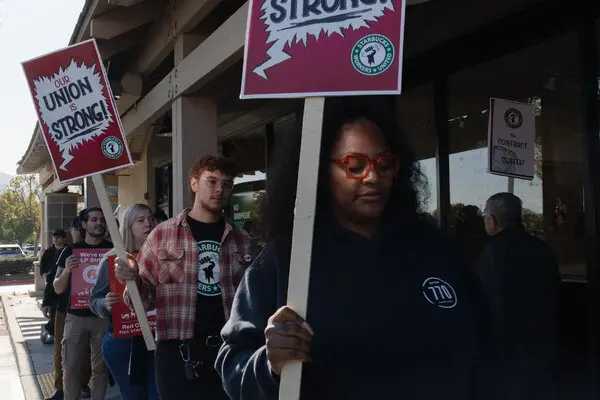
The benefits hub matters even more in the Starbucks Workers United era because workers now scrutinize whether the company’s promises match life on the floor. Benefits are not abstract in a union store. They are tied to hours guarantees, scheduling access and whether a partner can actually qualify for the plans the company advertises.
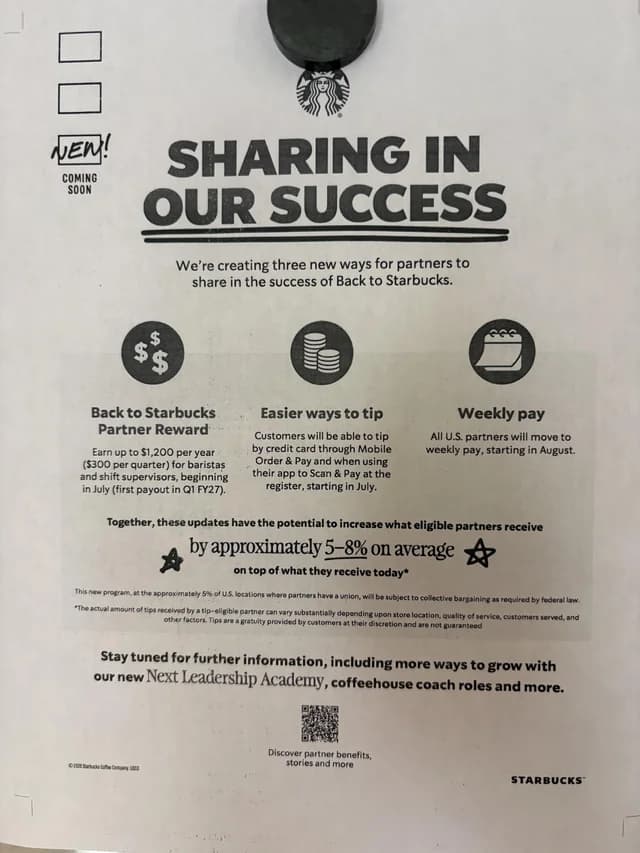
That tension showed up publicly in 2023, when Fortune reported that a Buffalo Starbucks barista and Starbucks Workers United member said she did not qualify for the company benefits Starbucks often touts. Eater also reported that when Starbucks announced wage and benefit improvements, Starbucks Workers United criticized the move as part of a union-busting campaign because the changes did not apply equally to unionized stores. Those disputes do not erase the benefit package, but they explain why workers look past the marketing language and focus on the eligibility rules, the hour audits and the manager decisions that determine who gets covered.
For partners, the benefits hub is useful because it gathers the full package in one place. The harder question is whether a given schedule, a given store and a given month will let that package stay within reach.
This article was produced by Prism’s automated news system from verified source data, official records, and press releases, then run through automated quality and moderation checks before publishing. The system is built and supervised by the people who set the standards it runs under. Read our full AI policy.
Did this article answer your question?