OSHA heat guidance puts Starbucks summer store safety in focus
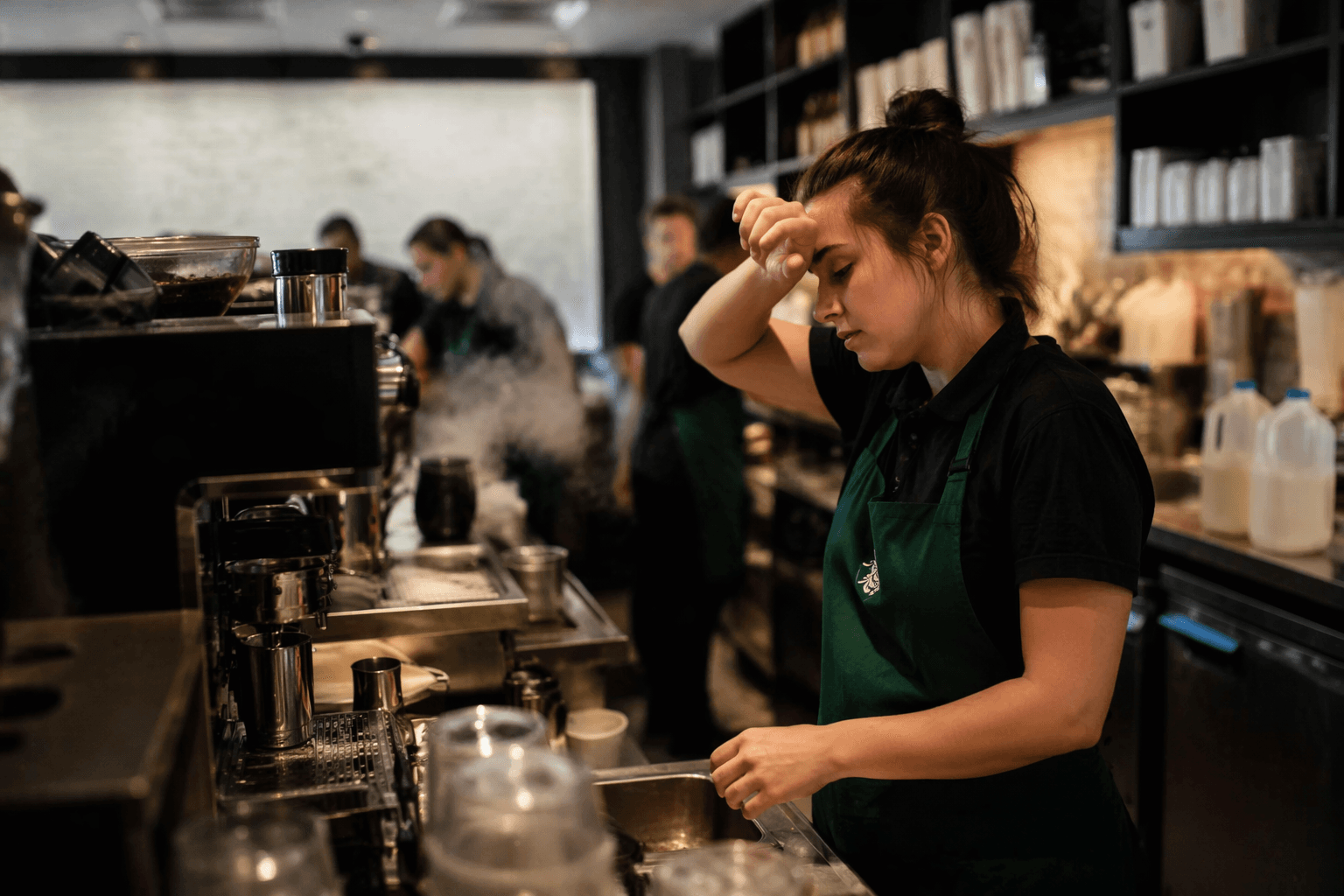
Starbucks stores get dangerously hot in places partners know too well: ovens, warming stations, dish pits, crowded handoff counters, patios, and rushes that leave no room to cool down.
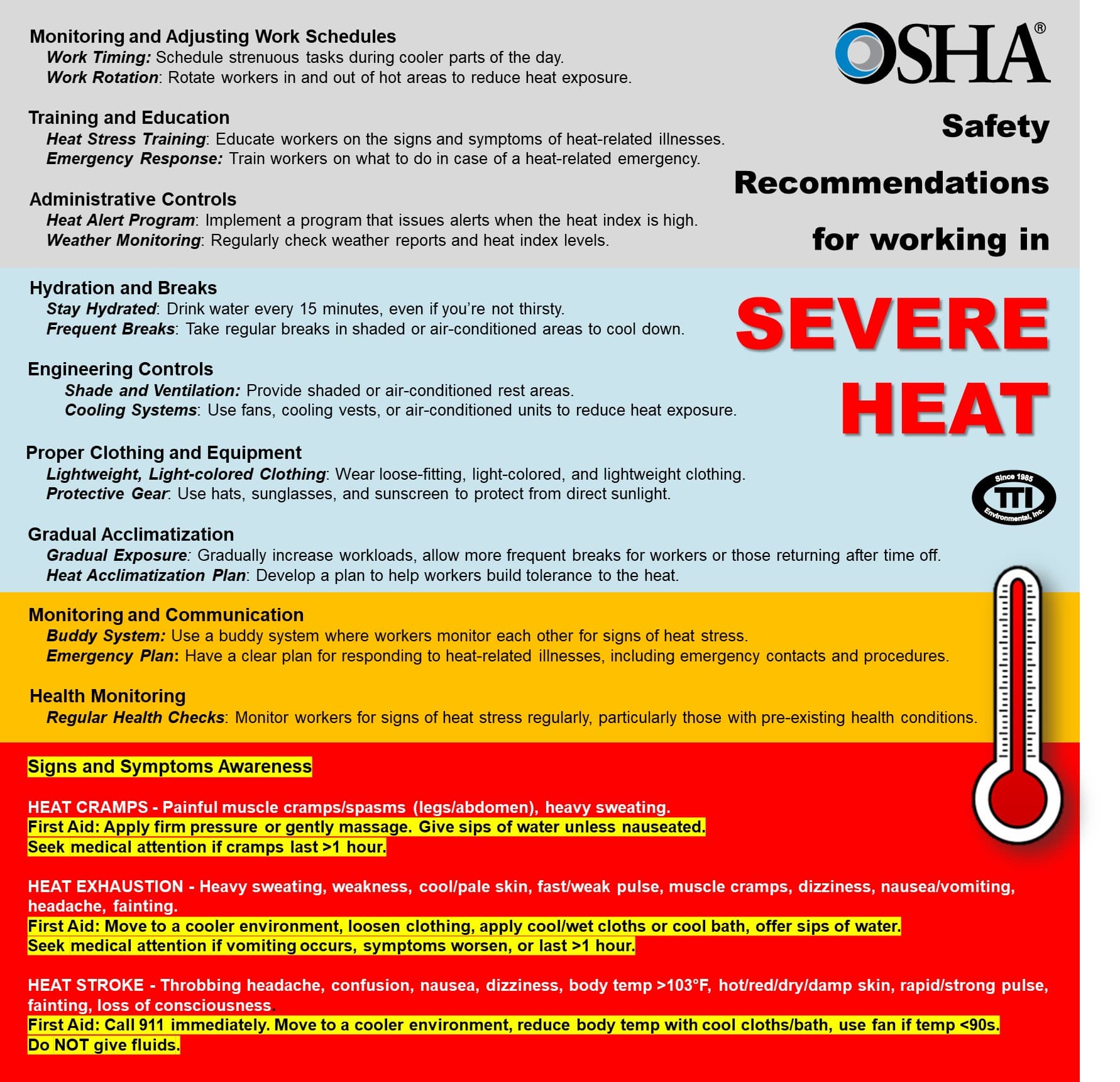
OSHA’s heat guidance is written for commercial kitchens, but it maps neatly onto the kind of summer strain Starbucks partners know from the floor. The agency says excessive heat can cause heat exhaustion and heat stroke, and the danger grows when ovens, steaming, dishwashers, crowded handoff areas, patio service, and nonstop rushes keep people moving with little chance to recover.
The hot spots inside a Starbucks store
The risk is not just whether the air conditioning is on. In a Starbucks, heat builds where bodies, equipment, and pace collide: behind the bar, by warming stations, near ovens, in dish areas, and at packed handoff counters where partners are trying to move drinks, food, and people at once. Patio service adds another layer when a store is already exposed to summer weather and a limited crew is trying to keep pace.
That matters because OSHA’s food-service guidance is aimed at exactly this kind of environment, where commercial kitchen heat can trigger heat stress-related illness. In retail food service, it is easy for discomfort to get normalized as part of the rush, especially when the store is short on labor or trying to hold the line during a busy block of daypart traffic. The safety question is not whether partners can push through. It is whether the store is set up so they do not have to.
What heat illness can look like on the floor
OSHA’s warning signs are plain-language for a reason: by the time heat stress gets severe, a worker may not be able to think clearly enough to call it out. Symptoms can include dizziness, blurred vision, nausea, a severe headache, confusion, collapse, and loss of consciousness. That is why the guidance puts such emphasis on catching problems early instead of waiting for someone to “shake it off.”
For Starbucks partners, that should change how a headache or wave of nausea is interpreted on a hot day. If a shift supervisor sees a barista slowing down, looking pale, getting confused about routine drink builds, or struggling to stand through a rush, that is not just fatigue to be ignored. It may be the first sign that the store has crossed from uncomfortable into unsafe.
What workers and supervisors should do first
OSHA’s first-aid guidance is direct: move the affected worker to a cooler area and cool them immediately. If symptoms do not improve quickly, emergency help is the next step. The agency also says workers should be trained on heat hazards, common symptoms, first aid, emergency medical procedures, and acclimatization for new workers.
That training should not be treated like a checkbox buried in onboarding. New hires, borrowed partners, and anyone returning after time away are especially vulnerable when they are suddenly dropped into a summer rush with ovens running and no real recovery time. The practical message for stores is simple:
- Watch for early signs such as dizziness, nausea, blurred vision, headache, confusion, or collapse.
- Move the worker to air conditioning or another cooler area right away.
- Give cool water and stop the task that is generating the heat load.
- Escalate quickly if symptoms do not improve.
- Make sure newer workers are acclimatized before they are expected to carry a full summer peak.
What managers should be adjusting before the heat peaks
OSHA does not just talk about symptoms. It says employers should assess hot-work environments and use engineering, work-practice, and administrative controls when possible. In Starbucks terms, that means looking at whether the store is actually giving partners enough rotation, water, breaks, and ventilation on extreme days, not just assuming the schedule will absorb the pressure.
The fix can be simple in concept, even if it takes discipline to carry out. Better airflow, task rotation, more deliberate staffing, and moving certain work away from the hottest spot in the store all fall within the spirit of OSHA’s guidance. A manager who leaves one person pinned to the oven or warming station for too long is not just running a rough shift. They are ignoring the basics of how heat illness is prevented.
This is where Starbucks’s own labor realities matter. Partners already live with constant debates over hours, staffing, tip changes, and whether stores are actually staffed to the workload. Heat stress turns those conversations from workplace politics into a safety issue. If the shift is thin, the drink bar is slammed, and the handoff plane is crowded, the store is more than just busy. It is putting bodies in a position OSHA says should be controlled.
Why the broader OSHA rulemaking matters
OSHA has also moved toward a broader heat standard for both outdoor and indoor workplaces. The agency proposed a Heat Injury and Illness Prevention standard for outdoor and indoor work settings on August 30, 2024, and said it could protect approximately 36 million workers. The proposal would apply to employers in general industry, construction, maritime, and agriculture under OSHA jurisdiction, with some exceptions.
The rulemaking process has already moved through an informal public hearing that ran from June 16 through July 2, 2025, followed by a post-hearing comment period that ended October 30, 2025 for people who filed a Notice of Intention to Appear. OSHA also says workers in indoor settings without adequate climate controls are at risk, especially where heat-generating machinery and processes create hazardous conditions without enough cooling. That broader push is a sign that food service and retail are no longer being treated as side cases.
What Starbucks already says about safety
Starbucks has its own internal occupational health and safety standard, and the company says it is reviewed, edited, and endorsed annually by senior leadership. One.Starbucks also has public store-safety messaging that highlights trainings and partner well-being. Neither is a heat policy by itself, but both show that Starbucks already frames safety as a companywide responsibility, not an improvisation left to individual stores.
That makes the gap between policy and practice worth watching. If a company says safety is a standard and a priority, then summer heat should show up in staffing decisions, break coverage, water access, and rotation plans, not just in a training deck. For workers in the middle of a rush, the question is whether the safety language reaches the floor before someone gets sick.
The checklist that matters when the store heats up
The best heat plan in a Starbucks is the one people can actually use in the middle of a rush. Workers should know the symptoms, managers should know when to pull someone out of the line, and stores should have a rhythm for water, breaks, and task rotation before anyone gets overwhelmed. OSHA’s guidance is useful because it strips the issue down to the essentials: recognize it early, cool the worker fast, and do not treat heat illness as business as usual.
For partners already navigating lean staffing, unpredictable hours, and the daily pressure of keeping a store moving, that benchmark is worth having. Summer will still be summer, but a Starbucks store does not need to turn heat into a preventable injury.
This article was produced by Prism’s automated news system from verified source data, official records, and press releases, then run through automated quality and moderation checks before publishing. The system is built and supervised by the people who set the standards it runs under. Read our full AI policy.
Did this article answer your question?