Seattle mayor walks back Starbucks boycott comments after Nashville move
Seattle’s boycott call collided with Starbucks’s Nashville plan, a shift that could send up to 2,000 jobs south while baristas stayed in the middle.
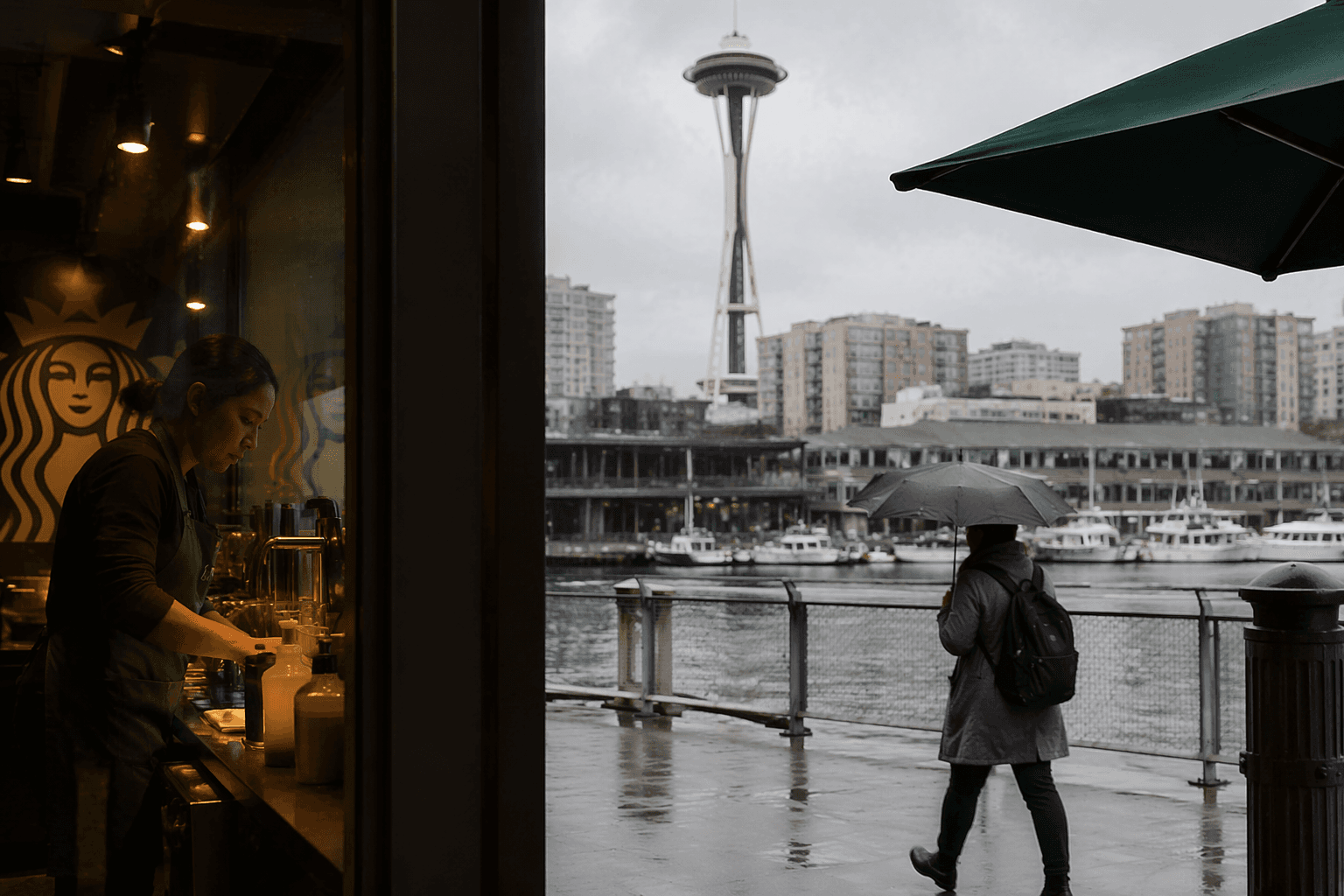
Seattle’s mayor has backed away from her call to boycott Starbucks, a reversal that highlights how quickly political theater can spill onto the shop floor. Katie Wilson said her boycott comments were a mistake after Starbucks announced a $100 million investment in a Southeast corporate office in Nashville that will employ up to 2,000 people over the next several years.
For Starbucks workers, the story cuts past city hall rhetoric and into day-to-day operations. The company was founded in Seattle’s Pike Place Market in April 1971, and Starbucks still says its global headquarters remain there. But the Nashville office is meant to support continued coffeehouse expansion and rising customer demand in the Southeast, while working closely with the Seattle headquarters. Brian Niccol, Starbucks’s chairman and CEO, said Nashville offers a deep talent pool, proximity to coffeehouses and suppliers, and a strong business climate.
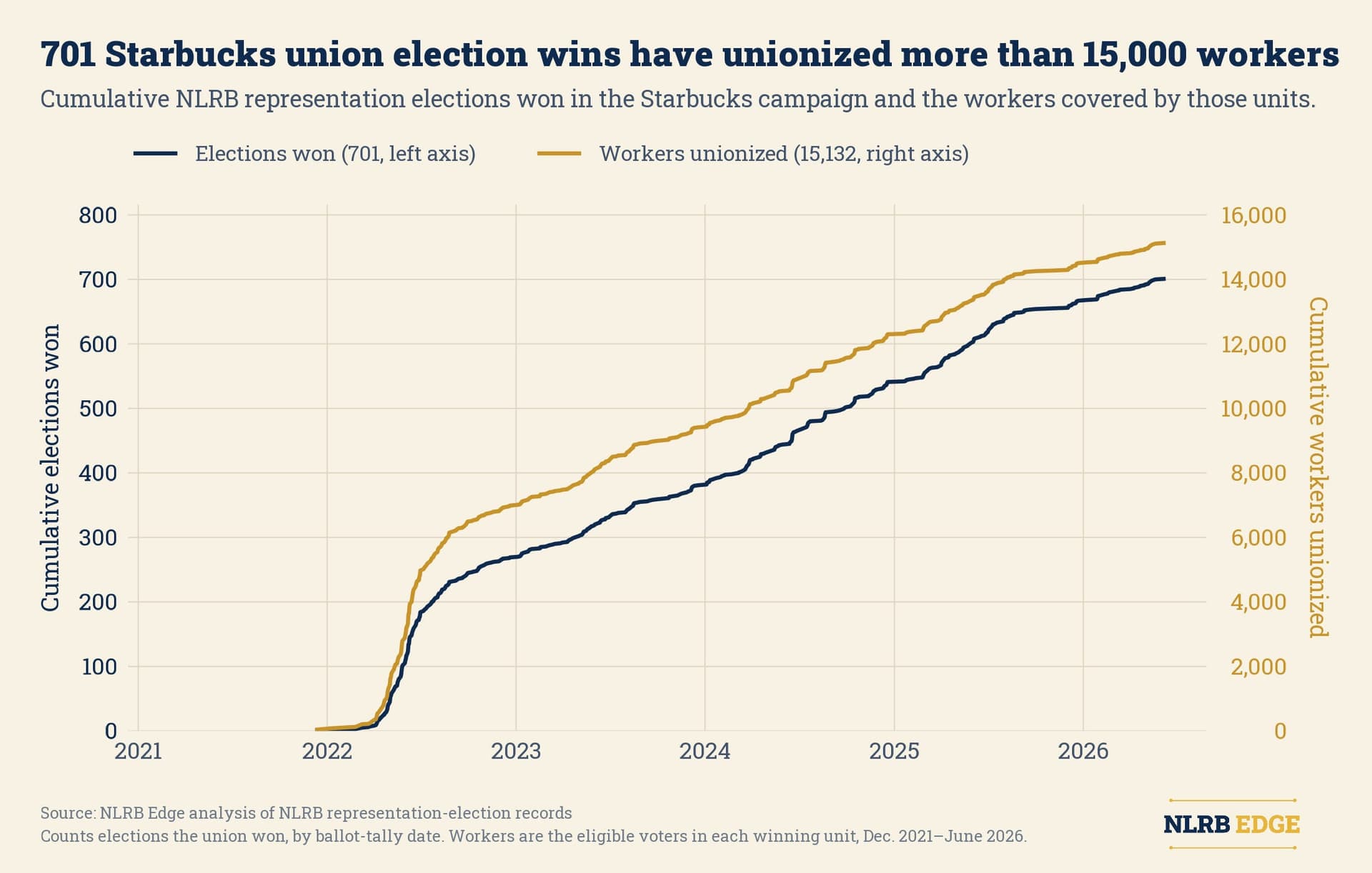
Wilson’s original boycott push came in November 2025, when she joined striking Starbucks workers on a Seattle picket line and told supporters, “I am not buying Starbucks and you should not either.” At the time, Starbucks Workers United was pressing for a contract, and the company was locked in a wider fight with its unionized workforce. Starbucks Workers United represents employees at more than 640 stores, and more than 1,000 Starbucks workers took part in strikes that began on Nov. 13, 2025, around the company’s Red Cup Day promotion.
That labor dispute remained unresolved as Wilson walked back her remarks. In a later interview with The New York Times, she said the boycott comments were “not productive” and “caused more harm than good.” That admission matters for the people who actually absorb the blowback: baristas who hear customers repeat the political line of the day, shift supervisors trying to keep a store moving through tense conversations, and store managers who have to protect service while the brand gets pulled into public protest.

The company has argued the strike never reached the scale organizers suggested, saying less than 1% of its coffeehouses experienced any level of disruption. Even so, the public boycott call turned Starbucks into a symbol in a labor fight that was already playing out at the counter and in bargaining rooms. Tennessee officials later approved up to $30 million in incentives for the Nashville project, a reminder that corporate expansion often brings taxpayer support even as workers in another city shoulder the political and economic fallout.
This article was produced by Prism’s automated news system from verified source data, official records, and press releases, then run through automated quality and moderation checks before publishing. The system is built and supervised by the people who set the standards it runs under. Read our full AI policy.
Did this article answer your question?