Starbucks adds scheduled ordering, reshaping pickup timing for stores
Starbucks is moving pickup to scheduled windows, forcing stores to plan the rush before customers arrive and raising the stakes on staffing, handoff flow and timing.

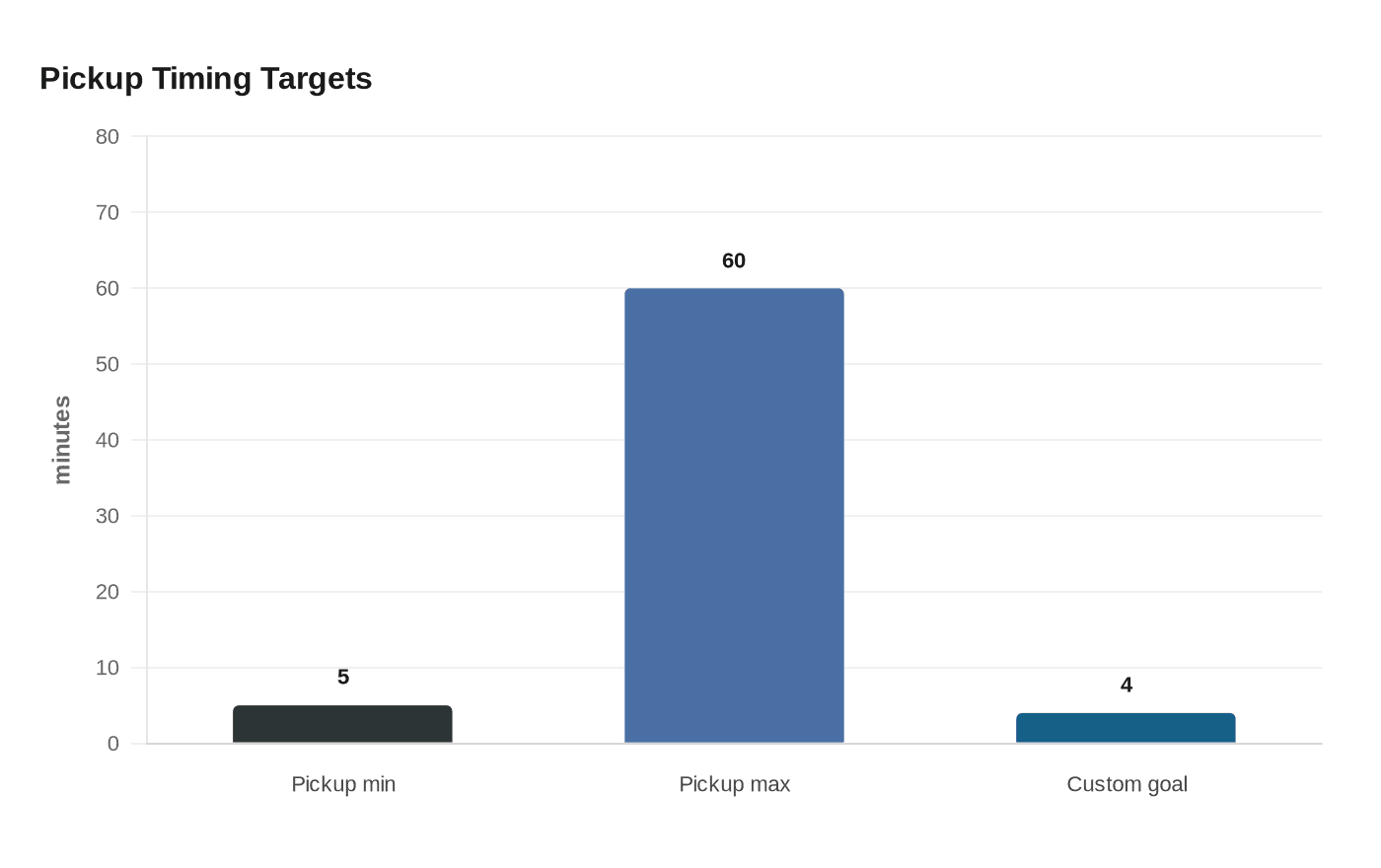
Starbucks is shifting pickup from a reactive scramble to a planned sequence, letting customers choose a five-minute window up to an hour ahead when they place a Mobile Order & Pay order. The feature began rolling out on May 11, 2026, across North America coffeehouses where Mobile Order & Pay is available, and Starbucks says availability may vary by location.
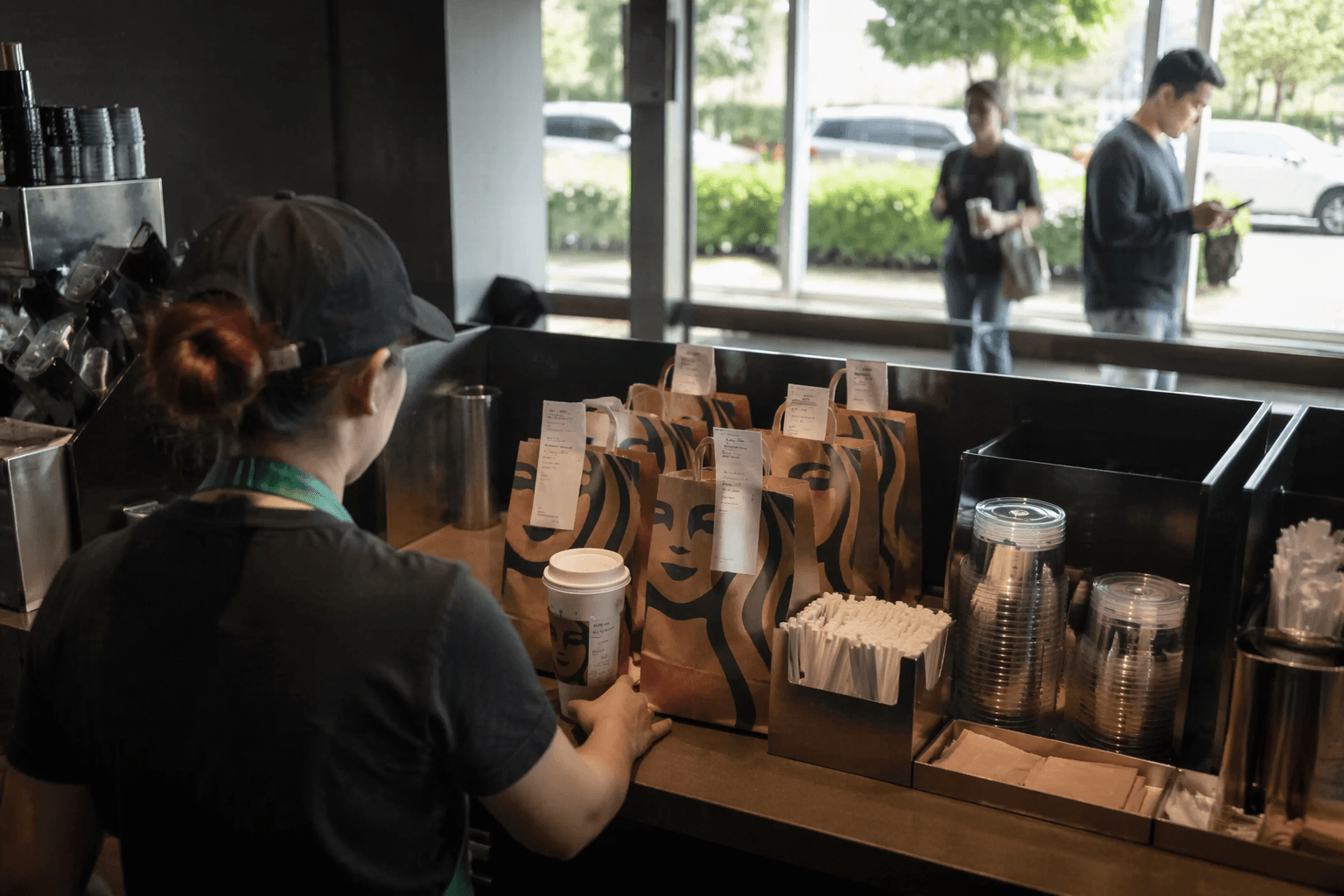
For store teams, that changes the shape of the day. The company says scheduled ordering is powered by Smart Queue, the algorithm that sequences and balances orders across café, Drive Thru and Mobile Order & Pay. That means the work is no longer just about clearing a line quickly once the tickets hit. It is about anticipating when those tickets will hit, how many will land in the same window, and whether the store can keep handoff from backing up when drive-thru traffic, café orders and mobile pickups collide.
The practical pressure point is the window itself. A customer who ordered for a precise pickup time is likely to expect a precise handoff, even if the café is slammed. That makes queue stacking, prep timing and partner communication more important on the floor, especially when several customers pick the same slot or when a store is already stretched. The company says customers can still order the way they always have, but the app now adds one more step: choose Pickup Time on the Review Order screen before arriving.
Starbucks has been building toward this kind of digital orchestration for years. Mobile Order & Pay was first tested in Portland, Oregon, in December 2014, expanded across the Pacific Northwest in March 2015, reached 3,400 more stores across 17 states that summer, and was available nationwide in more than 7,400 company-owned U.S. stores by September 22, 2015. Today, Starbucks says digital orders make up more than 30% of sales, which helps explain why the company is treating timing and sequencing as core store work, not a side function.
The rollout also fits into Green Apron Service, the operating model Starbucks said began launching across company-owned and operated U.S. coffeehouses in mid-August 2025 after an eight-week pilot in 1,500 stores. Starbucks said that pilot produced faster service, stronger customer connections and more engaged partners. Brian Niccol has said the company’s turnaround is aimed at making Starbucks “the world’s greatest customer service company again,” while also setting a four-minute goal for custom orders.
That goal lands differently on the floor when afternoon traffic is rising. Starbucks says U.S. coffeehouses are seeing more visits after 2 p.m., with the biggest gains between 3 p.m. and 5 p.m., and that Refreshers are now one of its top-selling beverage platforms, second only to espresso. As scheduled ordering pushes more of the daypart into digital time blocks, the real question for baristas, shift supervisors and store managers is whether the promised convenience smooths the rush or simply creates a new one that stores are not staffed to absorb.
This article was produced by Prism’s automated news system from verified source data, official records, and press releases, then run through automated quality and moderation checks before publishing. The system is built and supervised by the people who set the standards it runs under. Read our full AI policy.
Know something we missed? Have a correction or additional information?
Submit a Tip