Starbucks closes China joint venture, targets 20,000 stores over time
Starbucks handed Boyu a 60% stake in China and is weighing Japan options, signaling more overseas growth through partnerships as U.S. stores stay under pressure.

Starbucks closed its Boyu Capital joint venture in China on April 2, giving Boyu-managed funds a 60% stake while Starbucks kept 40% and retained the brand and intellectual property. If growth is happening overseas, what does that mean for partners in U.S. stores? In China, about 8,000 company-operated coffeehouses are shifting to a licensed operating model, and Starbucks says the market still has a long-term aspiration to reach as many as 20,000 locations.
Starbucks said the total value of its China retail business was expected to exceed $13 billion, a figure that includes sale proceeds, the value of its retained interest and the net present value of future licensing economics. Brian Niccol said the partnership would help Starbucks grow with “intention and discipline,” while Molly Liu has pushed for more hyper-localization through premium beverages, food, merchandise, digital engagement and store environments tailored to Chinese consumers.
Japan now looks like the next market where Starbucks may be reconsidering how much it owns directly. In June, the company was weighing options for its Japanese business, including a stake sale, in a move that could value the unit at 400 billion yen to 500 billion yen, or about $2.5 billion. That would mark a sharp turn for a market Starbucks fully bought in 2014, when it paid about $913.5 million for the remaining 60.5% of Starbucks Coffee Japan after operating there as a joint venture with Sazaby League since 1995.
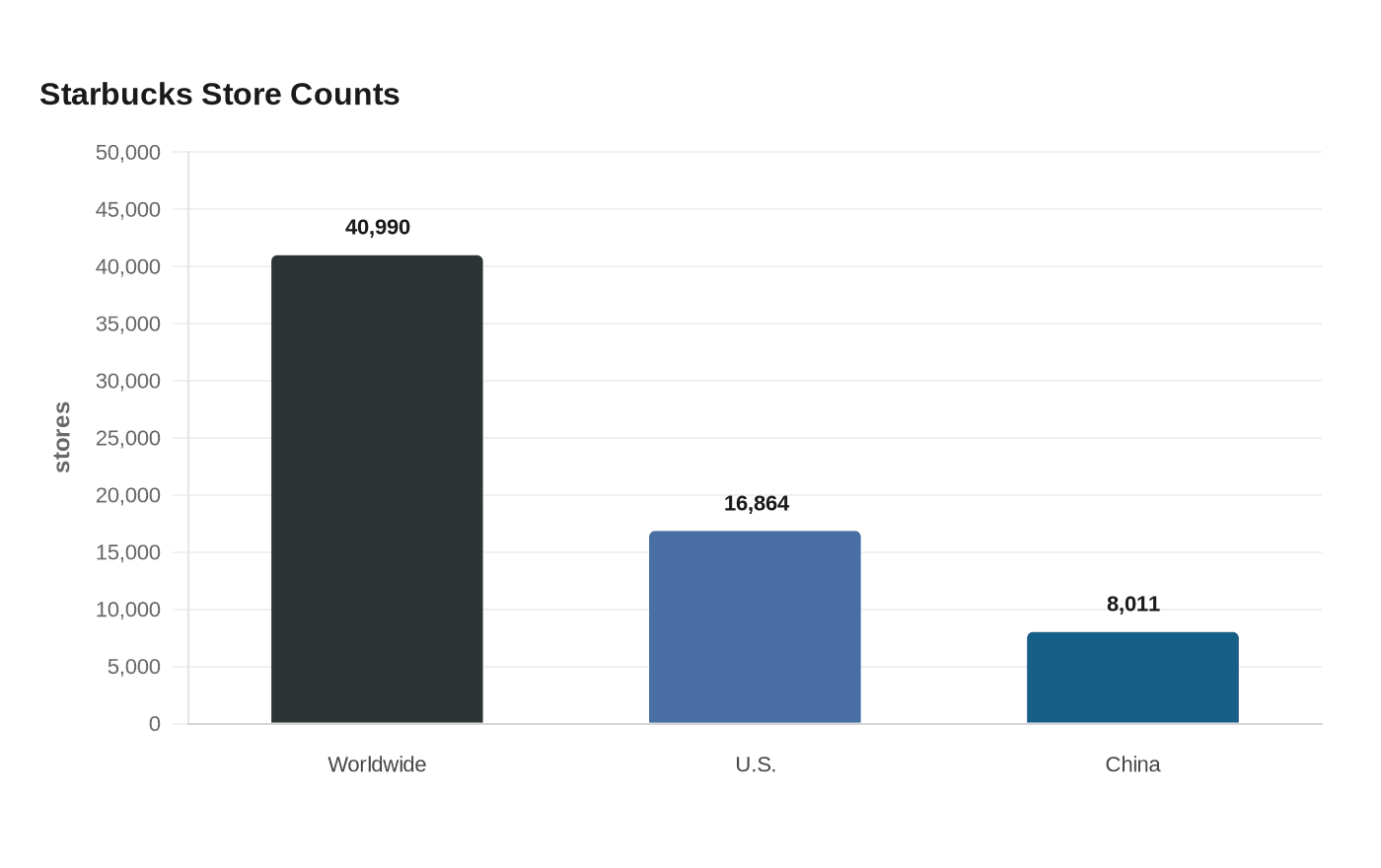
The backdrop is a global business that is still leaning on the U.S. and China more than any other markets. Starbucks ended fiscal Q4 2025 with 40,990 stores worldwide, including 16,864 in the U.S. and 8,011 in China, and those two markets together made up 61% of the company’s global portfolio. International comparable store sales rose 3% in the quarter, while China comparable store sales rose 2%, helped by a 9% increase in comparable transactions.
For U.S. partners, the signal is not that an overseas deal changes tomorrow’s shift, but that it changes where Starbucks is placing its long-term bets. The company said its broader turnaround was still absorbing restructuring costs, store closures and labor investments tied to Back to Starbucks, even as it looks for growth abroad through partnerships, licensing and ownership changes. That is the mix U.S. workers should watch: more capital discipline at the top, more pressure on the home market to prove it can still deliver.
This article was produced by Prism’s automated news system from verified source data, official records, and press releases, then run through automated quality and moderation checks before publishing. The system is built and supervised by the people who set the standards it runs under. Read our full AI policy.
Know something we missed? Have a correction or additional information?
Submit a Tip