Starbucks launches Reserve Rewards card for top-spending customers
Starbucks’ new Reserve tier asks customers to spend about $1,470 a year for a metal card, while baristas get no new perk and more loyalty traffic to manage.

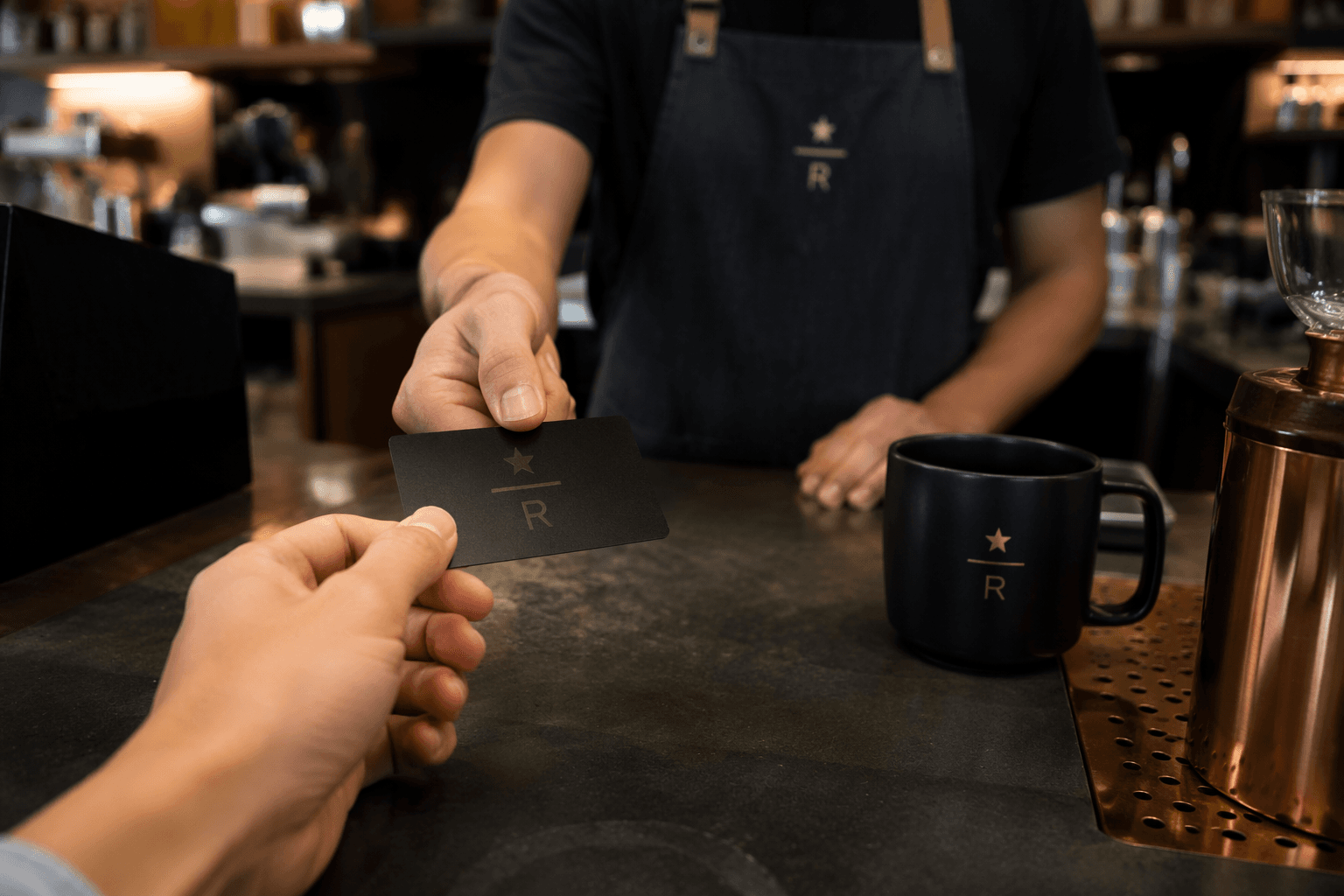
Starbucks rolled out a new Reserve Rewards card for customers who rack up 2,500 Stars in a rolling 12-month period, a threshold that works out to about $1,470 in annual spend. The metal card comes with customer-facing perks like a personalized Reserve Card, merch-shop access, Global Coffee Experiences and more Double Star Days, but it does not add any new benefit for baristas, shift supervisors or store managers who will have to carry the loyalty program at the counter.
The launch, which went live March 10, restored a tiered structure to Starbucks Rewards with three levels: Green, Gold and Reserve. Reserve sits at the top, while Gold now requires 500 Stars in a year. Starbucks says more than 35 million active members use the program, making even small shifts in earning rules meaningful for store traffic and order patterns across U.S. cafes.
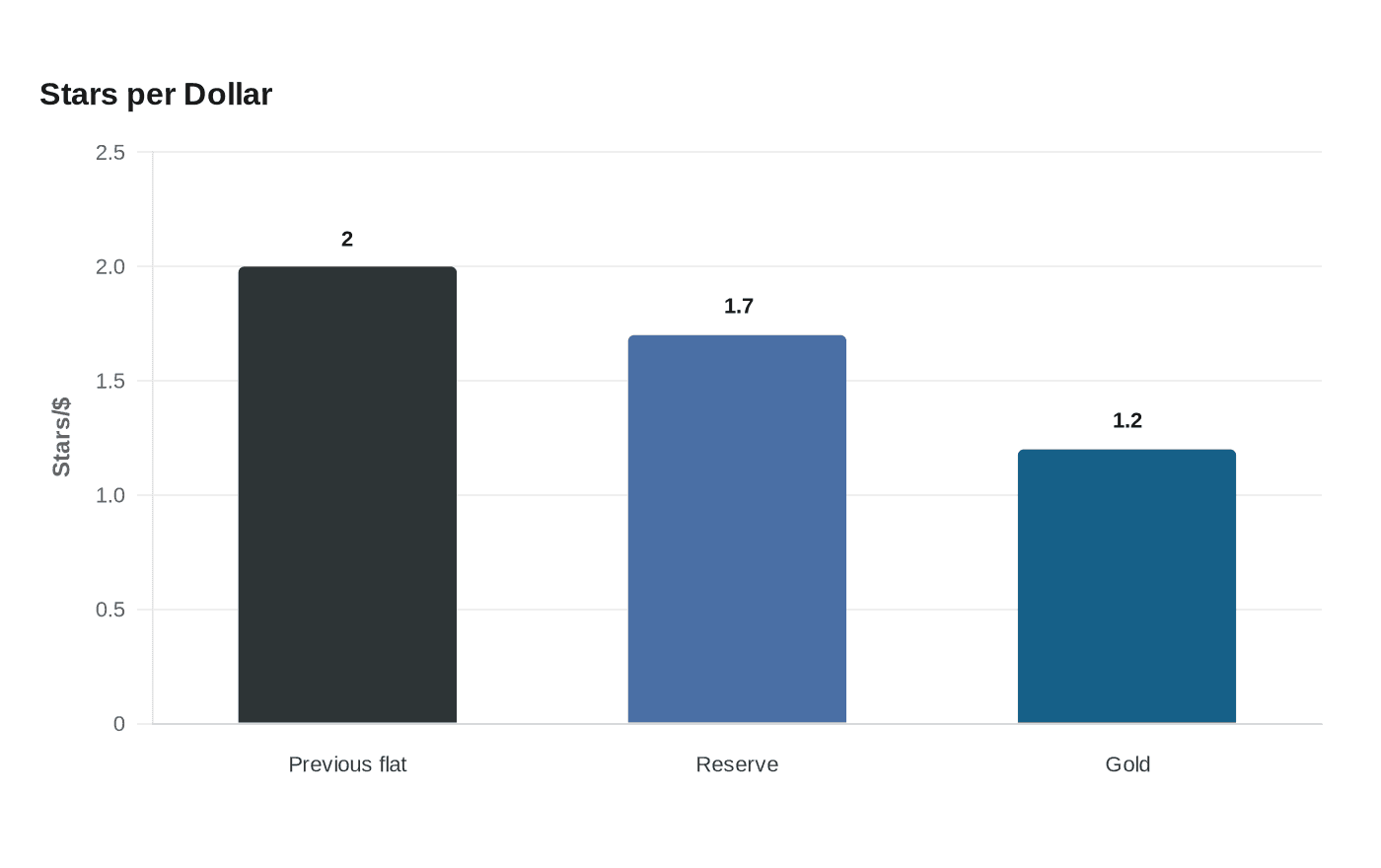
The bigger change is how Stars are earned. Starbucks moved the program away from a flat rate tied to payment type and toward spend-based earning. Reserve members earn 1.7 Stars per dollar, down from the previous flat 2 Stars per dollar rate, while Gold members earn 1.2 Stars per dollar. Starbucks says Green members can earn Stars from day one, qualifying reloads of $30 or more can earn Bonus Stars, and Gold and Reserve Stars never expire. Reserve members also get 30 days to redeem their birthday reward, plus six more Double Star Days per year than lower tiers.
For store workers, the operational pressure is likely to show up where loyalty already complicates the floor: peak periods, add-ons, and customers trying to maximize value from a program that now rewards frequency and spend more aggressively. Starbucks has framed the overhaul as a way to deliver more personalized value, drive spend and frequency, and focus discount dollars on what members value most. That can translate into more app use, more rewards questions at handoff, and more customers expecting the kind of premium treatment that a Reserve badge implies.
The card also marks a return to status tiers after Starbucks moved away from them, which explains some of the strong reaction from customers who see the new setup as more exclusive and less generous than the old flat-rate system. For partners, though, the badge lands as another layer of loyalty complexity in stores that are already balancing mobile orders, pay raises, tip changes, hours guarantees and the ongoing pressure from Starbucks Workers United organizing.
This article was produced by Prism’s automated news system from verified source data, official records, and press releases, then run through automated quality and moderation checks before publishing. The system is built and supervised by the people who set the standards it runs under. Read our full AI policy.
Know something we missed? Have a correction or additional information?
Submit a Tip