Starbucks cuts software costs, builds in-house AI systems
Starbucks is trying to trim about $400 million from annual software spend by replacing Microsoft and IBM tools with in-house AI, starting with inventory and maintenance systems.
Starbucks is building artificial-intelligence software to replace some Microsoft and IBM systems, with the company aiming to cut about $400 million a year in software costs. The first targets are inventory tracking and maintenance management, two back-of-house systems that can shape how stores order product, flag repairs and keep operations moving.
Chief Technology Officer Anand Varadarajan told workers the company saw “clear opportunities to reduce the spend in software.” The overhaul sits inside a broader $2 billion cost-cutting push and shows how far Starbucks is willing to go in its effort to bring more operating software under its own roof instead of paying outside vendors. Starbucks shares rose after the news, while IBM and Salesforce fell, a sign investors read the move as another step toward custom AI systems replacing standard enterprise software.
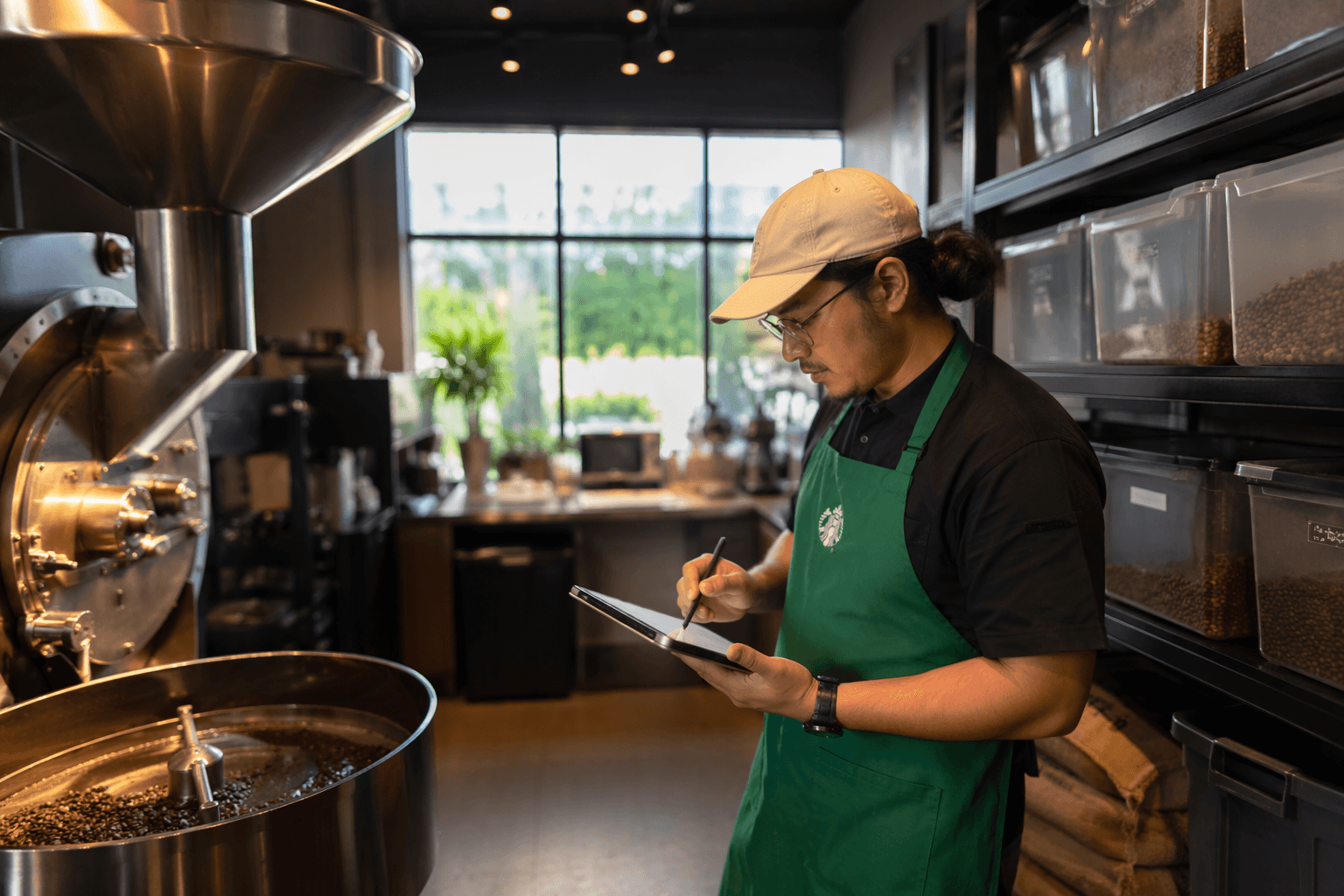
For store workers, the immediate question is not whether Starbucks can save money in Seattle. It is whether those savings show up as cleaner workflows or more work pushed onto the floor. Starbucks already uses its Deep Brew platform for demand forecasting, labor scheduling and inventory-related automation, so this is not the company’s first AI layer inside operations. The difference now is that Starbucks is trying to build its own tools for core systems it currently buys, including Microsoft Dynamics 365 for inventory tracking and IBM’s TRIRIGA for maintenance management.
That matters because those systems sit close to daily store life. Inventory software affects whether a shift runs short on cold foam, oat milk or retail stock. Maintenance software affects how quickly a broken blender, oven or ice machine gets logged and fixed. Starbucks has not said which store-facing screens, if any, will change, or whether partners will see new performance expectations tied to the in-house tools. What is clear is that any new system built around inventory, maintenance or labor scheduling could reach managers and shift supervisors before it reaches customers.
Some internally developed applications could launch by the end of 2027 if testing goes well. Starbucks also points investors to its annual reports, shareholder letters and proxy filings for more background on the company’s technology and cost structure. For partners on the floor, the real test is whether the new software lightens the administrative load or simply gives headquarters another way to manage the same store work more tightly.
This article was produced by Prism’s automated news system from verified source data, official records, and press releases, then run through automated quality and moderation checks before publishing. The system is built and supervised by the people who set the standards it runs under. Read our full AI policy.
Did this article answer your question?