Starbucks workers learn what union bargaining can cover
Union bargaining can move pay, schedules and store rules at Starbucks, but it cannot force a deal or skip the slow grind of good-faith talks.
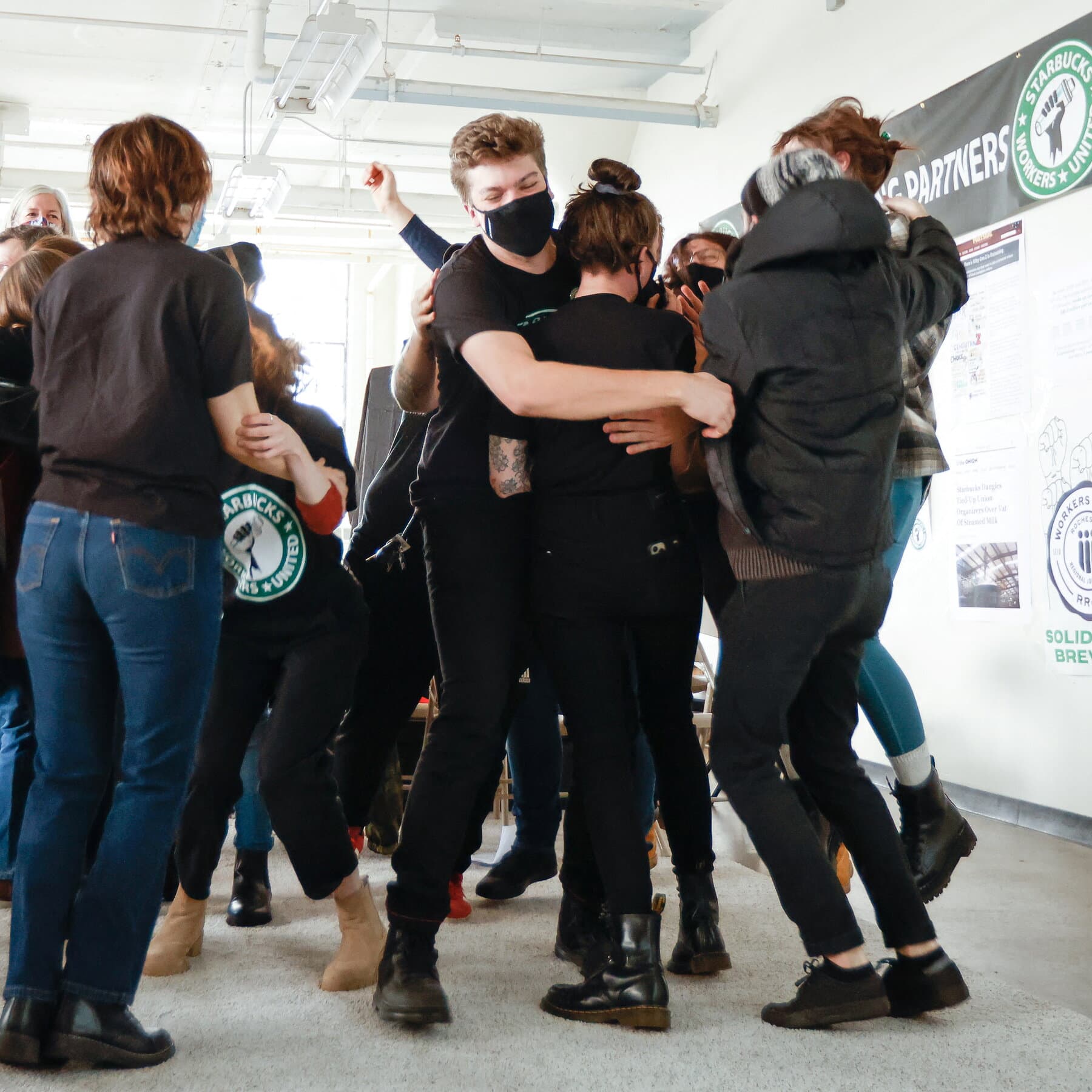
At a union Starbucks, bargaining is not a magic wand. It is the legal process that decides whether pay, schedules, benefits and store rules change by agreement, not by management announcement. For partners trying to separate floor talk from reality, the key point is simple: a union vote opens the bargaining table, but it does not guarantee a specific raise, a shorter schedule, or an instant contract.
What bargaining can actually cover
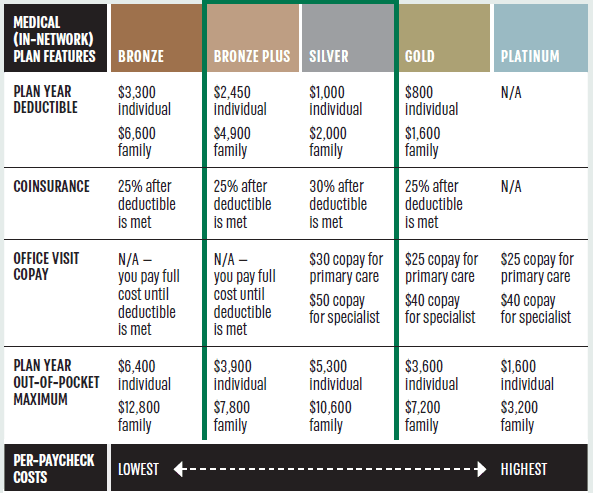
The National Labor Relations Board says collective bargaining covers wages and other terms and conditions of employment, including working hours, leave, health and safety, anti-discrimination and anti-harassment policies, and health insurance. That is the part of the process that matters most on the floor, because those are the issues baristas, shift supervisors and store managers feel every day when the schedule drops, a policy changes, or the pace on bar and drive-thru gets harder.
- pay rates and pay structures
- schedules, hours and availability rules
- leave policies
- health and safety procedures
- anti-discrimination and anti-harassment rules
- health insurance and other benefits
- store policies that shape day-to-day working conditions
In practice, that means bargaining can reach:
Some questions sit in a gray zone, especially staffing. The law does not hand workers a guaranteed headcount for every peak period, but staffing fights usually show up through hours, workload, labor allocation and safety. That is why a contract conversation at Starbucks can be less about a slogan and more about whether a store is routinely expected to run too lean for the business it is doing.
What bargaining cannot do on its own
The biggest misconception workers hear on the floor is that a union election automatically locks in a better wage or prevents every management change. It does not. The National Labor Relations Board says employers have a duty to bargain in good faith, which means meeting at reasonable times and places and making serious attempts to find common ground. It also says neither side can be forced to agree to a specific proposal.
That matters because Starbucks, or any employer, cannot simply make certain unilateral changes to wages, hours or working conditions without bargaining first. But the reverse is also true: workers cannot force management to accept the first proposal, the best proposal, or any proposal at all. Bargaining can continue until the parties reach a contract, a stand-off or an impasse. If they reach impasse, the employer can impose the terms it previously offered to the union.
Once a contract is in place, the rules tighten further. Neither side may deviate from the contract’s terms without the other party’s consent, absent extraordinary circumstances. That is why union bargaining is best understood as a process that changes who has to say yes before a workplace change lands, not as an automatic guarantee that every request becomes policy.
A few myths keep coming up:
- A union vote does not mean a raise appears next week.
- Management cannot freely rewrite pay or scheduling in a union store without bargaining.
- Bargaining does not end the first time both sides disagree.
- A contract is binding, so the fight often shifts from slogans to line-by-line details.
That is the reality check. The promise is not instant transformation. The promise is that changes to core terms of work have to be negotiated instead of handed down.
What Starbucks says is already on the table
Starbucks says about 5 percent of its U.S. coffeehouses are represented by a union. That means most partners are still outside the bargaining process, while a smaller but visible share is living with it every day. The company has also said it has reached more than 30 tentative agreements on full contract articles in talks with Workers United, which shows how much of the work happens in pieces, not in one grand settlement.
The company says 2025 bargaining involved nearly 200 hours of negotiations and more than 130 proposals exchanged. That is a useful reminder for anyone expecting a fast finish: even after a successful election, the contract process can be slow, technical and contentious. Starbucks has also said that changes to its new incentive rewards program and pay enhancements at union locations will be subject to collective bargaining as required by federal law, which is exactly the kind of store-level issue workers need to watch closely.
If you work in a union store, that point is practical, not abstract. A new rewards program, a shift premium, or a pay enhancement cannot just be dropped into the workplace and assumed to stick the same way it would in a nonunion store. Those changes have to run through bargaining first, which gives workers a say before the company resets the terms.
How Starbucks got here
Starbucks opened its first store in Seattle’s Pike Place Market in April 1971. More than five decades later, the company became one of the most visible test cases for retail organizing in the United States, especially after the first Starbucks store vote in Buffalo, New York. That election was filed in August 2021, the tally came in December 2021, and the case number was 03-RC-282115.
That Buffalo vote mattered because it gave Starbucks Workers United a foothold in a company that had long treated itself as unusually employee-friendly. The modern bargaining fight has since become a referendum on how much room a large retailer has to standardize pay, benefits and store rules once workers unionize. It is also why the company’s bargaining posture matters beyond one city: if a policy changes in Buffalo, it can shape expectations in stores across the country.
Late in 2025, Starbucks said unionized partners at 166 of 215 stores on a strike list had unconditionally returned to work. That detail does not settle the labor fight, but it does show something important about the day-to-day reality of organizing at Starbucks: even after escalation, the work still has to be staffed, the store still has to open, and the bargaining table still has to produce something partners can actually use.
For Starbucks workers, that is the central lesson. Union bargaining can put pay, schedules, benefits and store policies on firmer ground, but it does so through process, not magic. The real change is not that every problem disappears. It is that the people who make the coffee get a seat before the rules change.
This article was produced by Prism’s automated news system from verified source data, official records, and press releases, then run through automated quality and moderation checks before publishing. The system is built and supervised by the people who set the standards it runs under. Read our full AI policy.
Did this article answer your question?