Starbucks expands matcha, chai and bakery menu to boost sales
Starbucks is widening its menu around matcha, chai and bakery items, and the real story for partners is the extra customization, training and station pressure that come with it.

What Starbucks is trying to build
Starbucks is not just adding a few novelty drinks. Its January 29 menu innovation release points to a broader shift in what the company wants each store to sell: more customizable beverages, more tea and cold-drink growth, and more food that can carry the business beyond breakfast. The mix includes espresso, matcha and chai drinks with flavors such as ube and coconut, plus year-round options like pistachio, coconut, lavender and sugar-free caramel.
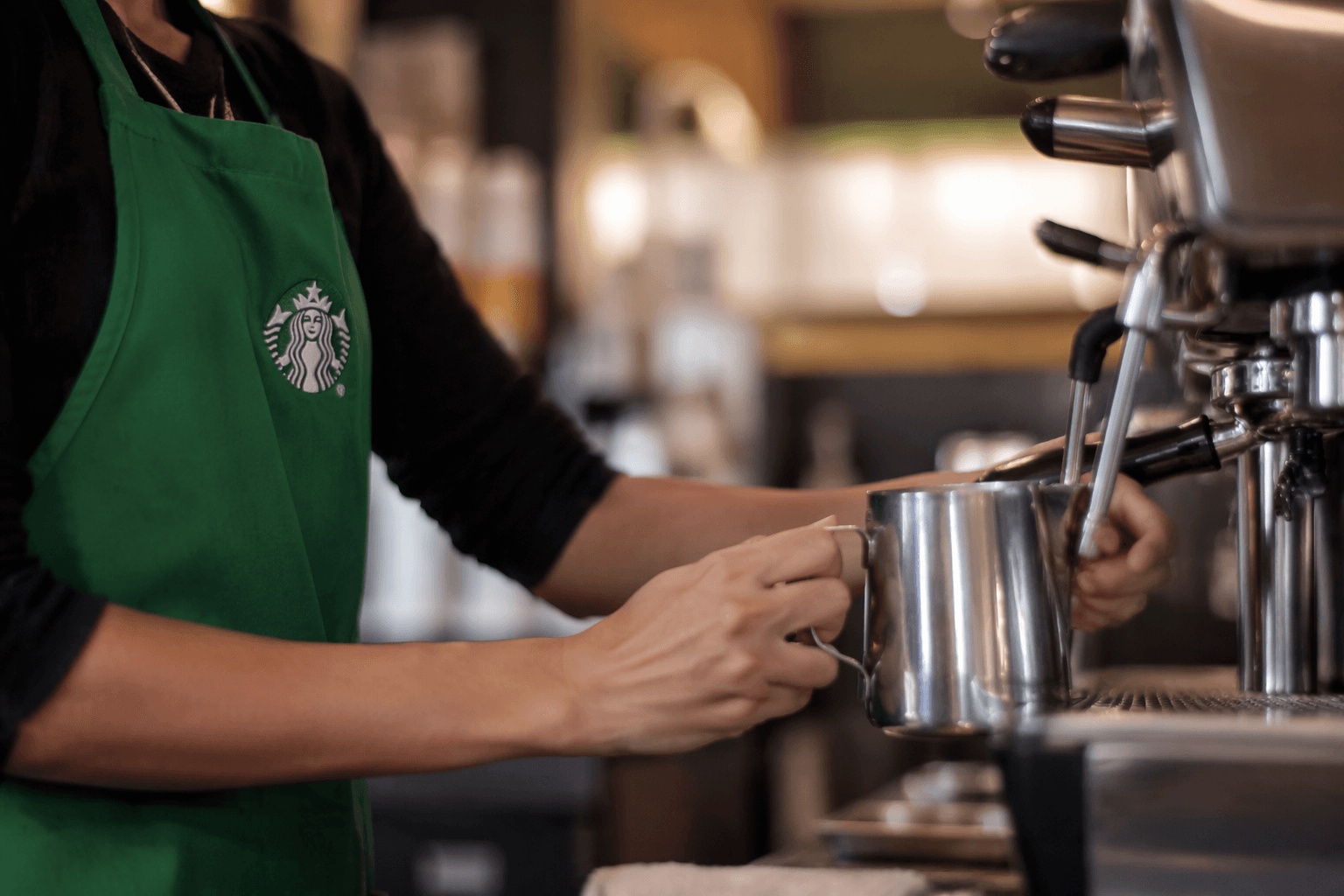
That matters on the floor because menu strategy is labor strategy. When a company pushes more customization, more non-coffee drinks and more all-day food, it is also asking baristas, shift supervisors and store managers to absorb more recipes, more customer questions and more moving parts during the busiest parts of the day. Starbucks is signaling that it wants tea and food to do more of the work that coffee and breakfast have traditionally carried.
Why matcha and chai are becoming bigger bets
The most revealing part of the release is the company’s plan for a dedicated matcha menu and a premium chai offering that lets customers adjust sweetness. That is a clear sign Starbucks wants these beverages to behave less like one-off orders and more like repeatable platforms. For the business, the appeal is obvious: matcha and chai can attract customers who are not ordering espresso, and they can be built around flavor changes that make the drink feel personalized.
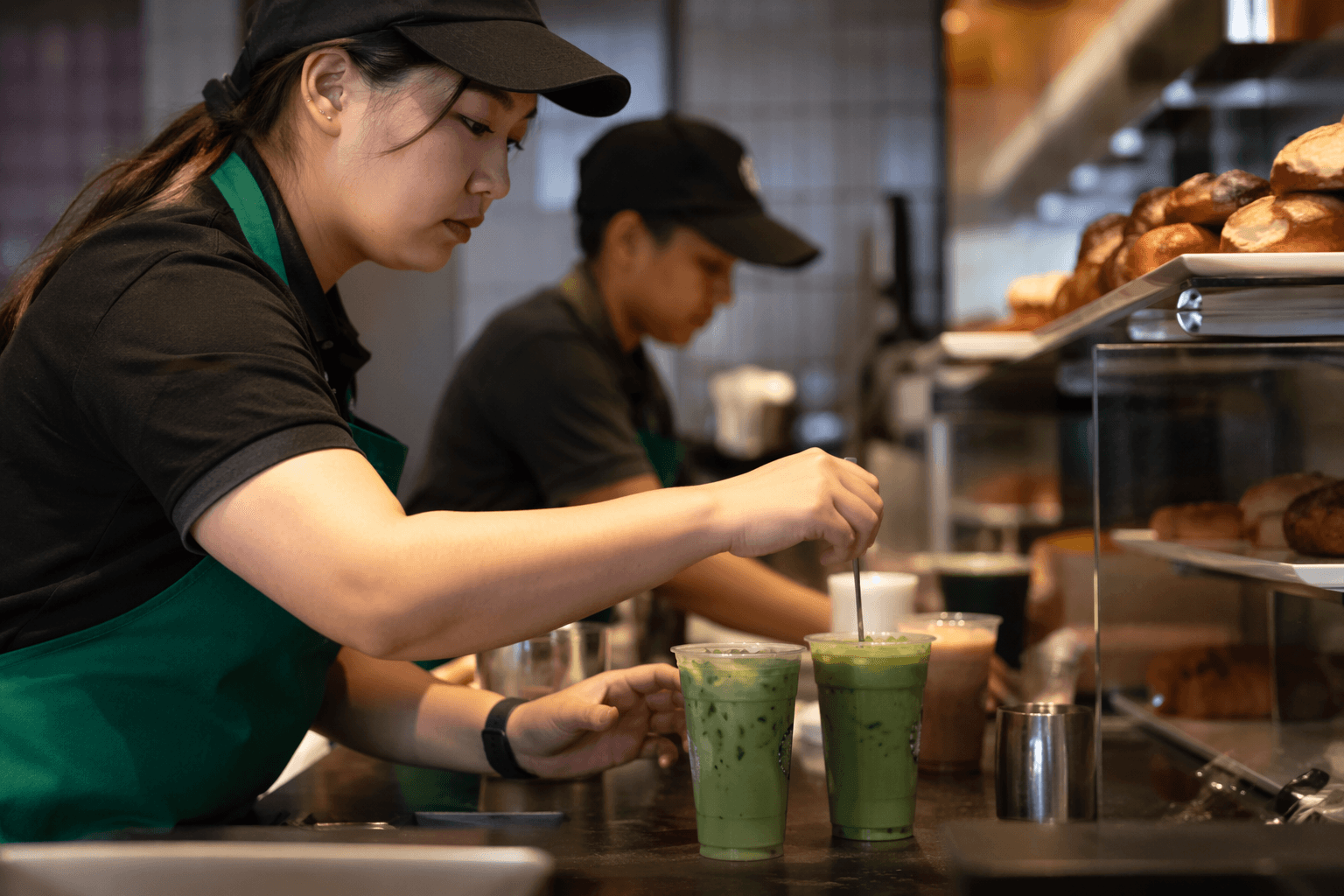
For partners, that kind of platform is never just a menu upgrade. A dedicated matcha line and a more customizable chai line usually mean more steps to remember, more ways for drinks to be made differently, and more room for error when the bar is moving fast. It also means more customer education at the handoff plane, because people ordering these drinks often want to understand sweetness levels, flavor add-ons and how the drink compares with the versions they have had before.
The bigger pattern is familiar to anyone who works Starbucks retail: when the company leans into customization, the work shifts toward precision. That can help drive sales, but it can also create more friction for stores already trying to keep beverage times down and keep the line moving.
Food is being pulled deeper into the sales plan
Starbucks says its food business has doubled since 2020, and that figure helps explain why the company is now talking more openly about bakery, snacks and all-day offerings. The release points to flatbreads, wraps, snacks like protein balls and bakery expansion, including items such as the Strawberry Matcha Loaf. In other words, food is no longer being positioned as a sidecar to the coffee business. It is part of the core plan.
That shift has real consequences for store rhythm. More food growth means more case management, more product rotation, more warm-item coordination in some stores and more pressure to keep shelves looking full throughout the day. It also means afternoon traffic matters more, because the company is clearly trying to build sales opportunities outside the morning rush.
For shift supervisors and store managers, this is where strategy becomes daily execution. More food items usually require tighter attention to pull times, more knowledge of what should be stocked and when, and more coordination between the café, warming and support roles. In practice, that can mean one more thing to manage during the exact hours when labor is already stretched thin.
What “all-day” really means inside the store
Starbucks is not just expanding the menu, it is changing the dayparts that matter. The release emphasizes more all-day options, which tells workers exactly where the company sees room to grow: later in the day, when food can support beverage sales and when customers may be looking for something beyond the standard morning coffee run.
That is good business logic, but it also changes the pressure points inside the store. Afternoon and early evening periods can already be difficult because staffing often thins out, tasks pile up and the pace becomes less predictable than morning peaks. If Starbucks is pushing more matcha, chai and portable food into those hours, then the company is effectively asking stores to keep a wider menu available when the team may be operating with less room for error.
This is where workers usually feel the disconnect between corporate messaging and store reality. On paper, menu expansion sounds like growth. On the floor, it can mean more station juggling, more training repetition and more expectation that partners will deliver variety without getting extra time to absorb it.
What partners should read between the lines
The clearest message in the release is that Starbucks wants every visit to be bigger and more repeatable. Matcha, chai, ube, coconut, pistachio, lavender and sugar-free caramel are not random flavor notes. They are part of a broader push toward beverages that can be personalized and sold again and again, while the bakery and snack line gives customers more reasons to stay, return or add another item.
For baristas, that means the menu is likely to keep moving toward drinks that require more explanation and more exact building. For supervisors and managers, it means the store has to keep the floor organized enough to handle that complexity without letting service slip. And for Starbucks Workers United members and other partners watching the company’s direction closely, it is another example of a familiar corporate pattern: expand the menu, raise the expectations, and leave the store teams to make it work in real time.
The business case is straightforward. Starbucks wants more sales from beverages that feel customizable and from food that can travel through the day. The labor case is just as clear: every added platform comes with more steps, more training and more pressure on the stations that are already carrying the load.
This article was produced by Prism’s automated news system from verified source data, official records, and press releases, then run through automated quality and moderation checks before publishing. The system is built and supervised by the people who set the standards it runs under. Read our full AI policy.
Did this article answer your question?