Starbucks expands recyclable cold cups, more households can curbside recycle
Starbucks’ cup promises now reach the drive-thru and mobile app, but workers still have to explain the rules while keeping lines moving.

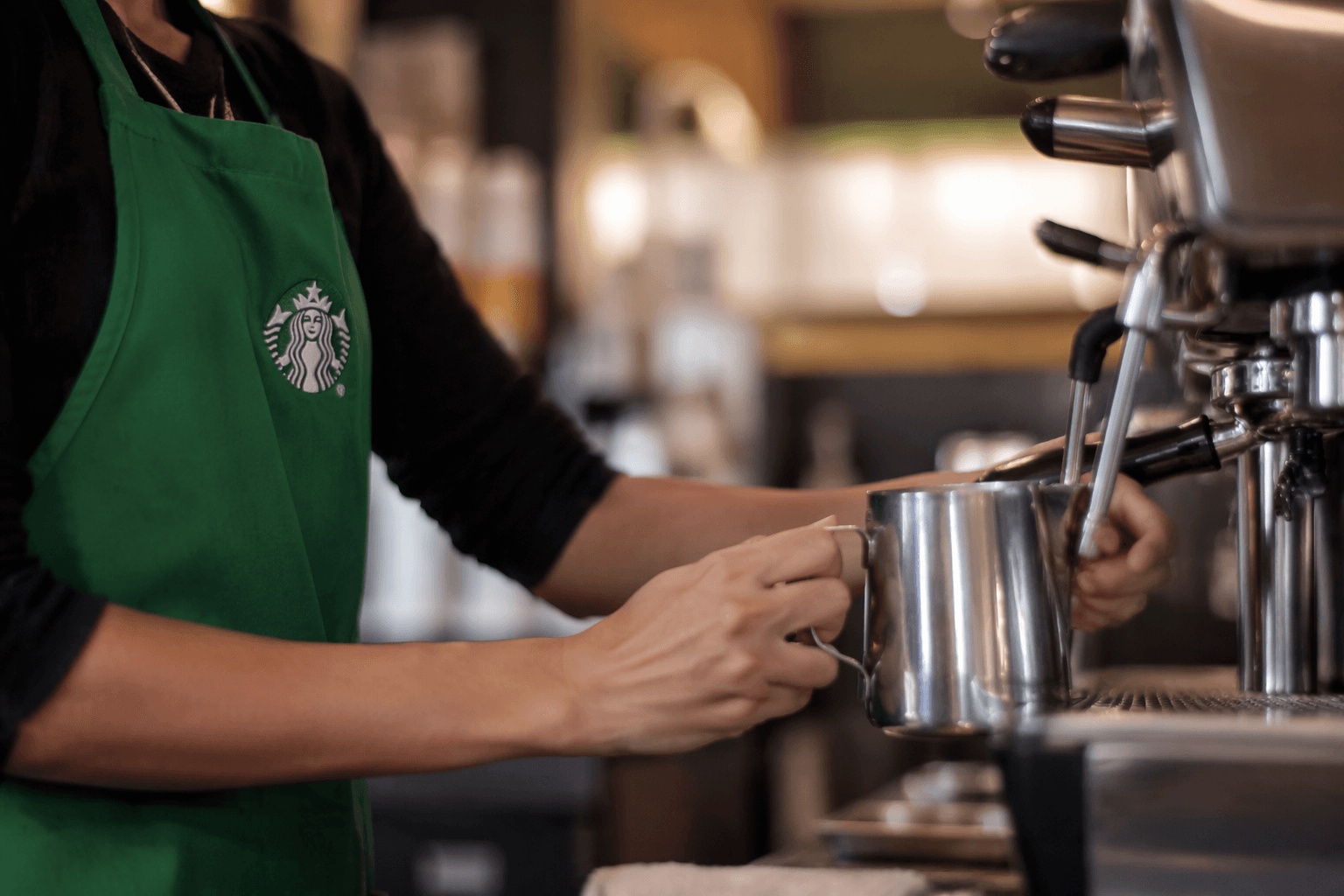
Starbucks has turned cup waste into a customer-facing promise, but the policy only works if baristas can execute it without slowing the floor. The company’s reusable-cup rollout, launched for company-operated and participating licensed stores in the United States and Canada, covered café, drive-thru and app orders, making Starbucks the first national coffeehouse in the U.S. to accept personal cups for mobile orders.
That matters behind the counter because the shift is not just about a new perk. Starbucks said the move fulfilled a goal set in 2022 to expand personal-cup use across every channel and supported its broader pledge to cut waste sent to landfill by 50% by 2030. Closed Loop Partners’ Kate Daly called bringing your own cup “a critical step toward reducing single-use packaging waste.” For workers, that promise lands in the middle of service, where someone has to decide whether a cup is clean, explain the rule to a customer who may only half-remember it, and keep the handoff from jamming up the line.

Starbucks has been trying to normalize reusables for years. Customers have been able to use personal cups at counters since 1985, along with a 10-cent discount, but the new version of the policy is harder to run because it stretches across the parts of the business that drive volume. CNBC reported in 2023 that mobile ordering, drive-thru and delivery made up 74% of Starbucks sales at the time, while the company used an estimated 7 billion disposable cups a year. That makes every reusable-cup transaction a frontline workflow issue, not just a sustainability talking point.
The same tension shows up in Starbucks’ recycling claims. In February 2026, the company said its polypropylene cold-to-go cups had earned How2Recycle’s Widely Recyclable designation, meaning at least 60% of U.S. households can recycle them through curbside or drop-off programs. Starbucks said more than 2 million households gained access in the previous four months, through work with How2Recycle, Closed Loop Partners’ NextGen Consortium, The Recycling Partnership and WM. Starbucks also said more than 60% of U.S. households can now recycle the cups.
But a May 2026 investigation by Beyond Plastics highlighted how far the label can be from reality on the ground. It tracked 36 Starbucks cold cups pulled from in-store recycling bins in nine states and Washington, D.C., and found that none reached a recycling facility. For baristas and shift supervisors, that is the execution gap in plain view: customers ask where the cup goes, workers have to answer, and the company’s climate message only holds if stores are given the training, signage and operational support to make it true at the café floor.
This article was produced by Prism’s automated news system from verified source data, official records, and press releases, then run through automated quality and moderation checks before publishing. The system is built and supervised by the people who set the standards it runs under. Read our full AI policy.
Did this article answer your question?