Starbucks explains which drinks pack the most caffeine
Starbucks turns a common caffeine question into a floor-ready cheat sheet: the answer depends on the recipe, not the name on the cup.
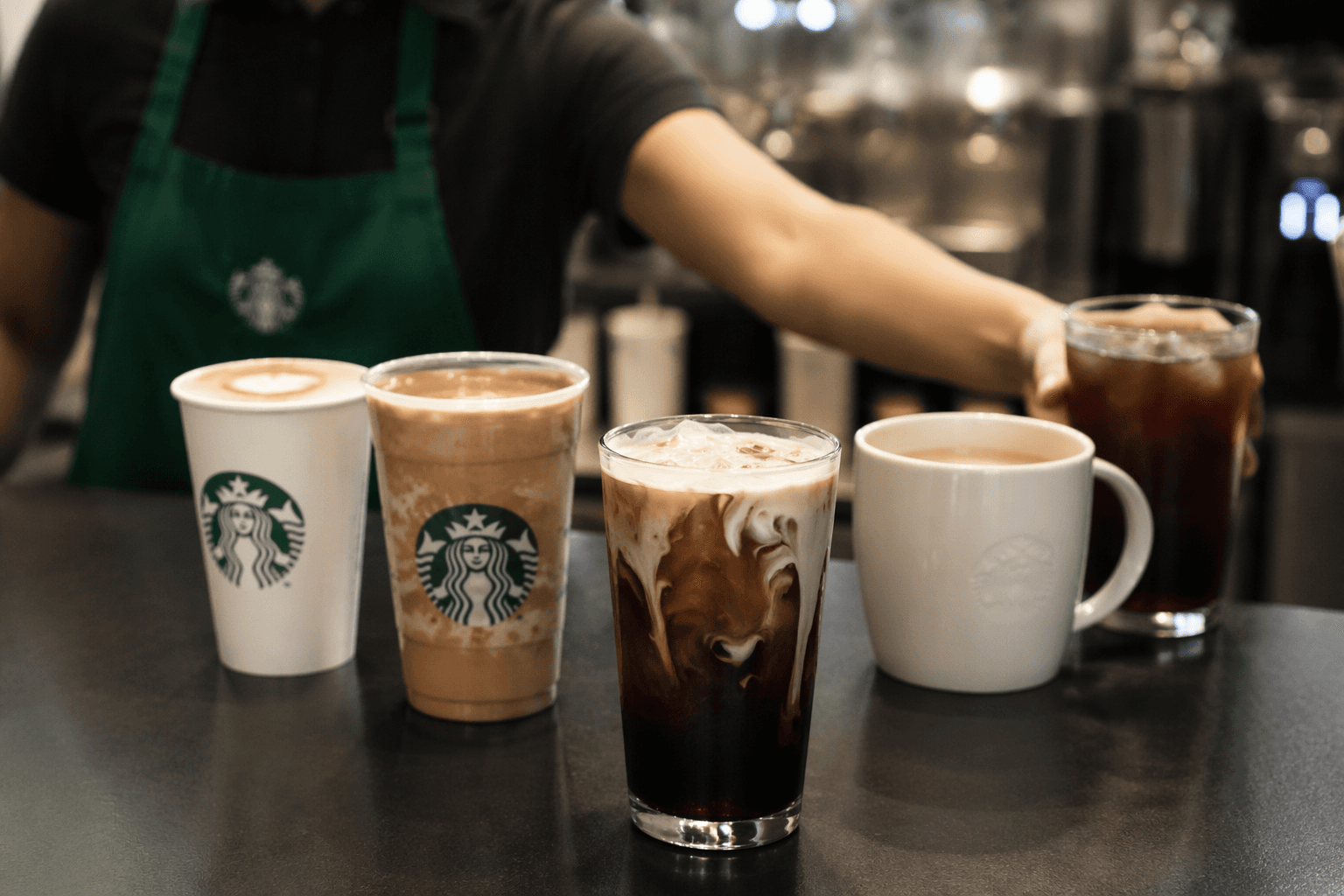
A quick caffeine answer can save a lot of time at the register. When a guest wants “something stronger,” baristas do not need a debate about myths or a lecture on bean lore, just a clear way to explain what actually carries the most caffeine and why that answer changes by drink.
Why this matters on the floor
Starbucks says which drink has the most caffeine is one of the most common questions it hears from customers and partners, and that tracks with how stores work in real life. Guests often use “strong” to mean flavor, energy, size or even temperature, while partners have to translate that into a usable order without slowing down the line.
That is where this Coffee Science explainer earns its keep. It gives baristas a simple, confident framework that can reduce back-and-forth, help prevent remakes, and make it easier to steer someone toward the right drink the first time. In a store where speed, accuracy and customer trust all matter, that kind of shorthand is more than trivia.
The key rule: the recipe matters more than the name
The core message from Starbucks is straightforward: the answer depends on the recipe, not just the drink name. Espresso is more concentrated per ounce, brewed coffee usually has more caffeine per cup, and cold brew can bring a serious caffeine punch because of how long it steeps.
That distinction matters because customers often assume the drink that tastes strongest is also the most caffeinated. Starbucks pushes back on that idea directly. A drink can taste bold, bitter or intense without being the highest-caffeine option, which is exactly why partners need a clean explanation instead of a guess.
For baristas, the takeaway is practical. If a guest asks for “the strongest thing,” that can mean very different things depending on whether they want flavor intensity, caffeine, or a drink they can sip slowly without a milk-heavy profile. A little clarity up front can keep the interaction quick and useful.
The numbers that actually help you answer the question
Starbucks’ menu data turns the explainer into something you can use on the spot. A grande Caffè Americano has 225 mg of caffeine, a grande Cold Brew has 205 mg, a grande Caffè Latte has 150 mg, and a double espresso serving lists 150 mg.
Those numbers give partners a simple way to compare common orders without overcomplicating the conversation. If a guest wants more caffeine in a hot drink, the Americano is the cleaner answer among these examples. If they want a cold option, Cold Brew comes close behind, while latte drinkers should know that the milk does not make the drink caffeine-free, but it does change how that caffeine feels in the cup.
Starbucks also notes that caffeine amounts are approximate and based on standard recipes, so customization can change the final amount. That matters in-store because an extra shot, a different size, or another adjustment can move the number enough that the standard menu line is only the starting point.
How to explain it fast without turning the line into a seminar
The easiest way to use this knowledge is to keep the answer tied to the customer’s goal. If someone wants more caffeine, the conversation can stay focused on shots, ratios and steep time instead of flavor myths.
A few floor-friendly ways to frame it:
- If they want hot coffee with more caffeine, point to the Caffè Americano or brewed coffee styles.
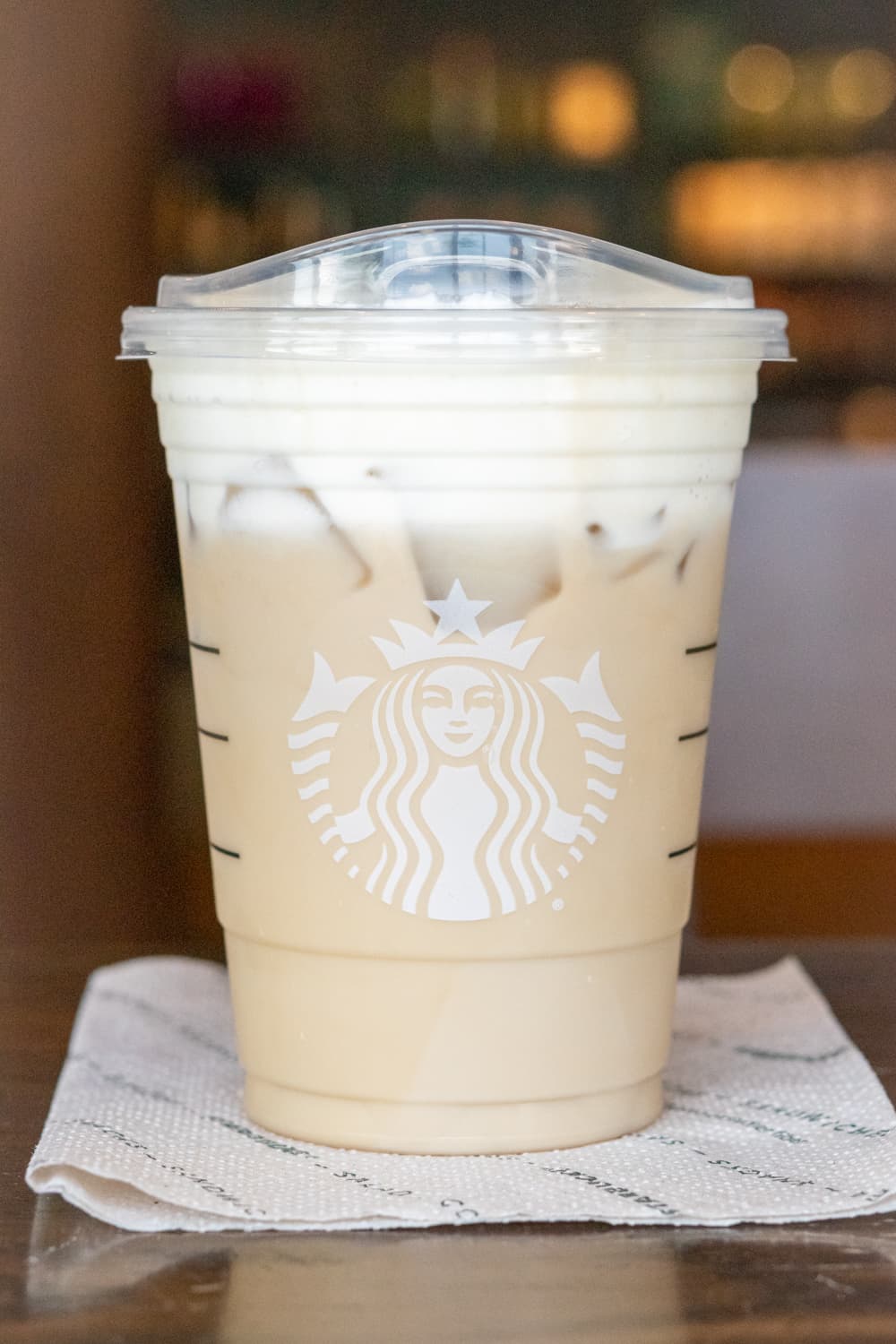
- If they want cold coffee with a strong caffeine hit, Cold Brew is a strong option because it is steeped for 20 hours in cool water without heat.
- If they want milk-forward but still caffeinated, a latte has caffeine too, just less than an Americano or Cold Brew in these examples.
- If they want an extra boost, Starbucks says an iced Caffè Americano is espresso shots topped with cold water, and an extra shot can add more caffeine.
That kind of language helps partners guide the guest without turning the interaction into a debate about what “strong” really means. It also fits the pace of a Starbucks shift, where every extra minute at the handoff plane can pile up when the lobby, drive-thru and mobile orders are all moving at once.
Why Cold Brew keeps coming up
Cold Brew is the drink most likely to confuse customers because it does not look like the obvious caffeine bomb, yet it can pack a strong punch. Starbucks says its Cold Brew is handcrafted in small batches daily and slow-steeped in cool water for 20 hours, which helps explain why it shows up so often in these caffeine conversations.
That long steep time is the kind of detail that helps partners answer a question quickly and accurately. It also gives them a better way to explain why Cold Brew can feel smoother while still carrying a lot of caffeine, which is useful when guests think smooth automatically means weak.
Part of a bigger Starbucks coffee lesson
This caffeine explainer is not a one-off. It sits inside Starbucks’ Coffee Science series, where coffee master and educator Lincoln Bechard answers questions he hears most from partners and customers and breaks down the facts behind the daily cup.
The broader series also covers topics like the difference between iced Americano, cold brew and iced coffee, plus whether Espresso Roast is needed to make espresso at home. Starbucks has also been leaning into customer personalization and says most food and drink ingredients are listed on its website and app, which reinforces the idea that the company wants guests to understand what is in the cup, not just order by habit.
For stores, that makes the caffeine explainer more than a fact sheet. It is a training aid, a speed tool and a customer-service shortcut all at once. In a business built on repeat habits and fast decisions, the best answers are the ones partners can give confidently before the line backs up.
This article was produced by Prism’s automated news system from verified source data, official records, and press releases, then run through automated quality and moderation checks before publishing. The system is built and supervised by the people who set the standards it runs under. Read our full AI policy.
Know something we missed? Have a correction or additional information?
Submit a Tip