Starbucks explains why aroma shapes coffee flavor for baristas
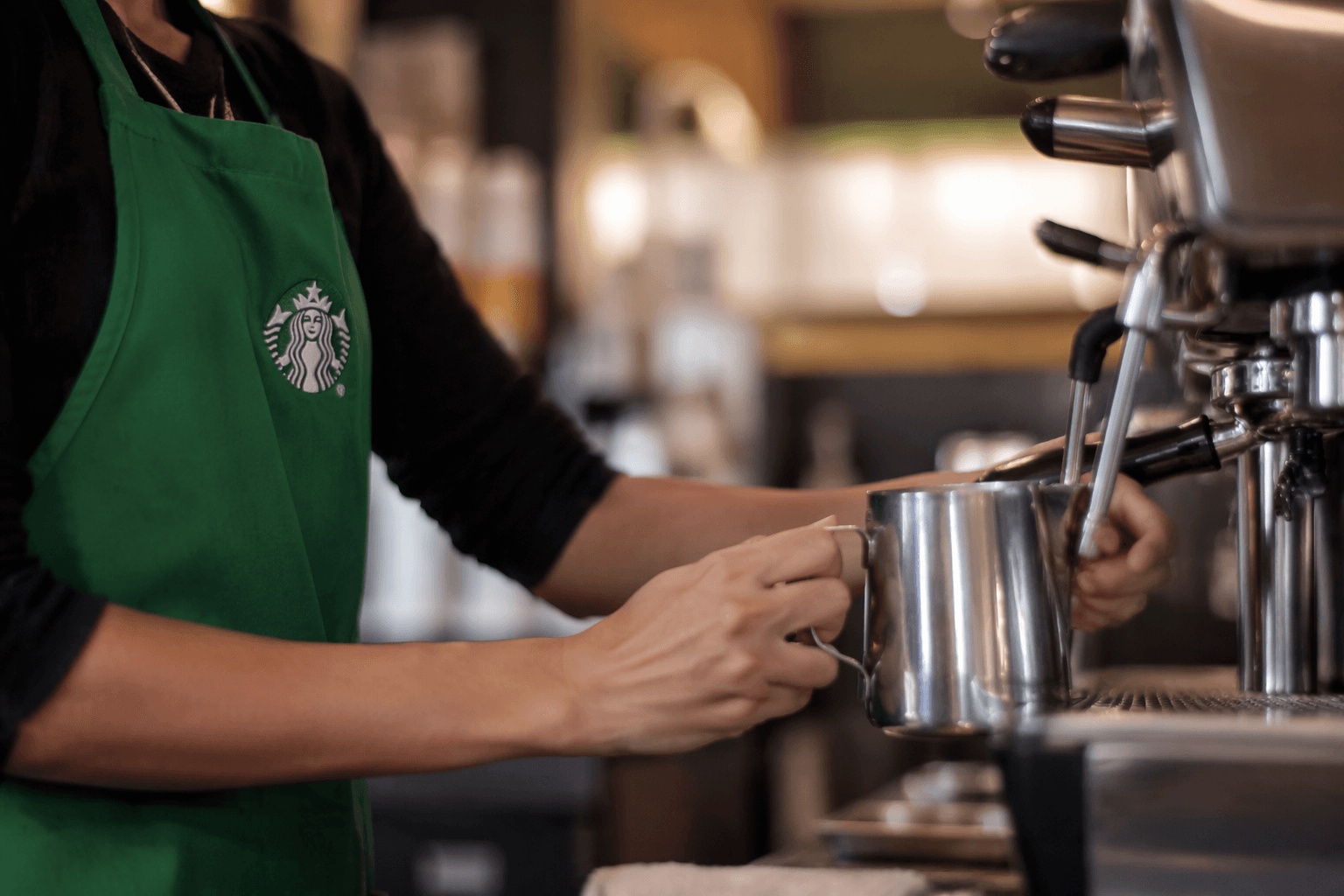
Starbucks is framing aroma as a frontline skill, not a coffee-side curiosity. The lesson is simple: if you can smell the cup clearly, you can judge it, explain it, and hand it off better.

Aroma is part of the job, not a bonus detail
Starbucks’ latest Coffee Science explainer makes a workplace point that baristas and shift leads can use immediately: coffee training is not only about recipes, pacing, and build standards. It is also about sensory skill, and aroma sits at the center of that skill. In Starbucks coffee master and educator Lincoln Bechard’s May 9, 2026 post, the company says 80 percent of what you taste is what you smell, which turns the simple act of pausing over a cup into part of quality control.
That matters on a floor where speed can swallow craft. Smelling coffee before tasting it gives partners a faster read on whether a drink is hitting the mark, whether a customer needs a clearer explanation, or whether a brew is coming across flat, muted, or off in a way that is not obvious from the look of the cup alone. For baristas, sensory awareness is not abstract coffee lore. It is one more operational tool.
What aroma tells you before the first sip
Starbucks says coffee aroma is shaped by three big variables: origin, processing, and roasting. That is why one coffee may read floral, another citrusy, another chocolaty, and another smoky before anyone tastes it. Those differences are not decoration; they are clues that help partners recognize what is in the cup and describe it in plain language when customers ask what makes one coffee different from another.
The company’s framing also helps explain why the same drink can feel different depending on where it came from and how it was made. Aroma is one of the earliest signals a barista gets, and it can sharpen the handoff from “here is your beverage” to “here is what this coffee is meant to taste like.” That is especially useful in busy stores where guests often want quick guidance at the handoff plane, not a lecture.
Roasting and brewing shape what the nose picks up
Starbucks’ broader coffee materials connect aroma to roasting in a direct way. The company says roasting develops a coffee’s unique aroma, acidity, body, and flavor, and that each coffee needs a different combination of time and temperature to reach those peak sensory qualities. In Starbucks’ roasting explainer, the company says its small team of master roasters has more than 150 years of combined roasting experience, which gives weight to the idea that sensory detail is built into the product long before it reaches the bar.
That same logic shows up in how partners talk about different beverage formats. Roast profile and brewing method affect how aroma is released, which helps explain why brewed coffee, espresso, and more concentrated drinks can smell and present so differently. For a store team, that background can make customer conversations easier: if a guest thinks a drink smells too intense or not intense enough, the answer may be less about sweetness or strength and more about how the coffee was roasted or brewed.
Why tasting guides keep returning to aroma
Starbucks® Coffee at Home uses the same framework in its tasting guidance, treating coffee tasting as a sensory practice centered on aroma, acidity, body, and flavor. That is a useful reminder for store partners because it reinforces a simple habit: slow down enough to notice the smell before you taste, then use that first impression to calibrate the rest of the evaluation.

- A bright aroma can signal a coffee that is more expressive up front.
- A muted aroma can suggest that something in the cup is not opening up as expected.
- A smoky or chocolaty note can help explain why a coffee reads the way it does to the guest.
- A quick smell test can support a quality check when a beverage seems off before anyone starts guessing at the cause.
For baristas, that can change the way a drink is checked and described:
This is where Starbucks is turning sensory language into workplace language. The point is not to make partners sound like coffee judges. It is to give them enough sensory vocabulary to move faster and speak more confidently.
The science behind the advice is not just Starbucks branding
The company’s message lines up with broader health guidance. The National Institute on Deafness and Other Communication Disorders says more than 200,000 people visit a doctor each year for problems with taste or smell, and scientists believe up to 15 percent of adults may have a taste or smell problem. Harvard Health also notes that smell and taste are closely linked and that problems with smell can change how foods taste.
That background gives Starbucks’ advice real-world force. If a coffee seems dull or oddly flat, the issue may not just be brew strength, syrup level, or milk texture. It may be that aroma is not coming through as expected. For partners, that means a quality check should not stop at appearance or temperature. Smell is part of the diagnostic process, and sometimes it is the most useful one.
What this means on the floor
Starbucks’ Coffee Science series is doing more than explaining coffee in a friendly way. It is packaging sensory education as frontline training. The company is asking partners to treat aroma as a tool for consistency, customer education, and craft, which is exactly how a store keeps the experience from slipping into pure routine.
That approach also fits the broader pressure inside Starbucks stores, where partners are expected to move quickly while still delivering a polished handoff. When sensory training is taken seriously, it can support that work instead of slowing it down. A brief pause to smell the coffee is not wasted time. It is part of getting the drink right, explaining it clearly, and showing that the cup in the customer’s hand was built with more than speed.
Lincoln Bechard’s explainer points in a direction Starbucks would do well to keep emphasizing: sensory skill is operational skill. In a store built on consistency, the nose is not extra credit. It is part of the standard.
This article was produced by Prism’s automated news system from verified source data, official records, and press releases, then run through automated quality and moderation checks before publishing. The system is built and supervised by the people who set the standards it runs under. Read our full AI policy.
Did this article answer your question?