Starbucks explains why some drink orders get made first
Starbucks' queue is not first come, first served. Mobile, drive-thru, café and delivery orders are sequenced by station capacity, which is why a later ticket can beat an earlier one.
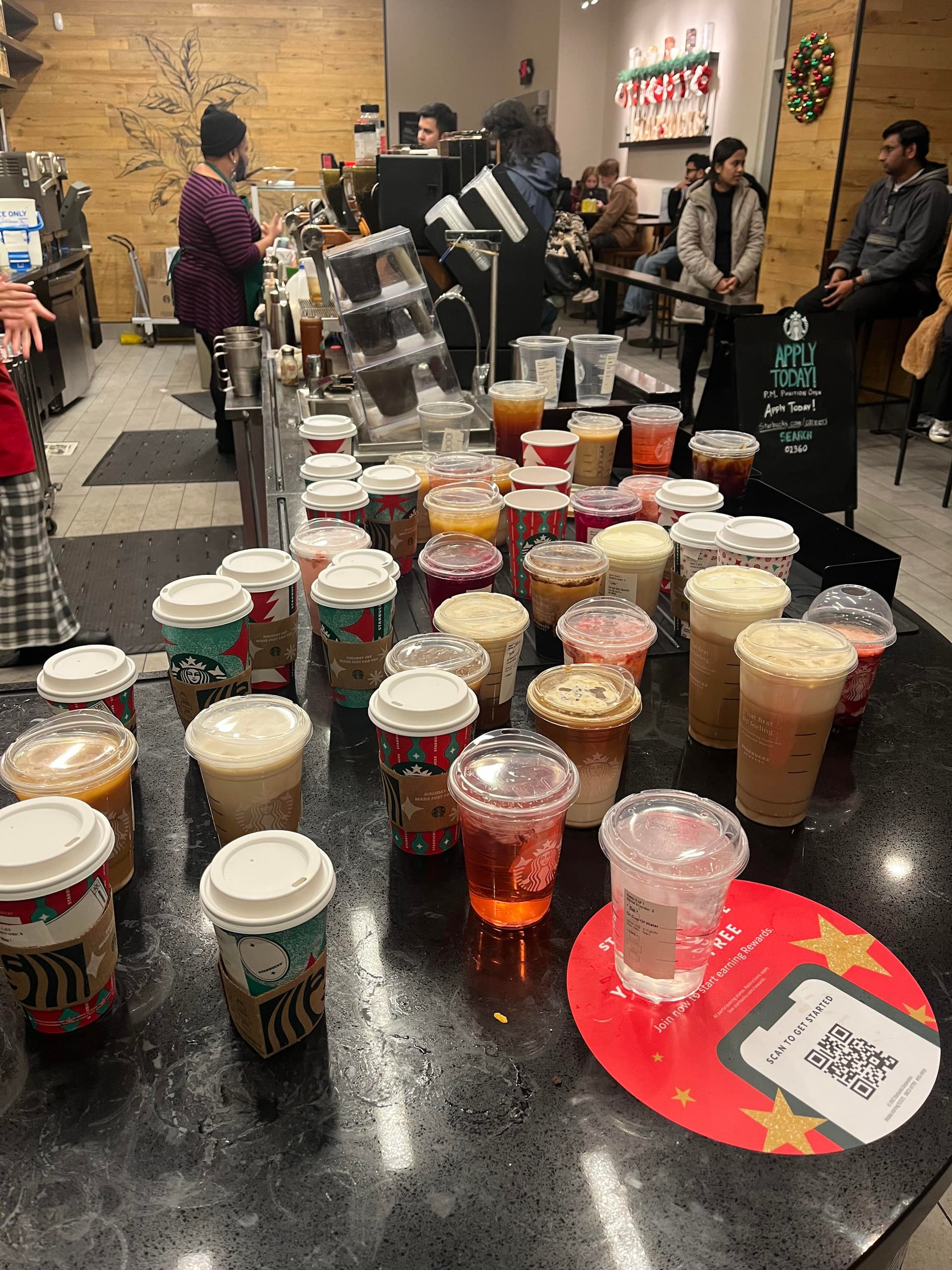
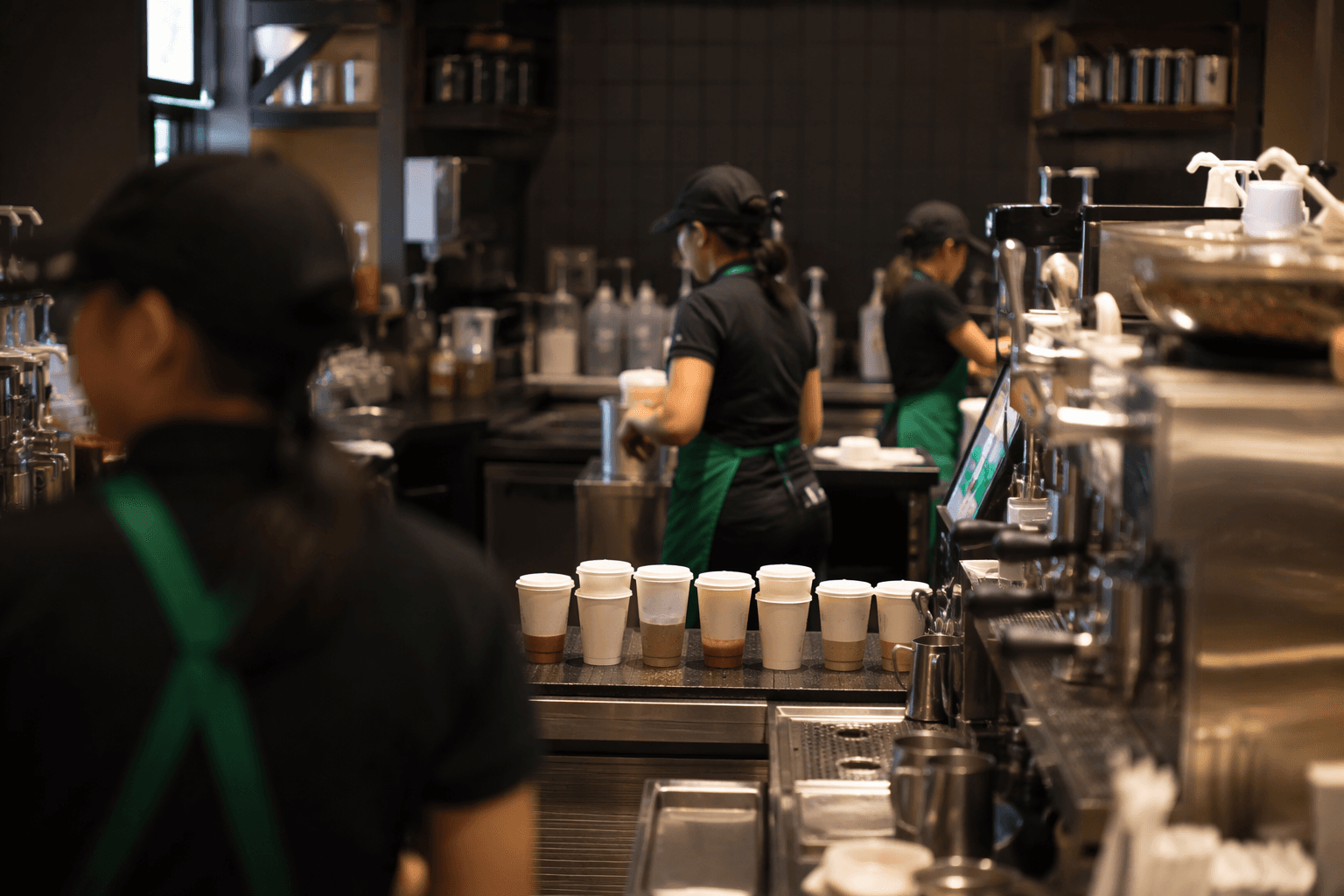
Starbucks order flow is not a single line, and that is the part many customers miss when they see a later drink come up before theirs. On the floor, partners are juggling café tickets, mobile orders, drive-thru drinks, food warming and sometimes delivery at the same time, so the next cup is not always the one that was tapped first.
Why the first order is not always the first drink
The basic misunderstanding starts at the handoff plane. A customer who places an app order may expect it to move ahead of everything else, but Starbucks baristas and commentators in store discussions describe mobile tickets as joining the same queue as café orders rather than automatically jumping ahead. That matters because a store is not filling one order at a time. It is sequencing many orders at once, and the order that gets made first is often the one that fits the station, the timing and the team’s current capacity.
That is why a customer who orders in the app and then heads straight to drive-thru can run into friction. Business Insider has documented employees complaining about guests expecting the drink to already be ready the moment they arrive, even though the ticket is still moving through the queue. In practice, the drink has to fit into the same production line as everything else, which is exactly where confusion turns into arguments at the handoff counter.
What the queue is really balancing
Quartz described Starbucks baristas as effectively running three restaurants at once, and that captures the daily reality behind the counter. Café orders, mobile orders and delivery all create parallel demand, while drive-thru adds a timer that never stops. Restaurant Business has framed the “mobile order problem” as a workflow issue that was there all along, not as a simple customer behavior problem.
That workflow pressure is why sequencing matters more than slogans about speed. A complex blended drink, a food item that has to be warmed, and a flood of cold bar tickets all take different amounts of time and different equipment. If the store lets every mobile order jump the line without regard to what the bar can actually complete, the handoff area backs up and every guest feels the delay.
The wait times are part of the problem
Starbucks has already acknowledged the pressure in its own numbers and operational changes. Sherwood News reported in June 2024 that the company had admitted longer wait times, and cited data showing nearly 10% of customers waited 15 to 30 minutes for an order in the prior quarter. The same coverage also noted customer complaints about waiting 40 minutes for frappuccinos, which is the kind of delay that can blow up a shift when the queue gets out of balance.
The worker side of that picture is just as blunt. Starbucks Workers United said in a survey that 9 in 10 baristas reported understaffed stores and long wait times for customers. That lines up with what partners see in real time: once staffing falls behind the order mix, the queue stops feeling like a system and starts feeling like a pileup.
How Starbucks is trying to smooth the line
Starbucks has been adjusting the system from several angles. In January 2025, Customer Experience Dive said CEO Brian Niccol was focused on “bringing order to mobile ordering,” including an algorithm intended to give in-person customers priority. That signals a shift away from treating app tickets as automatically dominant and toward balancing the café with the rest of the store.
The company also made it easier for overwhelmed stores to pause mobile orders through an app feature for shift supervisors and managers, according to The Seattle Times, with higher-than-expected volume and employee absences listed as reasons for using it. For stores already stretched thin, that pause button is more than a convenience. It is a way to stop the queue from collapsing when staffing and demand no longer match.
Starbucks’ stores-and-ordering page still advertises “Easy Mobile & Online Ordering & Delivery,” which shows how central these channels are to the brand. But the company has also added a scheduled mobile-ordering option that lets customers choose a pickup time up to one hour ahead. That change suggests Starbucks is still trying to reduce the instant-pressure effect that comes with everyone ordering at once.
The speed targets behind the pressure
The company’s handoff goals help explain why partners feel the squeeze so sharply. Constellation Research reported on Jan. 29, 2025, that Starbucks aimed for a four-minute barista-to-customer handoff process. CX Dive also said the company was targeting four minutes for in-store and drive-thru drink orders as part of its customer experience push.
Those targets sound simple from a corporate slide deck, but on the floor they mean partners are being measured on speed while still managing volume, drink complexity and staffing gaps. When the algorithm, the timer and the queue all point in different directions, the person taking the heat is usually the barista at handoff.
What to say when customers ask why theirs is not first
The cleanest explanation is also the one that reflects how the store actually works: orders are being sequenced by what the bar can produce safely and accurately, not by who shouted first or who ordered earliest. A store can be caught between a rush of mobile tickets, a drive-thru line that will not stop, and café guests waiting in front of the register. In that setup, one order may move ahead of another because the team is balancing station flow, not playing favorites.
For partners, that framing can make the difference between a hostile handoff and a manageable one. It gives you a simple, honest way to explain the system without making the conflict personal: the drink is in line with everything else, the line is moving as fast as the store can safely move it, and the queue changes as orders hit each station. That is the real story behind the cup that appears out of order.
This article was produced by Prism’s automated news system from verified source data, official records, and press releases, then run through automated quality and moderation checks before publishing. The system is built and supervised by the people who set the standards it runs under. Read our full AI policy.
Did this article answer your question?