Starbucks highlights college degree path for eligible U.S. partners
Starbucks’ ASU plan covers 100% tuition for eligible U.S. partners, with nearly 20,000 graduates so far. The real hurdle is balancing store hours with school.
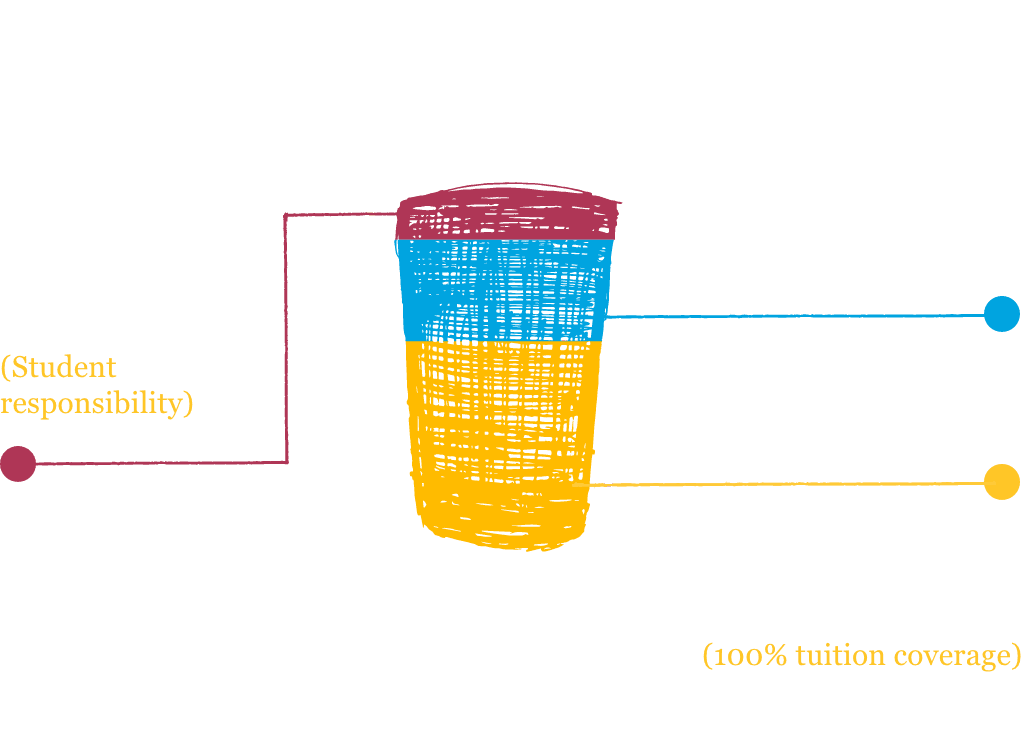
Starbuck’s College Achievement Plan is one of the clearest ways a barista job can turn into a degree path: eligible U.S. partners can earn a first-time bachelor’s online through Arizona State University with 100% tuition coverage. The promise sounds simple, but the real questions are the ones partners ask on the floor: who actually qualifies, how long it takes to finish while working shifts, and whether the schedule can hold together long enough to make it worthwhile.
Who the plan is built for
The program is aimed at eligible U.S. partners, including both part-time and full-time employees, and it is set up for a first-time bachelor’s degree rather than a second shot at a credential you already have. Starbucks materials say partners can choose from 150+ undergraduate programs through the ASU partnership, which gives the benefit real range instead of a single narrow track. That matters for workers who want to move into business, healthcare, education, or another field without leaving the company immediately.
Starbucks Careers frames the benefit as support for balancing work, life and school, and that wording reflects how the plan is meant to function in store life. It is not a generic scholarship pool detached from the schedule; it is built for people trying to keep serving customers while building something beyond the apron. ASU says the partnership was designed for thousands of eligible part-time and full-time U.S. partners, which is the key to understanding why this benefit has stayed central to Starbucks’ employment pitch.
What the degree path actually covers
The biggest practical draw is the tuition piece. Starbucks and ASU both describe the College Achievement Plan as offering 100% tuition coverage for eligible U.S. partners, and Starbucks’ own education page now highlights nearly 20,000 graduates and counting. For a worker who cannot stop earning hourly pay to go back to school, that combination is what makes the plan feel like a real exit ramp rather than a distant promise.
The degree itself is online through Arizona State University, so the benefit is designed around flexibility rather than a commute to a campus in Tempe. That online setup is important in food service, where a morning opener, a mids shift and a closing shift can all happen in the same week. Starbucks is essentially telling partners that school can sit alongside the store job instead of replacing it.
The hidden tradeoffs partners still have to manage
The tuition coverage does not remove the hardest part of the deal, which is time. A partner still has to keep up with coursework while covering shifts, and that creates pressure when hours change, shifts get tightened or life outside work gets messy. The company’s own education messaging only works if the schedule stays stable enough for the partner to use it, which is why education comes up alongside store scheduling, hours guarantees and the broader labor conversations happening in many Starbucks locations.

That issue matters even more in the Starbucks Workers United era, where pay, scheduling and hours are already part of everyday bargaining and organizing talk. For partners trying to decide whether to stay, the question is not just whether Starbucks will pay the tuition bill. It is whether the job still leaves enough reliable time and energy to finish the classes that bill is supposed to unlock.
Starbucks’ education pages also show that the company uses more than one tool depending on the market. Outside the SCAP pathway, the company offers tuition reimbursement in some settings, and the Canada partner benefits page lists a yearly maximum of $1,000. That difference is a reminder that the flagship U.S. bachelor’s program is the most generous piece of a wider, uneven education menu.
Why the program has become part of Starbucks’ identity
The scale behind this benefit is what keeps it in the company’s spotlight. ASU says Starbucks announced the College Achievement Plan in 2014, and Starbucks later marked the program’s 10th anniversary. In 2025, Starbucks said more than 1,000 partners were graduating from ASU that day through SCAP, and in 2026 the company said more than 1,100 partners were graduating in the largest class to date, bringing the total to nearly 20,000 ASU graduates.
Those numbers help explain why the plan sits at the center of Starbucks’ story about upward mobility. A benefit that started as a partnership announcement has turned into a long-running pipeline from hourly work to a bachelor’s degree, with thousands of graduates now attached to it. ASU also reported in 2019 that Starbucks expanded tuition coverage to United Kingdom employees for online university degree programs, which shows the company has treated education support as part of its broader talent strategy, not just a U.S. recruiting perk.
What it can realistically change for a partner
For a barista or shift supervisor, the best way to think about the plan is as a bridge. It can keep you working while you finish a degree, and it can open a path to jobs that usually sit outside the café, from management and operations to entirely different fields like healthcare or education. The benefit does not guarantee a new profession, but it lowers one of the biggest barriers between hourly service work and long-term career movement: the cost of school.
That is why Starbucks’ education page lands differently from a standard benefits brochure. It ties learning to the job itself and makes the degree path part of the employment bargain, which is a meaningful promise in a company where hours, tips, pay and scheduling still shape whether workers can build a future. For partners who can keep the pieces aligned, the program is less a perk than a practical way to turn store shifts into a degree and a possible next career.
This article was produced by Prism’s automated news system from verified source data, official records, and press releases, then run through automated quality and moderation checks before publishing. The system is built and supervised by the people who set the standards it runs under. Read our full AI policy.
Did this article answer your question?