Starbucks faces speed pressure as Dutch Bros expands drive-thru model
Dutch Bros is forcing Starbucks to defend speed, not just brand. That pressure is landing on staffing, order flow, and the daily pace of work inside stores.
Why the Dutch Bros comparison matters on the floor
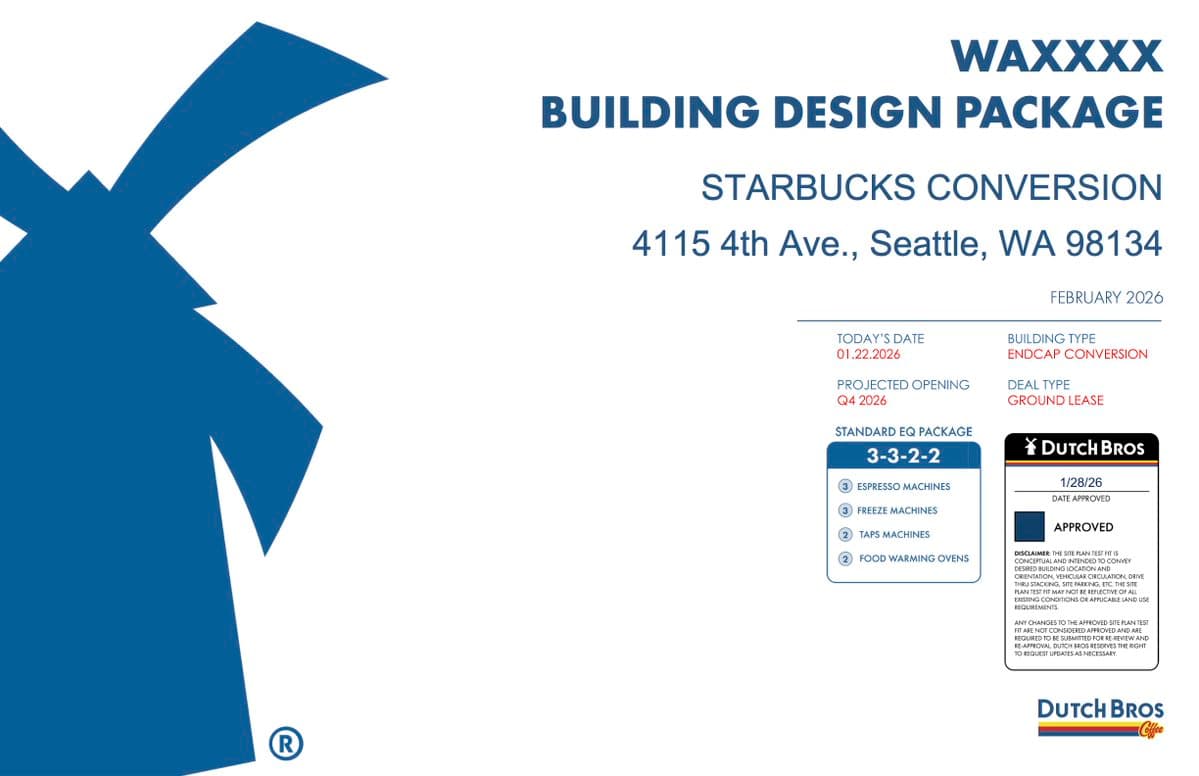
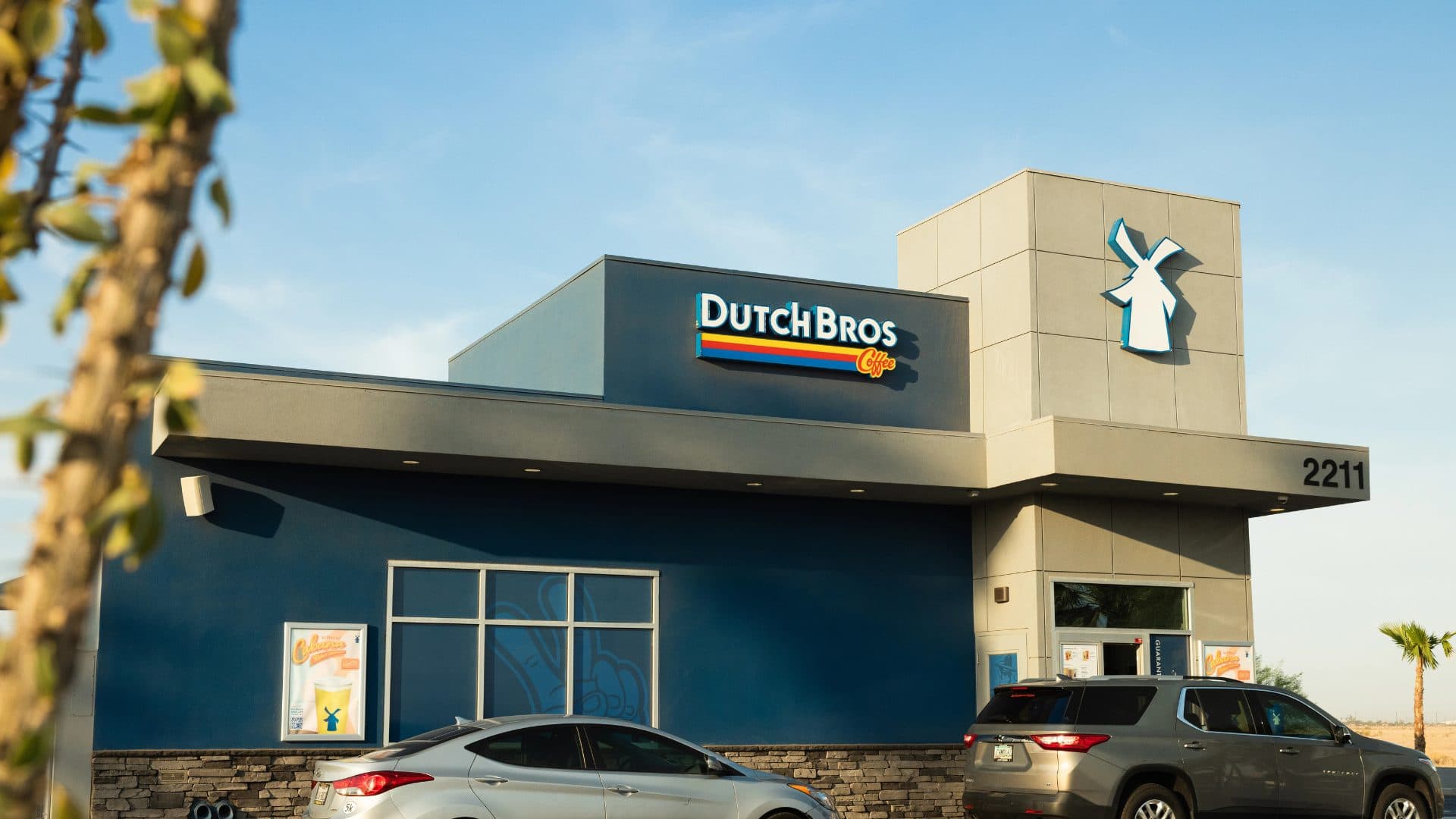
Starbucks is no longer just measuring itself against other coffee chains on taste or brand image. The bigger test now is whether it can protect a service-heavy café model while matching a competitor built around speed, simplicity, and drive-thru volume. Starbucks says it has more than 41,000 company-operated and licensed coffeehouses worldwide, while Dutch Bros said it had 1,177 locations across 25 states as of March 31, 2026, a scale gap that still leaves Starbucks vulnerable to the kind of operating model Dutch Bros has made popular.
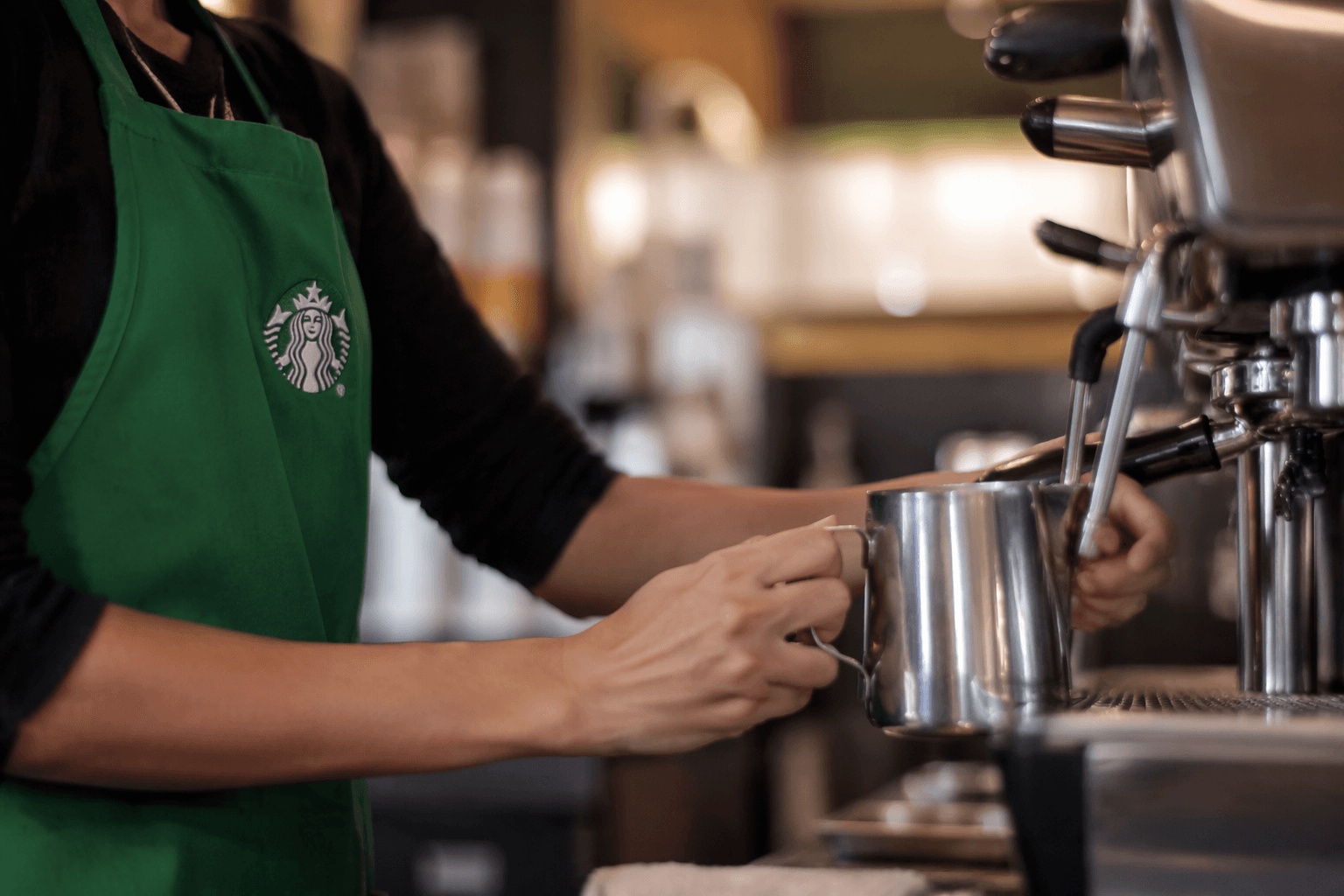
For baristas, shift supervisors, and store managers, that rivalry is not abstract. It helps explain why corporate attention keeps returning to the same pressure points: queue times, mobile-order flow, beverage consistency, and how many people are on the floor at once. When a smaller chain keeps growing by selling speed and convenience, the bigger chain feels pressure to make every part of the café run tighter.
Starbucks is trying to become faster without losing the café identity
At its January 29, 2026 Investor Day, Starbucks said the Back to Starbucks plan was moving forward with new coffeehouse and menu innovations, a reimagined loyalty program, and a renewed emphasis on becoming the world’s leading customer service company. Leadership described the strategy as centered on coffee, craft, connection, and simplification, which is the core balancing act for the company right now: make stores easier to run without stripping out the parts of the experience that justify Starbucks’ premium positioning.
Brian Niccol has been explicit about the direction of travel. He said Starbucks was working to “bring order to mobile ordering,” a phrase that gets to the heart of daily store stress. In practice, that means trying to reduce the chaos of in-café tickets, drive-thru volume, and app orders competing for the same bar time. Starbucks is also piloting a store-order prioritization algorithm, part of a broader tech push aimed at speeding drink-making and smoothing the handoff between channels.
The reported target times show how aggressive that push is. Industry coverage of the company’s technology efforts has described a goal of roughly four minutes for in-person orders and 12 to 15 minutes for mobile orders. That is not just a technology story. It is a labor story, because those targets only work if staffing, sequencing, and coverage match the flow of tickets coming in.

Dutch Bros is the pressure gauge, not just the rival
Dutch Bros is useful here because it represents the business model Starbucks is being pushed to answer. It is leaner, more drive-thru oriented, and built around throughput. That model strips away some of the complexity Starbucks deals with in cafés that serve as meeting spots, pickup points, and workspaces all at once. It also rewards a culture where speed, menu discipline, and consistency matter as much as brand personality.
The numbers explain why investors and operators keep watching it. Placer.ai said Dutch Bros visits rose 13.8% year over year in the second quarter of 2025, while Starbucks traffic stayed close to 2024 levels and visits per location dipped. Dutch Bros then reported first-quarter 2026 revenue of $464.4 million, up 30.8% year over year, along with 8.3% system same-shop sales growth. The company also said it plans at least 185 total system shop openings in 2026, which suggests the growth engine is still running.
For Starbucks workers, that kind of momentum can translate into more intense expectations. If traffic gains and investor enthusiasm keep rewarding the drive-thru model, Starbucks will feel more pressure to keep refining labor deployment and customer flow inside each café. That can mean tighter choreography at peak times, more scrutiny on how mobile orders are batched, and a stronger push for stores to hit speed targets without breaking drinks or burning out crews.
What speed pressure means for schedules, staffing, and service
The workplace impact is likely to show up in the most ordinary parts of the shift. A store that is being judged on speed has to be staffed and sequenced differently from one that is simply trying to get through the day. That affects how many partners are scheduled on bar, how many are pulled into drive-thru or support, and how often supervisors have to shift labor away from the lobby to protect the handoff line.
It also changes what “customer service” means. Starbucks’ turnaround messaging keeps leaning on the idea of a better café experience, but the practical version of that promise depends on whether there are enough people to greet customers, keep the line moving, and handle the mobile queue without making the floor feel frantic. In stores where traffic spikes, workers can feel the contradiction immediately: the company wants a warmer coffeehouse while also measuring success through faster movement and cleaner execution.
That tension is especially important in a labor-tight market. A drive-thru competitor like Dutch Bros can make a case that simpler operations are easier to scale, but Starbucks still has to run a more complicated format that mixes café seating, app ordering, pickup shelves, and drive-thru in many markets. If the company keeps chasing speed, workers may see more pressure to do more with the same staffing, even as corporate talks about improving the experience.
The sales rebound gives Starbucks more room, but also more urgency
There is one important sign that Starbucks’ own turnaround is starting to move. Starbucks said global comparable store sales grew in the fourth quarter of fiscal 2025 for the first time in seven quarters. That matters because it gives leadership some evidence that the Back to Starbucks plan is gaining traction, even as the company still faces a competitive market where convenience-first brands are growing fast.
That rebound does not remove the pressure on workers. If anything, it raises the stakes. Once sales stabilize, management usually becomes even more intent on proving that the changes are sustainable, which can mean more attention to throughput, fewer excuses for slow service, and closer monitoring of how the floor is staffed during the rush. For store leaders, the challenge will be balancing those demands with the realities of callouts, labor budgets, and the uneven rhythm of café traffic.
The big takeaway is straightforward: Dutch Bros is not just another coffee stock comparison. It is a reminder that Starbucks is fighting to preserve a more complicated store model in a market that increasingly rewards speed, simplicity, and convenience. The pressure from that fight is already visible in ordering systems, labor deployment, and the pace expected from every shift.
This article was produced by Prism’s automated news system from verified source data, official records, and press releases, then run through automated quality and moderation checks before publishing. The system is built and supervised by the people who set the standards it runs under. Read our full AI policy.
Did this article answer your question?