Starbucks health plan includes gender-affirming care and broader coverage
Starbucks says eligible partners can get medical, dental and vision coverage, including gender-affirming care, but access still turns on eligibility and enrollment.
What Starbucks is actually offering
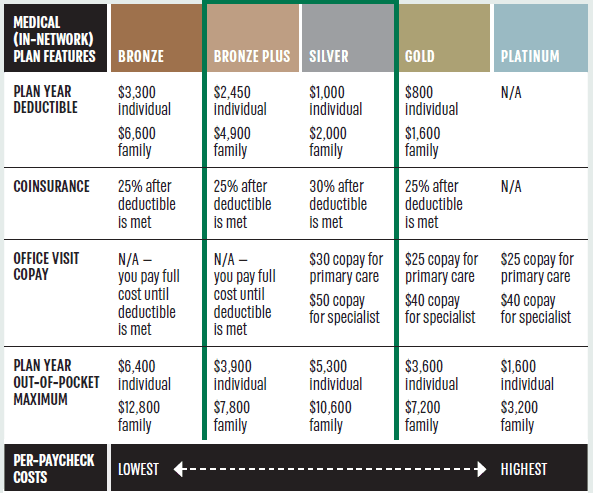
For Starbucks partners trying to figure out what the job really buys them beyond hourly pay, the health plan is one of the clearest places to look. The company says eligible partners can enroll in medical, dental and vision coverage, and its medical plan includes comprehensive gender-affirming care benefits. Starbucks also says it partnered with the World Professional Association for Transgender Health to build that policy, and anyone eligible and enrolled in Starbucks Medical has access to those benefits.
That matters because Starbucks is not selling this as a narrow retail perk. The company’s benefits site also lists life insurance, short- and long-term disability, spending accounts, and supplemental life and accidental death and dismemberment coverage. In practice, that means the benefits package is meant to do more than cover the occasional doctor visit. It is part of how Starbucks tries to position itself as a better labor market option for baristas, shift supervisors and store managers who know that a good schedule is only part of the compensation story.
Who gets benefits, and where the confusion starts
The first thing workers need to understand is that Starbucks uses a specific gatekeeper term: “benefits eligible.” The company says many benefits require that status, including Medical, Dental and Vision, short- and long-term disability, life insurance and AD&D, paid parental leave, and Family Expansion Reimbursement Assistance. Starbucks also says how you become benefits eligible depends on your role, hours and location.
That is where misunderstandings usually begin. A partner can hear that Starbucks offers strong benefits, or that the company makes them available to full-time and part-time employees, and assume the coverage works the same way for everyone. It does not. The practical question is not just whether a benefit exists, but whether your job classification, weekly hours and store location put you in the eligible pool, and whether you are enrolled in the specific plan that opens the door to the coverage you want.
For workers on the floor, that means benefits paperwork should be treated with the same seriousness as a weekly schedule or a shift bid. If you are trying to make the job sustainable, the plan only helps if you know what you are enrolled in, what has to be elected separately, and which benefits sit behind the benefits-eligible threshold.
Gender-affirming care is a central part of the plan, not a footnote
Starbucks has been unusually explicit that gender-affirming care is part of its health coverage. The company says it has covered gender-reassignment surgery since 2012, and in 2018 it expanded transgender health coverage to include procedures that had previously been treated as cosmetic, including breast reduction or augmentation, facial feminization, hair transplants, electrolysis and voice therapy.
That history matters because it shows the current policy is not a one-off announcement. It is part of a longer benefits strategy, one Starbucks has used to signal support for LGBTQIA2+ partners and communities. For workers who need transition-related care, the most important point is simple: Starbucks says anyone eligible and enrolled in Starbucks Medical can access these benefits.
The company also says U.S. partners can get name and gender-marker change support, including advisory services and reimbursement up to $500 for eligible costs tied to those changes. That is the kind of detail many workers miss when they scan a benefits page too quickly. It can be meaningful because the administrative side of transition often carries its own costs, from paperwork to records updates, even before any medical care begins.
Family-building support reaches beyond one path to parenthood
Starbucks’ family-support benefits go well beyond the traditional leave package many workers expect from a restaurant or retail employer. The company says eligible partners can receive paid parental leave when they welcome a new child by birth, foster placement or adoption. It also says its Family Expansion Reimbursement Assistance program helps eligible partners with certain adoption and non-medical surrogacy costs.
That is a real difference in practice. A lot of workers in hourly jobs assume family benefits only cover a narrow set of situations, or that they are unavailable unless you are in a salaried role. Starbucks’ program is broader than that, at least on paper, and the company says it has continued to expand fertility and family-planning support beyond adoption expenses. It also says the package now includes second-parent adoption reimbursement and a higher lifetime maximum with no per-attempt limitations.
For partners weighing whether to stay, move up or leave, this is the kind of benefit that can shape a life decision, not just a work decision. It can matter as much as a raise, especially for workers trying to build a family while managing variable hours and the realities of store life.
Why Starbucks puts so much weight on benefits
Starbucks says it is investing more than $500 million in partners and coffeehouses under its Back to Starbucks transformation plan. Read alongside the benefits page, that tells you how the company wants the story to land: not just as a coffee chain with a schedule, but as an employer that uses health coverage, family support and leave programs as part of its retention pitch.
That does not erase the basic tension workers know well. A generous benefits package means less if your hours fluctuate, your role does not clear the eligibility threshold, or you do not know which plan you are actually enrolled in. But it does explain why Starbucks keeps putting benefits at the center of its employer identity. In a tight labor market, and in a company culture where partners constantly compare promises with daily store reality, health coverage is not a side benefit. It is one of the main ways Starbucks tries to prove that the job is worth staying for.
This article was produced by Prism’s automated news system from verified source data, official records, and press releases, then run through automated quality and moderation checks before publishing. The system is built and supervised by the people who set the standards it runs under. Read our full AI policy.
Did this article answer your question?