Starbucks Korea pauses card sales amid refund scheme concerns
A refund loophole pushed Starbucks Korea to freeze card sales, forcing store teams to police cash-out attempts at the register. The move landed amid boycott fallout.
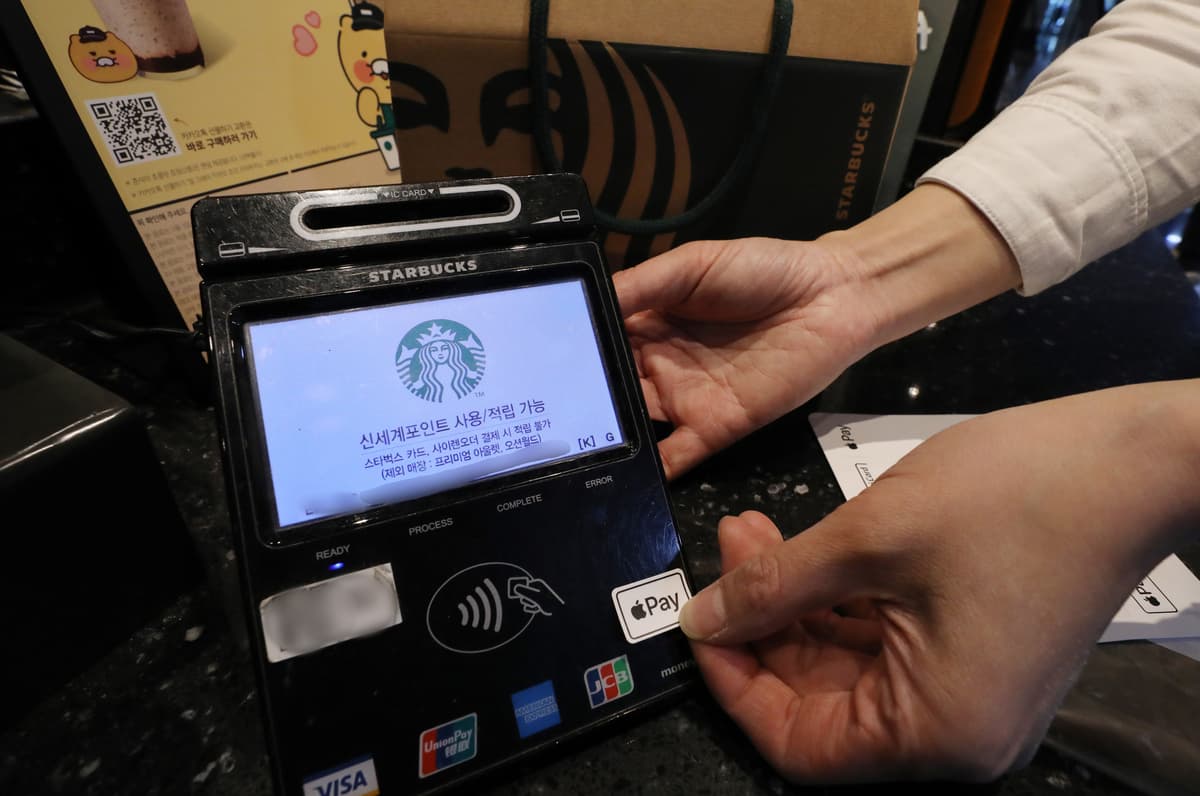
Starbucks Korea’s latest card freeze turned a refund rule into a frontline problem, with baristas and shift supervisors left to manage customer disputes over gift cards, balances and cash-out attempts. The company temporarily halted sales of anonymous physical Starbucks cards and restricted e-card exchange vouchers through June 14 after worries grew that some customers were exploiting a temporary full-refund policy to run arbitrage schemes.
The operational burden is exactly the kind of issue store teams know well: once a payment rule becomes a loophole, the register becomes the enforcement point. In practice, that means more questions over balances, more explanation of refund terms, and more friction when a customer thinks a card can be bought, redeemed and turned back into cash. Starbucks Korea’s usual rule required customers to spend at least 60% of their most recent top-up before getting a refund, a threshold that critics said made cashing out difficult. The temporary shift to unconditional refunds, paired with the sales suspension, was meant to close off that path.

The company’s local operator is SCK Company, a Shinsegae Group subsidiary, and the change arrived during a period of intense public backlash in South Korea. Starbucks Korea’s May 18 “Tank Day” promotion drew accusations that it evoked the 1980 Gwangju Democratic Uprising and helped spark boycott calls. Public apologies from top executives followed, and Reuters and CNBC also reported that the head of Starbucks Korea was fired after the uproar.
Regulators and consumer advocates have now pushed the card issue into a wider debate over fairness. The Fair Trade Commission said it was reviewing whether Starbucks Korea’s card terms unfairly disadvantaged consumers, while the Korea National Council of Consumer Organizations urged the company to refund prepaid balances in full and without conditions. The dispute matters because Starbucks Korea’s prepaid-card business is large: balances were reported at 427.6 billion won, with another estimate putting the figure at about 420 billion won at the end of 2025.
The scale explains why the policy drew attention beyond one company. One report said about 2.6 trillion won had been loaded onto Starbucks Korea prepaid cards over six years, generating 40.8 billion won in interest and investment income. Secondary-market posts also surfaced offering to buy Starbucks cards or e-cards at about 90% of face value, underscoring how quickly a retail payment tool can become a resale product. The refund window ran from June 1 to June 14, and some reports said the sales suspension began May 28.
For Starbucks workers, including those in U.S. stores, the lesson is blunt: payment design does not stay in corporate policy decks. When a loophole appears, it lands on the people working the counter, and customer frustration usually reaches them first.
This article was produced by Prism’s automated news system from verified source data, official records, and press releases, then run through automated quality and moderation checks before publishing. The system is built and supervised by the people who set the standards it runs under. Read our full AI policy.
Did this article answer your question?