Starbucks leans into customization with more protein and unsweetened options
Starbucks is turning modifiers into a core menu strategy, which means more protein and unsweetened drinks but more work on the bar.
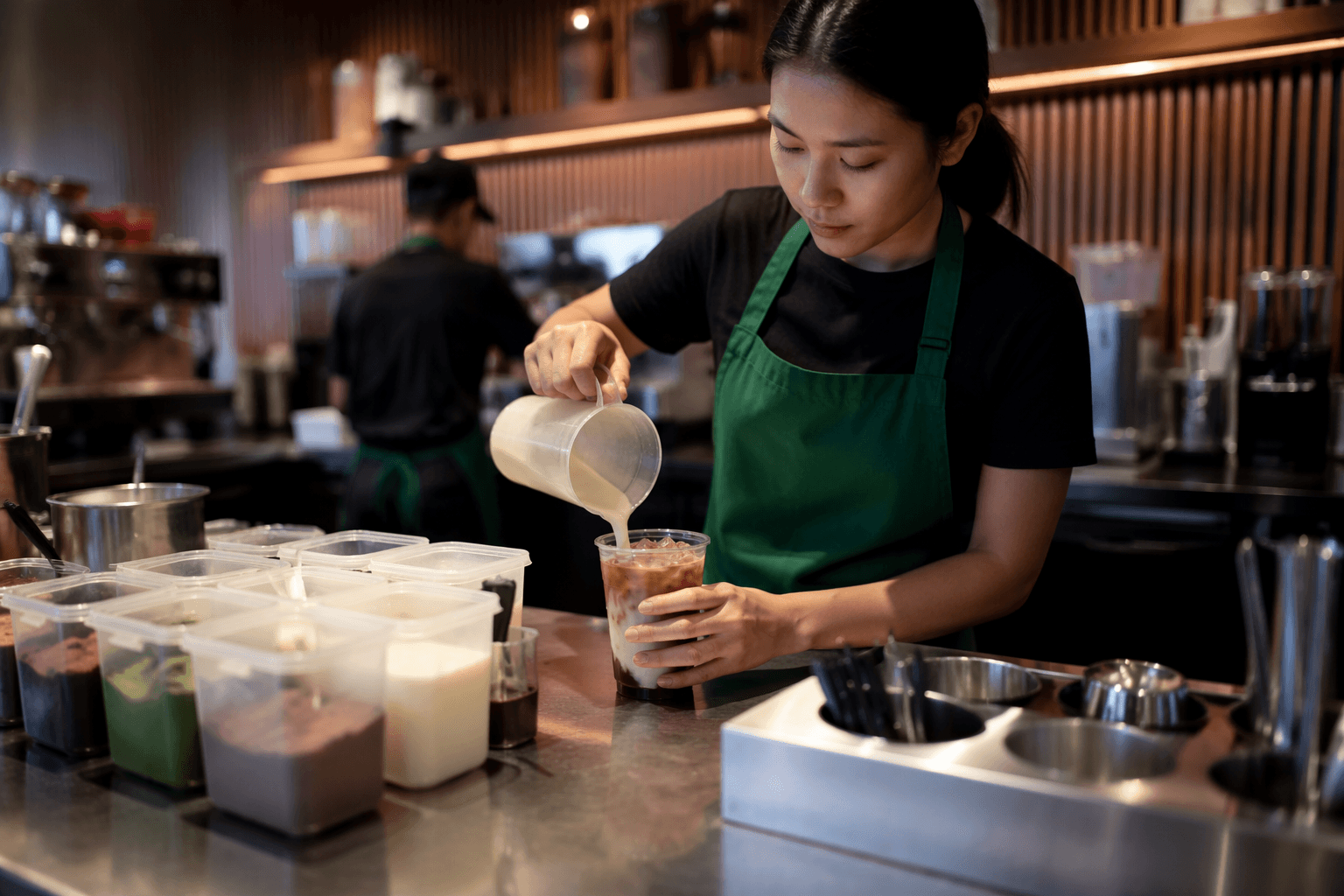
On Nov. 7, 2024, Starbucks removed the extra charge for non-dairy milk in U.S. and Canada company-operated stores. The move made customization part of the drink line itself, not a side request for a patient customer. That shift is good for app-friendly sales and loyalty, but it also pushes more sequencing, more modifier combinations, and more remake risk onto the baristas and shift supervisors who have to keep tickets moving and the handoff plane calm.
Customization is now the operating logic
Starbucks said on March 12 that customers are increasingly tailoring drinks to nutritional preferences by cutting sweetness, choosing non-dairy milk, or adding protein. Starbucks has spent the last two years changing the default build to match that behavior.
In 2024, Starbucks made Starbucks Iced Coffee unsweetened by default and introduced non-dairy cold foams. Those moves were meant to make personalization easier. In practice, they also shift more decision-making into the order itself, which means more chances for a guest to expect one version of a drink and receive another. The company is effectively asking the floor to absorb the complexity of a menu that keeps multiplying its options.
Starbucks has widened the set of drinks customers can order without sweetness built in. Brewed coffee, Americanos, lattes, teas, and other favorites can all be ordered unsweetened, and Energy Refreshers can be made with or without caffeine. Even the premium chai is presented through a customization lens, with just two grams of sugar from honey and room for more pumps of syrup if a customer wants them.
Protein, plant-based items, and the wellness frame
The next layer of that strategy arrived in 2025, when Starbucks introduced protein-boosted milk and protein cold foams. Those protein beverages launched on Sept. 29, 2025, and Starbucks said they deliver about 15 to 36 grams of protein per grande, 16-ounce beverage. Starbucks also said customers can customize 90 percent of beverages with protein options, which makes protein less of a niche add-on and more of a standard build path.
That same wellness language runs through other menu changes. Starbucks expanded flexible options in 2025 with a certified vegan Spicy Falafel Pocket and an unsweetened matcha powder. Starbucks said removing sugar from its matcha powder led to a nearly 40 percent increase in matcha beverage sales. The company has tied that broader push to earlier removals of high fructose corn syrup, artificial dyes, artificial flavors, and artificial trans fats, which places the current customization campaign inside a longer health-and-wellness rewrite of the menu.
For workers, wellness claims can still translate into operational drag. Protein cold foam on one drink, non-dairy milk on another, and an unsweetened build on the next do not just change the nutrition panel. They change the sequence of a bar shift, the reading of stickers, and the odds of a rebuild when a customer expected a viral version and gets a standard one.
The app is training customers to order in modifiers
Starbucks has also moved customization deeper into its digital channels. On July 14, 2025, it launched an official Secret Menu in the app, complete with featured drink customizations and a $25,000 grand prize for customers who submitted a featured creation. By December 2025, Starbucks said some of its most viral drinks were customer and partner customizations shared on social media and inside that Secret Menu.
The more Starbucks turns custom builds into a formal feature, the more customers arrive expecting the store to know the internet drink of the moment. Baristas then have to translate a branded idea into a real recipe, often under pressure and often in a crowded queue. For shift supervisors, that means more coaching, more customer explanation, and more calls to remake a drink when the build does not match the expectation.
Customization also runs through the Rewards program. A reimagined Starbucks Rewards program launches March 10, 2026, with Green, Gold, and Reserve tiers designed to offer more personalized benefits and experiences. Starbucks said the program has more than 35 million 90-day active members, and that Rewards members drove nearly 60 percent of U.S. company-operated revenue in fiscal 2025, more than $13 billion in spend.
The March 2026 refresh also includes Free Mod Mondays, which gives members one drink customization each month at no cost. For store teams, every free custom option still has to be made, checked, and handed off correctly on a floor that is already working against ticket times.
What the pricing story means for labor
Starbucks has not presented customization as a labor issue, but its own financial updates show the cost side of the equation. In its fiscal first-quarter 2025 earnings release, the company said the removal of the non-dairy milk charge, along with partner wage and benefit investments, contributed to operating margin pressure. The company absorbed some customer-facing price changes while also spending more on labor, even as stores handled a more complicated menu without losing speed.
Customers are being encouraged to personalize almost every drink, but the extra work does not disappear when the app makes the order look effortless. It lands on the people steaming the milk, layering the cold foam, checking whether the build is unsweetened, and managing the guest who thought a viral drink would come out exactly the same everywhere.
This article was produced by Prism’s automated news system from verified source data, official records, and press releases, then run through automated quality and moderation checks before publishing. The system is built and supervised by the people who set the standards it runs under. Read our full AI policy.
Know something we missed? Have a correction or additional information?
Submit a Tip