Starbucks maps a clear store-side career ladder from barista to district manager
Starbucks’ ladder is real, but each rung asks for more control, more coaching and more proof you can run a business, not just a shift.
A ladder that looks simple on paper
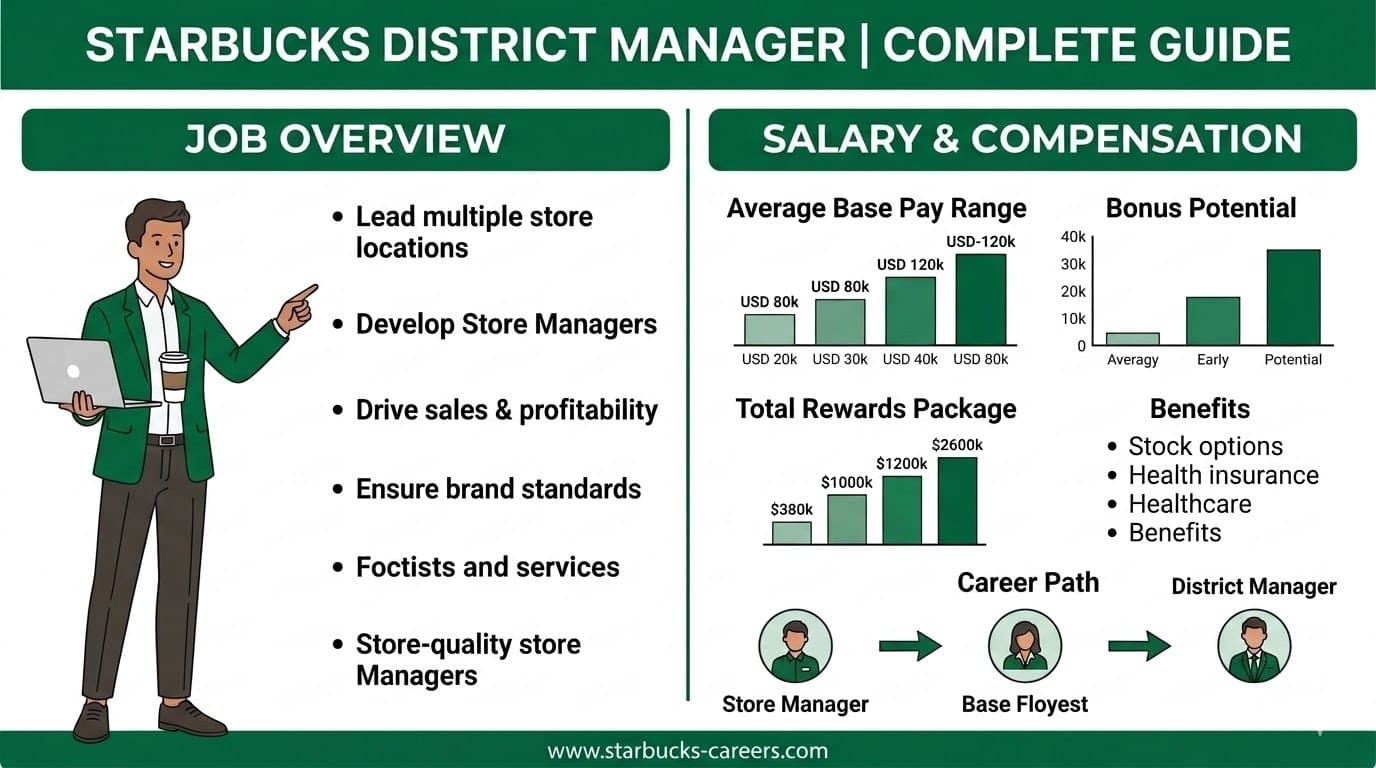
Starbucks has put its store-side career path in plain view: barista, shift supervisor, assistant store manager, store manager and district manager. That clarity matters because it gives hourly workers a map, not just a promise, and it shows how a register job can turn into a management track if the store actually gives people room to learn.
The company’s own description makes the progression feel less like a slogan and more like an operating model. Baristas are framed as the core of the coffeehouse, shift supervisors are the people running the day-to-day shift, assistant store managers are developing management muscles while helping run the store, store managers are expected to run the coffeehouse as if it were theirs, and district managers are responsible for performance across a portfolio of stores. For workers in the Starbucks Workers United era, that distinction matters: a visible ladder only counts if the company also controls the gatekeeping around training, scheduling and stretch assignments.
What the first steps actually demand
The jump from barista to shift supervisor is where the path starts to become more than a title change. Starbucks is effectively describing a set of behaviors that already show up on the floor: sequencing drinks during a rush, backing up a teammate without being asked, and handling a customer problem without letting the line collapse. Those are the same instincts that turn into shift leadership, because the job is less about a new uniform than about whether you can keep a store moving while making operational decisions.
That is why the company’s advice, even when translated into plain workplace terms, is practical. If you are trying to move up, the basics have to be strong first. Then you need to volunteer for the work that exposes you to delegation, scheduling and the small decisions that tell a manager you can handle more than your own station. In a service business like Starbucks, promotion usually follows repeated proof that you can protect the flow of the store when the pace spikes.
The middle of the ladder is where credibility gets tested
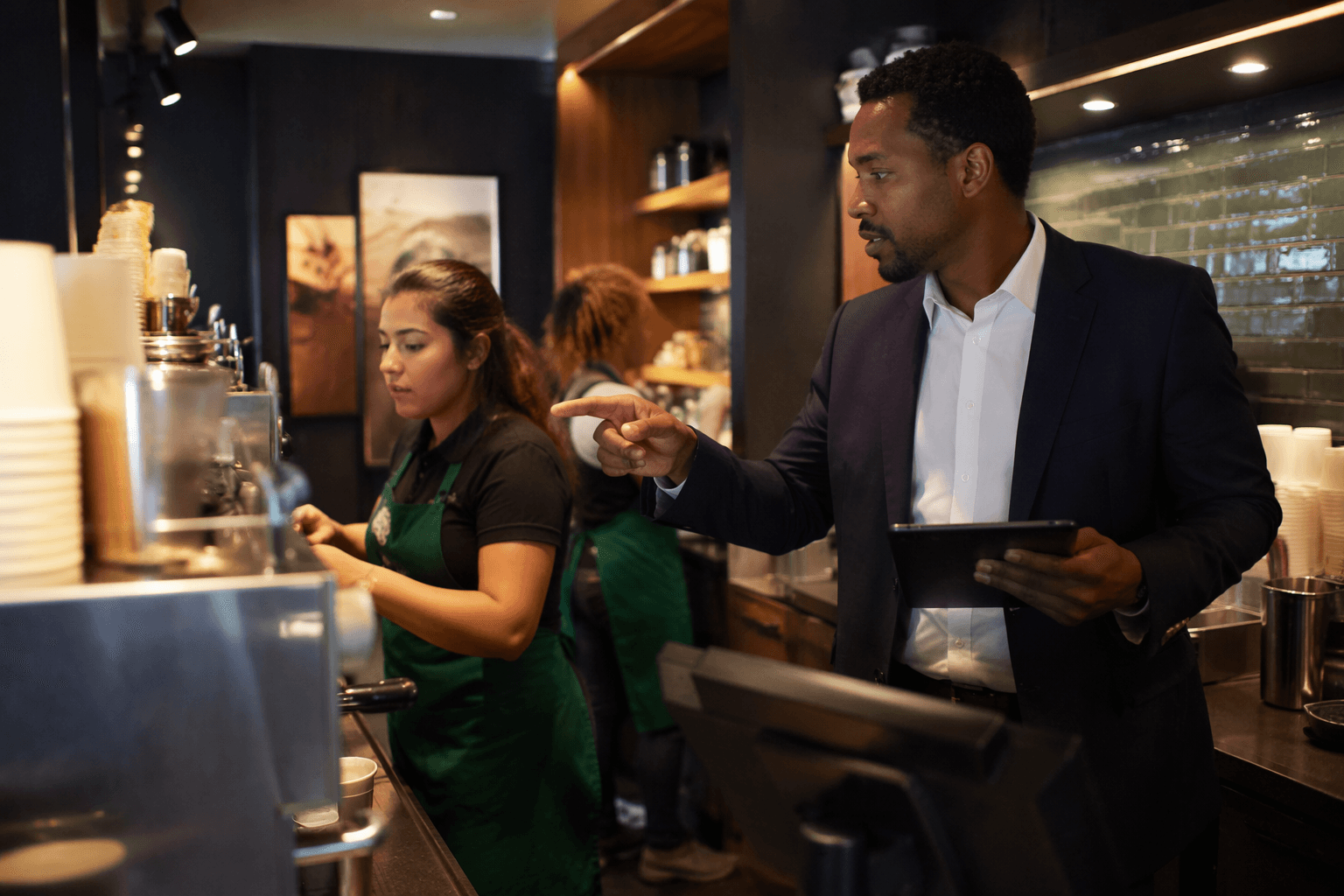
The assistant store manager and store manager roles are where Starbucks’ language shifts from task execution to ownership. Managers are described as front-of-house leaders who spend time on the floor, coach in the moment and look for ways to drive results. That is not a back-office promotion path. It is a hands-on expectation that a manager can read the room, solve problems in real time and still keep the business moving.
Store managers are also being asked to run the coffeehouse as if it belonged to them. That matters because it shows Starbucks is not just looking for people who can close out a shift. It wants leaders who can think in terms of labor, customer connection, staffing, sales and consistency all at once. The district manager step raises the stakes again: now the job is to lead a multi-coffeehouse portfolio and carry accountability for performance across the district, which is a very different scale from helping cover a rush at one store.
Starbucks is widening the ladder, not just describing it
The company’s recent moves suggest it is trying to make the internal pipeline more than a recruiting narrative. In 2024, Starbucks said it was setting a goal of hiring internally for 90 percent of its retail leadership roles within three years. It also said that, depending on role and level, between 59 percent and 83 percent of promotions were already internal. That is a meaningful signal to hourly workers: the company is saying it wants leaders to come from inside the stores, not from outside management pools.
The scale of the funnel is also part of the story. Starbucks says it receives more than 1 million applications each year in the United States for barista roles, while hourly turnover is less than half the industry average. Put together, those numbers explain why the company is talking so much about internal advancement. If the front end of the business is crowded and retention is relatively strong, Starbucks has a large population of workers who could be trained into the next rung, at least in theory.
The coffeehouse coach role is the new pressure point
In 2025, Starbucks piloted 62 full-time coffeehouse coach roles in select coffeehouses in California, Illinois and Texas. The company said 90 percent of those initial hires came from inside Starbucks, which makes the role one of the clearest tests yet of whether the internal ladder is more than a marketing line. Starbucks later said it was transitioning the position to the coffeehouse coach title and expanding it as a way to support leaders, keep stores running smoothly across day parts and create clearer career-growth opportunities.
The company has since said it plans to bring at least one coffeehouse coach to nearly every coffeehouse across the United States and Canada in 2026. It described that move as adding thousands of leadership roles and doubling leadership support in stores. For workers, the practical meaning is simple: there is now a bigger middle layer between the floor and the store manager, which could create more chances to move up, but also more competition for the jobs that sit between hourly work and full store leadership.
What the numbers say about the path upward
Starbucks ties this ladder to performance, not just morale. The company says coffeehouse leaders typically oversee multi-million-dollar businesses and lead teams of around 18 partners on average. It also says 80 percent of its highest-performing coffeehouses had a leader who had been in role for more than one year, and that the share of U.S. company-operated coffeehouses meeting highest-performing standards rose by more than 30 percent. That is the company’s case for stability: keep leaders in place long enough, and the store performs better.
The message to workers is that advancement is being judged in operational terms. It is not enough to be reliable; you need to show you can lift the whole store. That is why Starbucks’ ladder is credible as a management system. It connects experience on the floor to measurable business outcomes, and it gives the company a reason to keep filling leadership roles from within rather than importing managers who would have to learn the culture from scratch.
Training, tuition and the promise of internal growth
Starbucks is also backing the ladder with training and benefits. The Starbucks College Achievement Plan gives eligible partners a path to earn their first bachelor’s degree online, which matters for workers trying to keep one foot in the store while building a longer-term career. The company says it is also building out the Next Leadership Academy to expand career pathways for retail leaders.
Those programs sit alongside weekly pay for hourly partners and compensation programs meant to help partners share in the company’s success. On paper, that creates a more coherent internal market: work the floor, pick up leadership skills, use the education benefit if you need it, then move toward a management role if the store needs you and your performance holds up. In practice, the real test is whether Starbucks keeps turning those promises into actual movement for workers already in the building.
The ladder is visible, and that makes it more serious than a generic recruiting pitch. But visibility is not the same as access. At Starbucks, the path from barista to district manager now comes with more titles, more training and more internal hiring language than before. What workers still have to watch is whether the company uses that ladder to grow people, or mainly to describe a system that keeps asking them to prove themselves one rung at a time.
This article was produced by Prism’s automated news system from verified source data, official records, and press releases, then run through automated quality and moderation checks before publishing. The system is built and supervised by the people who set the standards it runs under. Read our full AI policy.
Know something we missed? Have a correction or additional information?
Submit a Tip