Starbucks offers flexible medical, dental and vision coverage for partners
Starbucks’ health plans can save real money, but only if your hours stay high enough and your family fits the eligibility rules. Miss either, and the coverage gap gets expensive.
At Starbucks, keeping medical, dental and vision coverage can come down to 520 total hours in an audit period. The package sounds straightforward until you look at the parts that decide whether it actually works for you: hours, dependents, and which carrier you pick. Starbucks tells eligible partners they can choose coverage at the "price that works best for you," with multiple levels and insurance carriers, but that choice only matters if you stay eligible long enough to use it.
What the coverage is built to do
Starbucks offers comprehensive medical, dental and vision insurance for benefits-eligible partners and their eligible dependents. Starbucks also describes the package as a "comprehensive range of medical, dental and vision insurance plans," and groups those benefits with mental health resources and other well-being support.
For baristas, shift supervisors and store managers, medical coverage shapes the cost of routine checkups, prescriptions, preventive screenings and ER bills. Dental and vision are easy to postpone when money is tight, which is exactly why they become expensive later.
The hours rules are where the risk starts
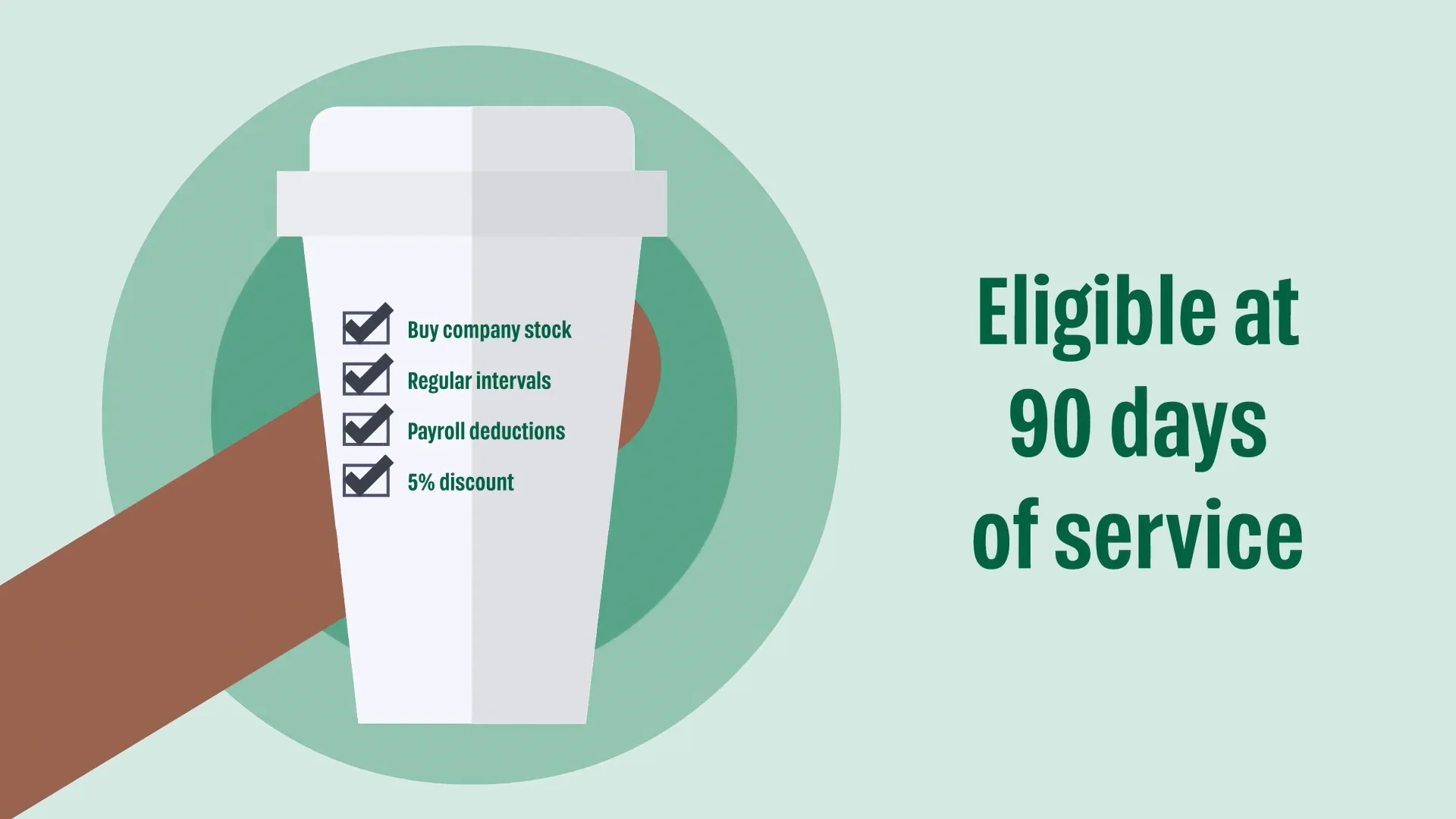
Many Starbucks benefits kick in once partners work an average of 20 hours per week. Some partner benefits are available upon hire, while others require meeting specific criteria, so the headline benefit package does not automatically mean every piece starts on day one. For workers who depend on a steady schedule, that distinction can decide whether a plan is active or out of reach.
The company’s eligibility audit calendar for U.S. mainland partners adds another layer: workers had to keep at least 520 total hours for each audit period to remain eligible for benefits. That rule can hit hard after a store cuts hours, a partner misses shifts, or a schedule gets reshuffled. In a Starbucks environment where pay raises, tip changes and staffing levels already shape the floor, losing eligibility because hours dip below a threshold can be the difference between a covered specialist visit and a bill paid entirely out of pocket.
Benefits questions also matter inside the Starbucks Workers United organizing wave. When partners talk about scheduling, staffing and labor leverage, they are also talking about whether enough hours are actually there to protect coverage.
How Starbucks built more choice into the plan
Starbucks’ current setup did not come out of nowhere. In July 2016, the company announced expanded health benefits through a private health care exchange for eligible U.S. workers, saying the move would give employees more choice and save them money. At the time, workers could choose from up to six different medical insurance providers instead of one, with five levels of medical coverage and three levels of dental and vision coverage.
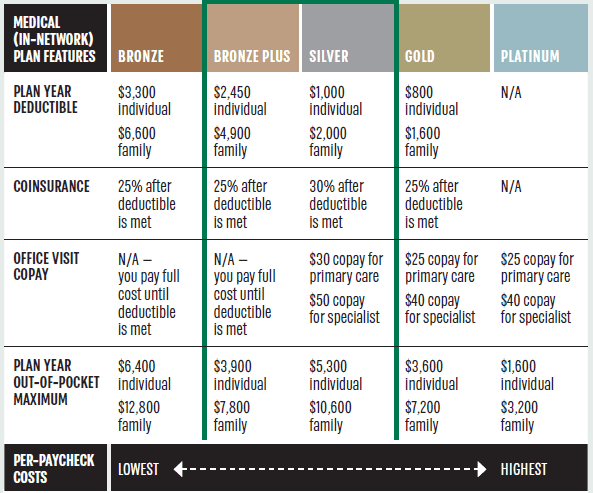
A worker who sees doctors often may want a different setup than someone who mainly wants low-cost preventive care. Someone with children may care more about family coverage and dental than a single worker in their twenties. Workers still have to compare what is actually covered before a claim lands on the counter.
A plan can look affordable on paper and still become costly if a doctor, dentist or eye care provider is out of network, or if a prescription is handled differently than expected.
When partners need to check the fine print
The safest moment to review coverage is not after a bill arrives. It is during open enrollment, after a life event, or any time your hours or family situation changes. Those are the points when eligibility, dependent coverage and plan choice can shift, and when a partner can still compare deductibles, copays and provider networks without racing a claim deadline.
A quick checklist makes the difference:
- Confirm whether you are benefits-eligible now, and whether your current hours still keep you near the 20-hour average many Starbucks benefits require.
- Check whether your spouse, partner or children qualify as eligible dependents before you assume family care is covered.
- Compare which doctors, dentists and eye care providers are in network under the carrier you picked.
- Review prescription coverage before you refill, especially if you rely on recurring medication.
- Recheck the plan after your schedule changes, because 520 total hours per audit period is a hard number, not a suggestion.
Why Starbucks keeps touting benefits value
Starbucks has leaned hard on outside validation to support its benefits pitch. In 2023, Starbucks said an Aon analysis ranked it No. 1 in overall hourly benefits value compared with more than 50 U.S. companies. In 2026, Starbucks said another Aon analysis again ranked it No. 1 in overall hourly benefits value compared with more than 60 U.S. retail companies.
This article was produced by Prism’s automated news system from verified source data, official records, and press releases, then run through automated quality and moderation checks before publishing. The system is built and supervised by the people who set the standards it runs under. Read our full AI policy.
Did this article answer your question?