Starbucks outlines job applicant accessibility support and accommodations
Starbucks gives disabled applicants a direct email and phone line for accommodations, but the real test is whether the hiring process is as accessible as the policy says.

Starbucks has put a clear front door on its hiring accommodations policy, and that matters because a confusing job search can become a closed door for applicants with disabilities. The company’s careers pages point candidates to a specific email and phone number, while its broader equal-employment policy repeats that applicants needing help can ask for it as part of the hiring process. For baristas helping a friend get in the door, or managers trying to recruit fairly, that is the practical value of the page: it turns accessibility from an abstract promise into a concrete contact point.
Where applicants should ask for help
Starbucks says job applicants with disabilities can request reasonable accommodations through its accessibility policy and its hiring-process guidance. The company’s contact point is applicantaccommodation@starbucks.com and 1 (888) 611-2258, which gives candidates a place to start without having to guess which recruiter, store, or district leader should handle the request. Starbucks’ EEO policy also says overall responsibility for the policy sits with the director of EEO compliance, working with Partner Resources.
That matters because the hiring process can move fast in retail. If an applicant needs a different interview format, extra time, or another adjustment, the policy is meant to give them a way to raise the issue before the process moves on without them. In practice, that means the request belongs inside the hiring journey, not off to the side as an afterthought.
What Starbucks says it can support
The company’s language is straightforward: it says it is an equal opportunity employer and is committed to offering reasonable accommodations to job applicants with disabilities. The repeated message across its careers materials signals that accommodations are not supposed to be limited to a legal footnote buried in fine print.
For applicants, the useful part is the specificity. Starbucks points people to a direct email and phone line rather than a generic corporate inbox, which can save time when someone is juggling transportation, disability-related documentation, or the logistics of an interview. For current workers, the company uses a separate process, directing partners to the Partner Contact Center at (888) SBUX411 (728-9411) or a workplace-accommodation webform.
That separation is important for employees on the floor. A barista or shift supervisor who develops a chronic health issue, or who needs a change in how a job is performed, is not supposed to be forced back through the same applicant channel. Starbucks’ setup suggests a split between hiring accommodations and workplace accommodations, which is exactly the kind of distinction workers need to know when they are trying to navigate the system quickly.
Why the law matters here
Starbucks’ policy sits on top of a legal baseline that is broader than any single company statement. The EEOC says Title I of the Americans with Disabilities Act makes it unlawful for employers with 15 or more employees to discriminate against qualified applicants or employees with disabilities. That is the standard Starbucks is operating under, not just the brand language on its careers page.
The company’s own history gives the policy extra weight. In 2011, the EEOC said Starbucks agreed to pay $75,000 and provide other relief to settle a disability discrimination lawsuit involving a barista with dwarfism in El Paso, Texas. The agency said the case involved allegations that Starbucks denied a reasonable accommodation and fired the worker because of her disability. For applicants reading the policy today, that history is a reminder that accessibility is not a branding exercise. It is a compliance issue with real consequences when a company misses the mark.
The retail-access push is bigger than hiring
Starbucks has also been trying to frame accessibility as part of the physical retail experience, not just employment paperwork. On February 16, 2024, the company announced an Inclusive Spaces Framework for its U.S. stores. Starbucks said the first store built under the framework opened in Washington, D.C.’s Union Market neighborhood, and that the design includes features such as optimized acoustics, power-operated doors, and improvements for customers with low vision.
The company said all new and renovated U.S. stores would begin incorporating the framework, with a goal of reaching an elevated standard of accessibility by 2030. That matters to workers as much as customers. A store with quieter acoustics, easier entry, and better visual access can change how an interview feels, how onboarding works, and how manageable a shift becomes for someone with a disability.
Starbucks has also said it has scored 100 on the Disability Equality Index for nine years. The company says that score reflects feedback from partners, its Disability Advocacy Network, and disability-access experts from Disability:IN and the American Association of People with Disabilities. Taken together, that is Starbucks trying to show that accessibility is woven into brand, design, and employment policy all at once.
What this means on the floor
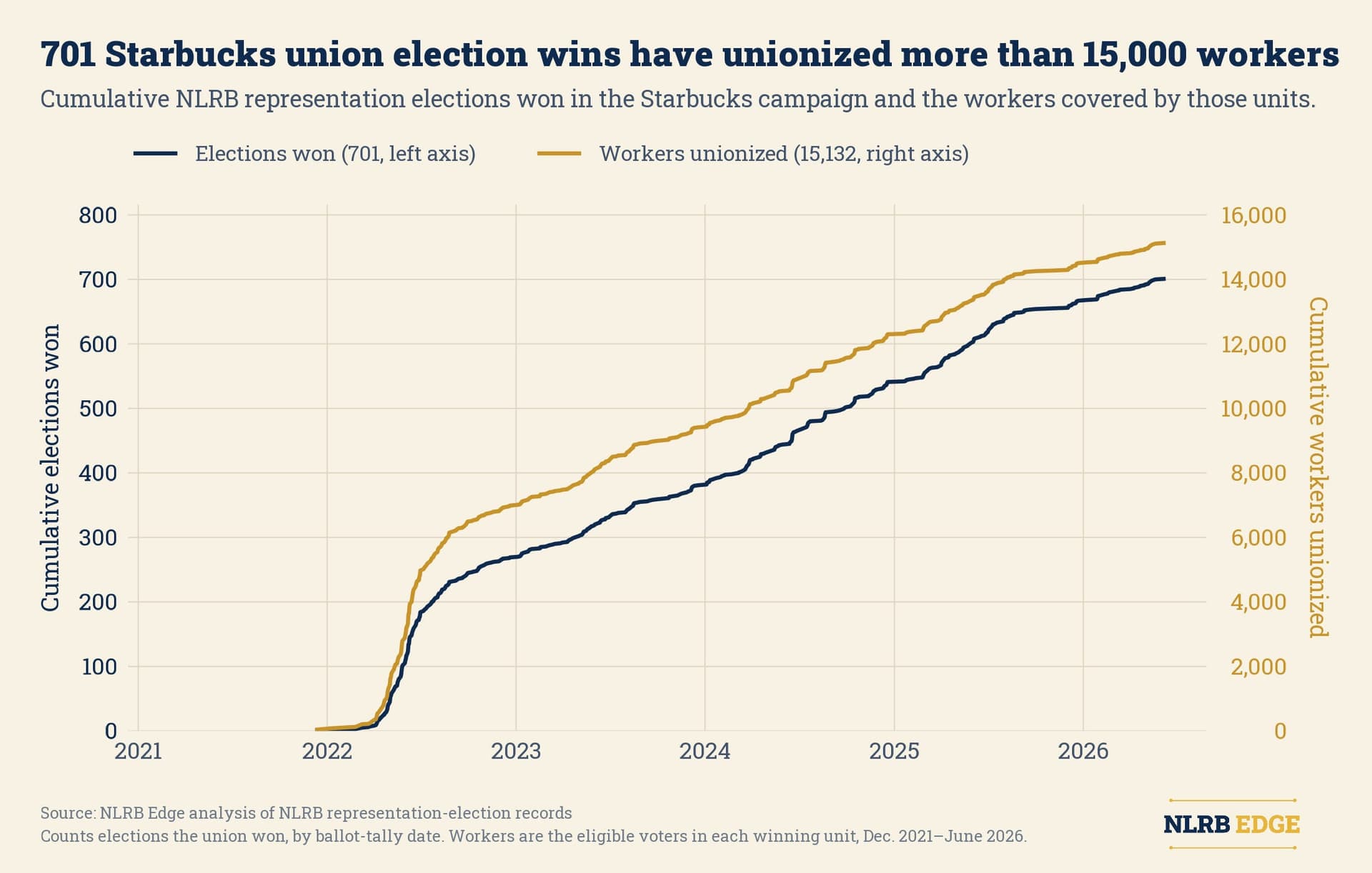
For Starbucks workers, accessibility is not separate from the rest of the labor conversation. In stores where pay raises, tip changes, scheduling, hours guarantees, and Starbucks Workers United organizing have put day-to-day conditions under the microscope, accommodations are part of the same larger question: can the company actually make the job workable for the people it wants to hire and keep?
That is where managers matter most. A store manager who knows the applicant-accommodation contact, and who understands that the company has a formal employee process too, can prevent small barriers from turning into lost hires. A shift supervisor or barista who helps a candidate understand where to ask for help can make the difference between a missed interview and a job offer.
Starbucks has put the policy in writing, but written policy is only the starting point. The real measure is whether a candidate who needs support can move through hiring without having to fight for basic access at every step.
This article was produced by Prism’s automated news system from verified source data, official records, and press releases, then run through automated quality and moderation checks before publishing. The system is built and supervised by the people who set the standards it runs under. Read our full AI policy.
Did this article answer your question?