Starbucks perks include free coffee, discounts and partner networks
Starbucks’ perk pitch is really about small but real savings: weekly coffee, a 30% discount, Spotify and partner networks that can make the floor feel less isolating.
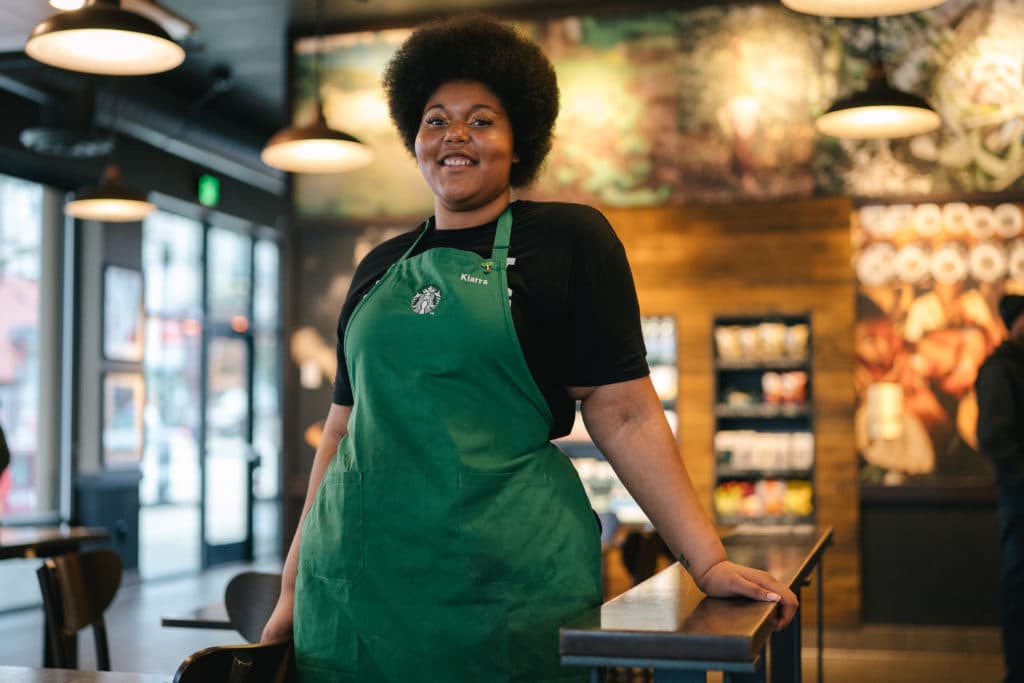
Starbucks wraps a lot of branding language around its benefits, but the parts that matter most on the floor are pretty concrete. If you work a store shift, the weekly coffee or tea, the 30% discount on drinks, food and merchandise, and Spotify Premium can lower everyday costs in ways a paycheck alone does not. The bigger story is that Starbucks uses perks to sell a version of the job built around belonging, while some of the more comfortable benefits still live on the corporate side of the company.
What actually saves you money
The most immediately useful perk for café workers is the free pound of coffee or box of tea every week. That is not flashy, but it is the kind of benefit you notice in your grocery bill, especially if you are taking home coffee for yourself or tea for your household. The current benefits pages also say partners get 30% off drinks, food and merchandise, which matters in a chain where many workers are already eating and drinking on-site during a long shift.
Spotify Premium is another benefit that is easy to dismiss until you think about the commute, the break room or the close. For workers who are on the road early, taking transit, or trying to make a shift feel less draining, a music subscription has a real day-to-day payoff. Starbucks also lists affiliate discounts, which fit the same pattern: they are not life-changing alone, but they chip away at the small expenses that add up in a food-service job.
The perk that is really about identity
Starbucks calls its employees partners for a reason, and the company ties that language to belonging and culture. Its Partner Networks are business resource groups meant to connect workers with shared interests, create moments of connection and open growth opportunities. The company says it has 14 partner networks in the United States and more than 100 regional chapters, which gives the program more reach than a simple perk list might suggest.
For store employees, that can matter in a very practical way. A high-volume café can feel isolating fast, especially when breaks are short and the pace is relentless. A network that gives people a place to connect outside the rush can reduce some of the emotional grind, even if it does not change the pressure of the floor itself. Starbucks also uses the language of community here as part of its recruiting story, but workers know the real test is whether that sense of connection survives the schedule, the staffing levels and the rush hour line.
What the company says about growth
Starbucks also leans hard on internal advancement. The company says it is committed to hiring 90% of its retail leader roles internally, which helps explain why perks and belonging show up so prominently in recruiting. If you are a shift supervisor or a barista trying to move up, that promise is not just a slogan; it is part of the pitch that today’s store job can turn into tomorrow’s management job.

That matters in the context of organizing and bargaining, too. In stores where workers are pressing for better hours, stronger staffing and more stable working conditions, a benefits package like this can look like both a genuine retention tool and a reminder of what it does not solve. Free coffee and a discount help, but they do not fix a bad schedule or make a short-staffed day easier. Starbucks clearly understands that internal growth is cheaper than constant turnover, and it uses perks to make that path look worth staying for.
What is for stores, and what is not
The company’s perk pages also make a quiet distinction between retail work and corporate work. Starbucks says Support Center employees in Seattle have access to an on-site gym, daycare and dry cleaning. That is useful context, but it is not a store benefit, and it should not be confused with what baristas and shift supervisors actually get on the ground.
That gap tells you something about how Starbucks packages work-life balance. The brand wants workers and applicants to see one broad culture of care, but the lived version of that care depends on where you work in the company. A café employee gets the weekly coffee, the discount, Spotify and the network. A headquarters employee gets a very different, much more comfortable version of support. The message is the same either way, but the daily experience is not.
How the perk package has changed
Starbucks’ own earlier partner-care materials showed a broader package than the current careers snapshot suggests. Workers were told they could get any handcrafted beverage free of charge while on break, access to more than 2,000 discounts through LifeWorks, and gift matching up to $1,500 per fiscal year. The current careers pages still include a matching gift program, but they now describe eligible nonprofits as receiving up to $1,000 a year in company match.
That change does not make the benefit meaningless, but it does show how these packages evolve. What stays constant is the company’s attempt to tie benefits to a bigger story about support, morale and retention. For workers, the important question is less about the branding and more about what shows up in real life: the coffee you do not have to buy, the discount that cuts a food run, the music subscription that gets you through a commute, and the sense that you are not entirely on your own when the store is slammed.
In the end, Starbucks’ benefits package works best as a stress reducer, not a substitute for fair pay, stable hours or a workable store. That is why it remains such a useful part of the company’s pitch, and such an incomplete one.
This article was produced by Prism’s automated news system from verified source data, official records, and press releases, then run through automated quality and moderation checks before publishing. The system is built and supervised by the people who set the standards it runs under. Read our full AI policy.
Did this article answer your question?