Starbucks protein drinks face whey shortage, prices surge
Starbucks’ protein push is running into a whey squeeze, raising the odds of out-of-stocks, pricier drinks and tougher customer conversations for baristas.
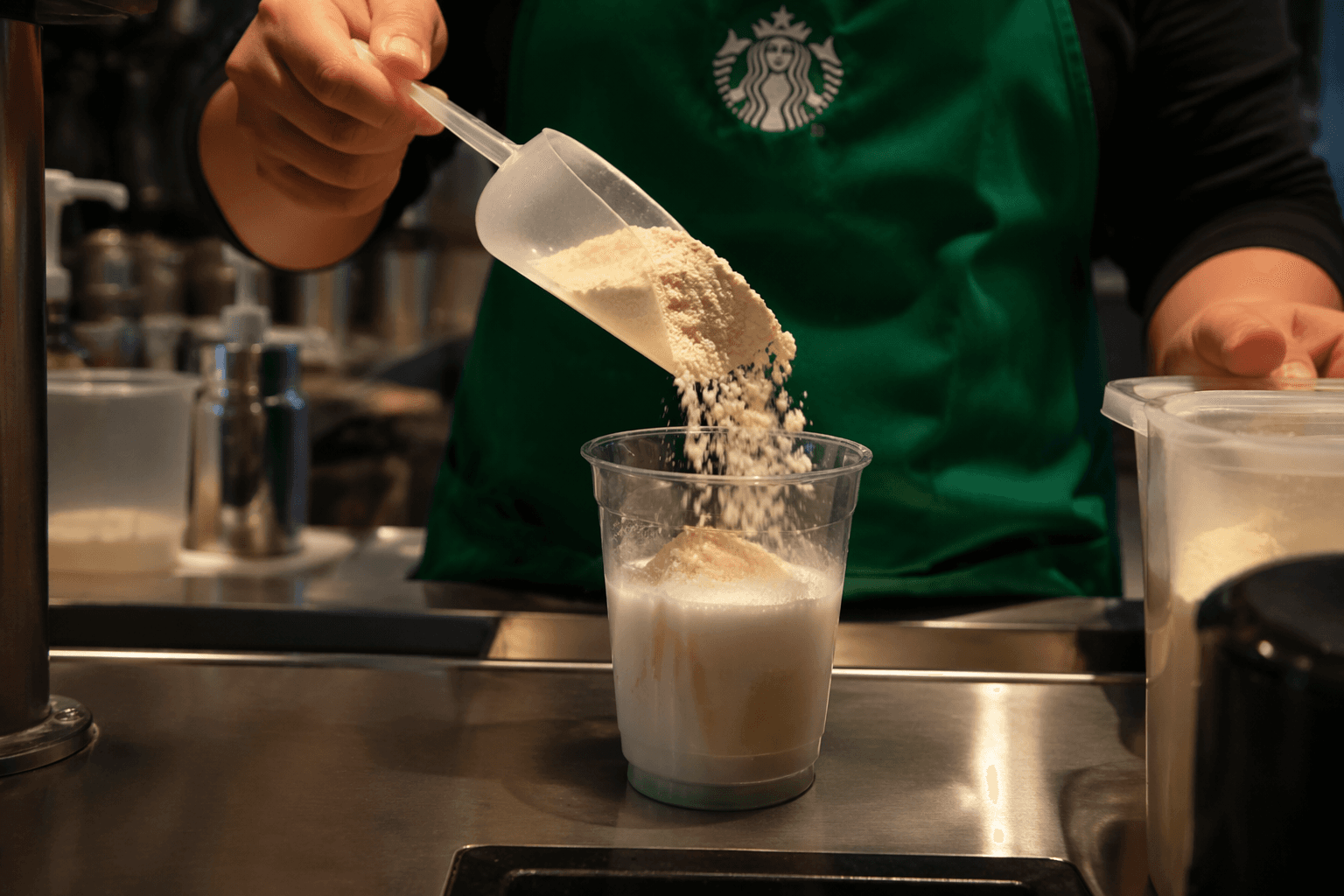
Starbucks’ protein drinks are landing in a tighter market just as the company is pushing them into more cafes. The result for stores could be familiar to any barista on a slammed shift: a menu item that sells well, runs short, and leaves partners explaining why a drink is suddenly unavailable or costs more than expected.
The pressure comes from whey. Bloomberg reported June 1 that food makers have leaned hard into whey protein across snacks, lattes and other products, but supply has struggled to keep up as demand surged. Starbucks is part of that trend because its Protein Cold Foam and Protein Lattes were rolled out as part of its “Back to Starbucks” menu modernization strategy, with a launch in the U.S. and Canada on Sept. 29, 2025. Starbucks said the drinks use premium whey and deliver roughly 15 to 36 grams of protein per grande beverage.
That matters on the floor because protein drinks are not just another flavor variant. They depend on a commodity that has become harder to source and more expensive to buy. In late April, USDA Agricultural Marketing Service reporting said whey protein concentrate prices were in the upper $10s to lower $11s per pound for instantized product, whey protein isolate remained in the $12s, inventories were tight, and some suppliers were sold out for the rest of the year. The same reporting said one manufacturer was expected to stop producing WPC 34% after the summer, a move that would tighten availability further.
The shortage is showing up across the broader dairy business, not just at Starbucks. The National Milk Producers Federation said in May that whey protein concentrate use rose almost 20% in March despite steep prices, even as demand for high-protein dairy products kept climbing. The International Food Information Council’s 2025 Food & Health Survey found 70% of Americans said they were trying to consume protein, a reminder that Starbucks is selling into a market where “high protein” has become a mainstream ask, not a niche one.
For store teams, that can translate into more than supply headaches. Partners may have to field questions about why a protein drink costs more, why a build is taking longer during rush, or why a product is temporarily missing from the line. It also fits with Brian Niccol’s broader reset effort, which has tied new menu items to speed and simplification while still adding innovation. At store level, though, every new protein drink adds one more place where commodity markets can become a cafe problem.
This article was produced by Prism’s automated news system from verified source data, official records, and press releases, then run through automated quality and moderation checks before publishing. The system is built and supervised by the people who set the standards it runs under. Read our full AI policy.
Did this article answer your question?