Starbucks says part-time workers can qualify for health insurance
Part-time Starbucks workers can get health coverage after four weeks and 80 hours, but they must keep averaging 20 hours a week or lose it.
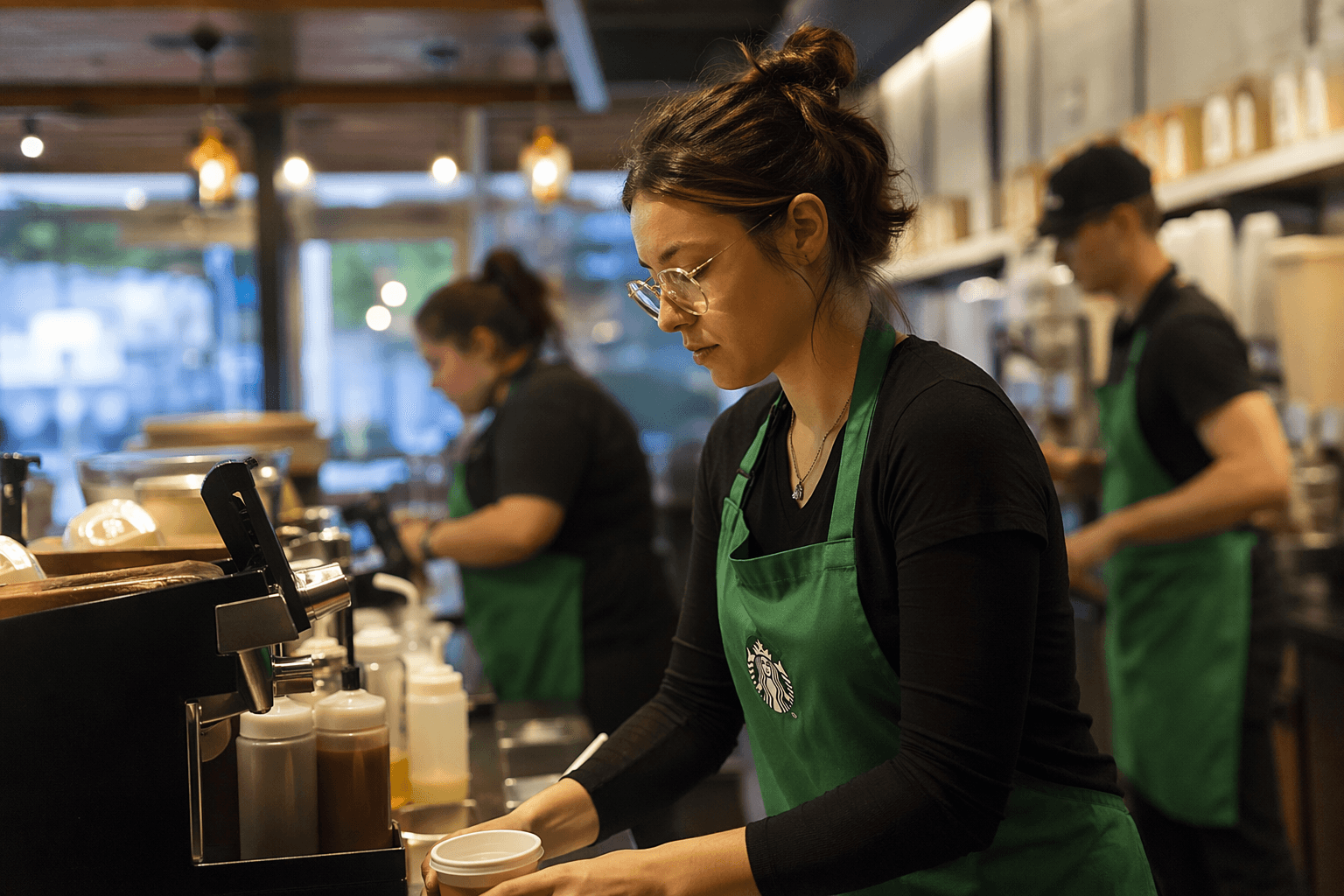
Starbucks says part-time baristas can qualify for health insurance, but only if they can keep their schedules steady enough to clear the company’s 20-hour threshold. Retail hourly partners first become eligible after four consecutive weeks of employment and at least 80 total hours, then have to keep averaging 20 hours a week, or 80 hours total, during the four weeks before each eligibility audit.
That is the fine print behind one of Starbucks’ most important recruiting claims. The company says eligible partners can get medical, dental and vision coverage, life insurance, disability coverage, spending accounts and other benefits. Its careers site also lists mental health support, including 20 therapy sessions a year through Lyra Health and free access to Headspace, plus paid parental leave after birth, adoption or surrogacy, with the June 17 explainer putting that leave at up to 18 weeks.
The catch for baristas, shift supervisors and store managers is that the benefit depends on hours that are often hardest to control in food service. A worker can qualify on paper and still lose coverage if cuts, callouts, labor changes or a weak schedule push weekly averages below the line before the next audit. That makes scheduling stability more than a staffing issue. For Starbucks Workers United and for employees trying to stay covered while juggling rent, school or child care, hours are the difference between a benefit that exists in theory and one that can actually be used.
Starbucks has tried to frame that package as part of its broader “Back to Starbucks” reset. The company says it has invested more than $500 million in partners and coffeehouses, that the total pay-and-benefits package for hourly partners working 20 or more hours a week is worth more than $30 per hour on average, and that 2026 brought quarterly Back to Starbucks Partner Rewards worth up to $1,200 a year and weekly pay for all U.S. partners. Starbucks also leans on its history, saying it offered full health benefits to eligible full- and part-time employees early in the company’s life, then added Bean Stock in 1991 after turning a profit in 1990 and launched the Starbucks College Achievement Plan in 2014 with Arizona State University.

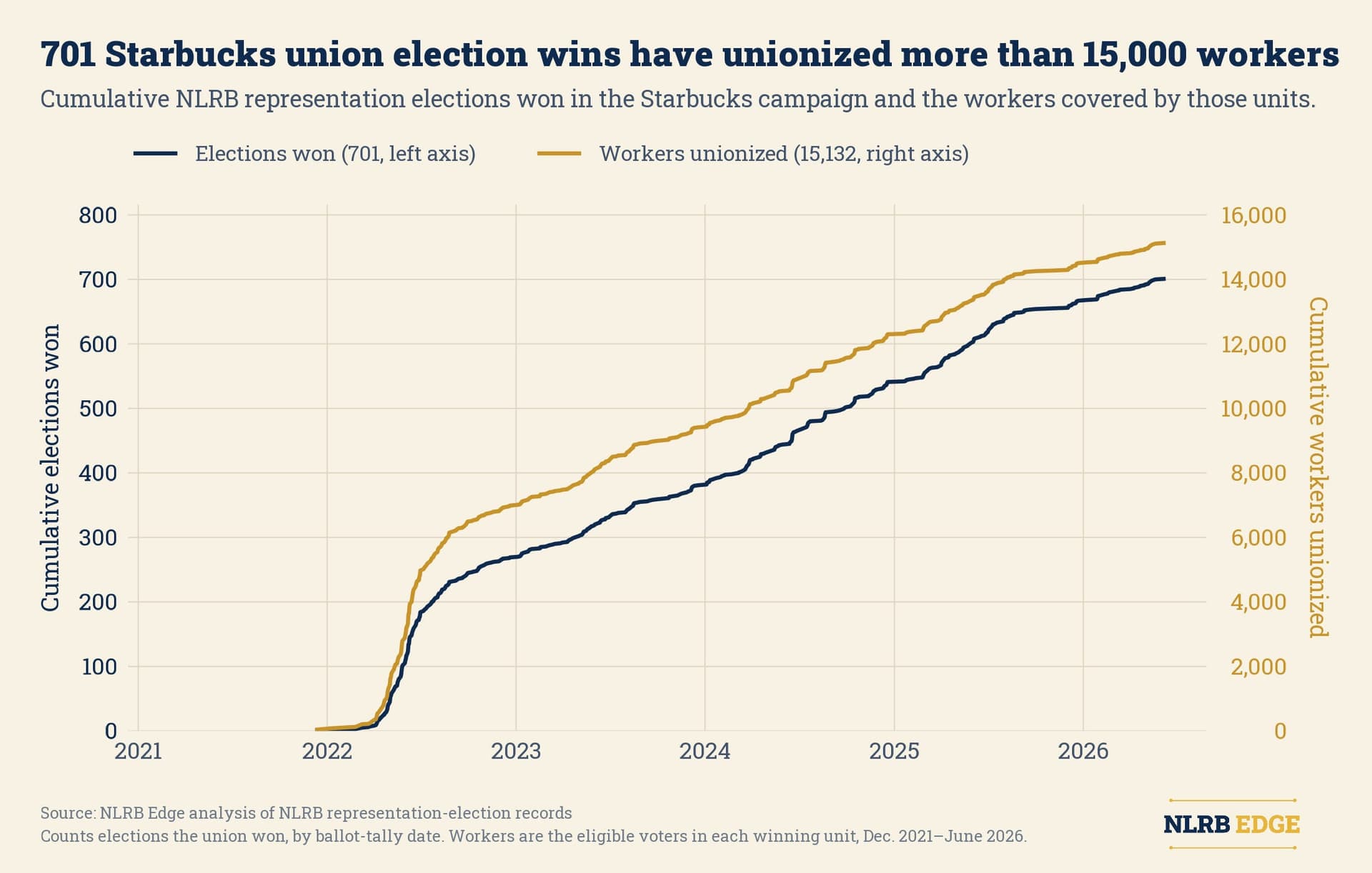
The labor backdrop explains why the company’s health-coverage pitch is being tested so closely. Starbucks Workers United said in March 2026 it sent Starbucks a comprehensive contract proposal seeking 4% annual raises and stronger workplace protections, and by early June said more than 12,000 workers at more than 700 stores were in the union. New York City added to that pressure in December 2025, announcing a $38.9 million settlement over Fair Workweek violations that it said affected more than 15,000 workers and involved more than 500,000 violations over three years. For Starbucks, the question is no longer just whether part-time coverage exists. It is whether the company can keep enough workers above 20 hours long enough for the benefit to matter.
This article was produced by Prism’s automated news system from verified source data, official records, and press releases, then run through automated quality and moderation checks before publishing. The system is built and supervised by the people who set the standards it runs under. Read our full AI policy.
Did this article answer your question?