Starbucks says partner investments are driving turnaround gains
Starbucks is pointing to $500 million in partner spending, fuller schedules and filled shifts as proof its turnaround is working, while workers ask who actually benefits.
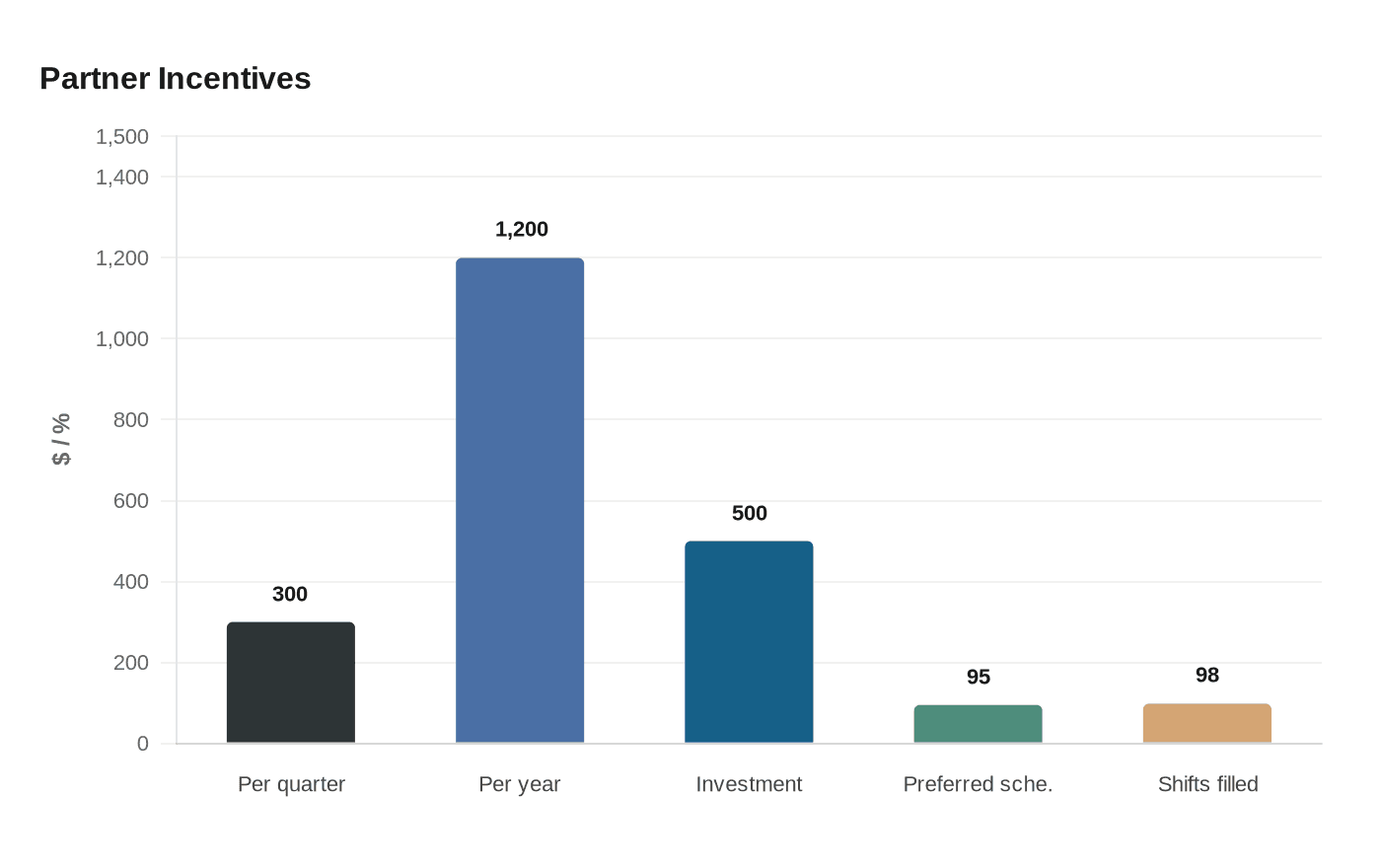
Starbucks is leaning on a simple argument: put more into partners, and the stores should perform better. The company said it has invested more than $500 million in coffeehouse partners since launching Back to Starbucks, and said those dollars have improved staffing, scheduling, leadership stability and service standards. It also said nearly 95% of partners were getting their preferred schedules and 98% of available shifts were filled.
That message landed alongside a stronger sales report. Starbucks said it delivered growth on both the top and bottom line for the first time in more than two years when it reported FY26 second-quarter results on April 28, 2026. The next day, the company doubled down on the idea that labor spending is part of the turnaround, not a side issue. For baristas, shift supervisors and store managers, the important part is not the corporate slogan. It is whether those numbers show up in the day-to-day reality of a store, where fewer gaps on the floor can mean faster service, less chaos at peak and a more workable shift.
The turnaround has been built around labor deployment from the start. Brian Niccol became Starbucks chief executive on September 9, 2024, and the next day published his Back to Starbucks open letter. By June 2025, Starbucks said it was accelerating rollout of its new staffing and service model to all 18,000 North American stores by the end of summer, rather than limiting it to only a third of U.S. stores by year-end. Later, at the company’s 2025 Leadership Experience in Las Vegas, Starbucks tied the program to clearer operating standards, hospitality and a goal of four-minute wait times.
Starbucks added another piece on April 2, 2026, when it announced a quarterly incentive rewards program for eligible hourly partners and shift supervisors. Workers can earn up to $300 per quarter, or $1,200 a year, if their stores hit sales, operations and customer service targets. The company also said it would expand tipping and move U.S. workers to weekly pay, with unionized stores subject to collective bargaining on the changes.
That is where the pay-off question gets sharper. Starbucks Workers United said the bonus and tipping changes were a reaction to organizing and criticized the bonuses as largely out of baristas’ control because they depend on customer tipping and store performance metrics set by management. The union has kept pressing for better staffing, more predictable schedules and higher pay in contract talks. If Starbucks wants its partner investment story to stick, workers will judge it by whether stores are better staffed, hours are steadier and the work feels more manageable, not by how well the company’s messaging lands on Wall Street.
This article was produced by Prism’s automated news system from verified source data, official records, and press releases, then run through automated quality and moderation checks before publishing. The system is built and supervised by the people who set the standards it runs under. Read our full AI policy.
Know something we missed? Have a correction or additional information?
Submit a Tip