Starbucks says turnaround will rebuild coffeehouse culture and connection
Starbucks’s turnaround is reaching into every shift: simpler menus, more hours, café reworks and labor talks all aim to make stores feel like coffeehouses again.
Starbucks is trying to remake the everyday shift, not just the menu board. Under Back to Starbucks, the company says it is rebuilding coffeehouse culture around coffee, human connection and what it calls the best jobs in retail, tying store design, staffing and labor relations into one turnaround story.
A turnaround built around the café
The company first publicly rolled out Back to Starbucks in September 2024, and by January 2026 Brian Niccol was describing it as the company’s “strategic currency,” while saying the work was ahead of schedule. That matters because it shows this is not a short-lived branding push. It is the umbrella strategy for how Starbucks wants stores to look, feel and operate across a global footprint of more than 41,000 company-operated and licensed coffeehouses.
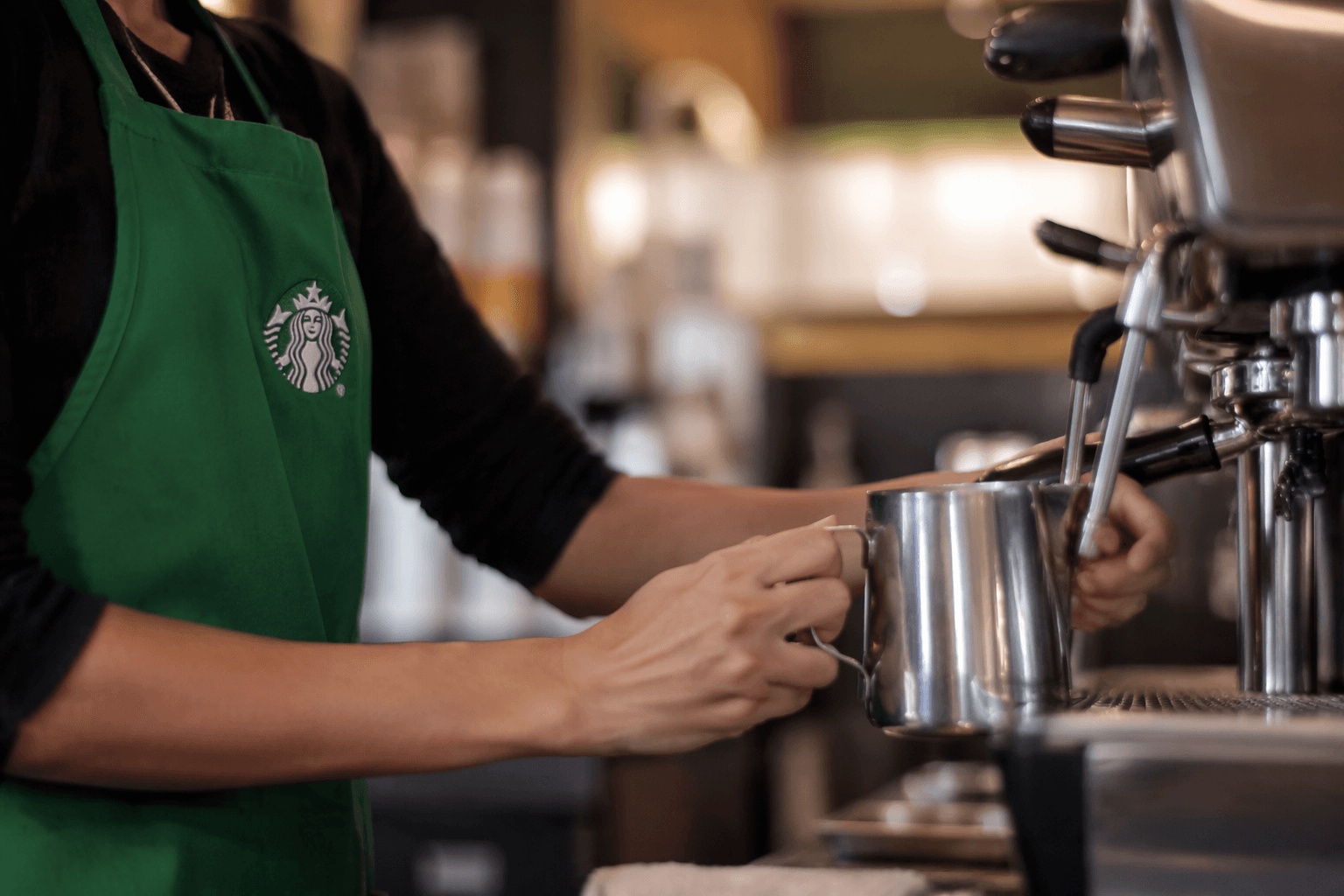
For store teams, that broad framing explains why so many changes keep landing at once. Starbucks is not just asking partners to move drinks faster. It is asking the café to function like a place where guests stay, order brewed coffee, talk to each other and feel a human presence on the floor. That changes the job for baristas, shift supervisors and store managers alike, because the experience now includes the room itself, not only the transaction at the counter.
What changes on the floor
The clearest operational shift has been menu simplification. In January 2025, Starbucks said it would cut its menu by about 30 percent, arguing that fewer items would reduce wait times, improve quality and consistency, and create room for innovation. For workers, that kind of change usually means less complexity at the bar, fewer off-rhythm custom builds, and a tighter focus on the drinks that actually drive the day.
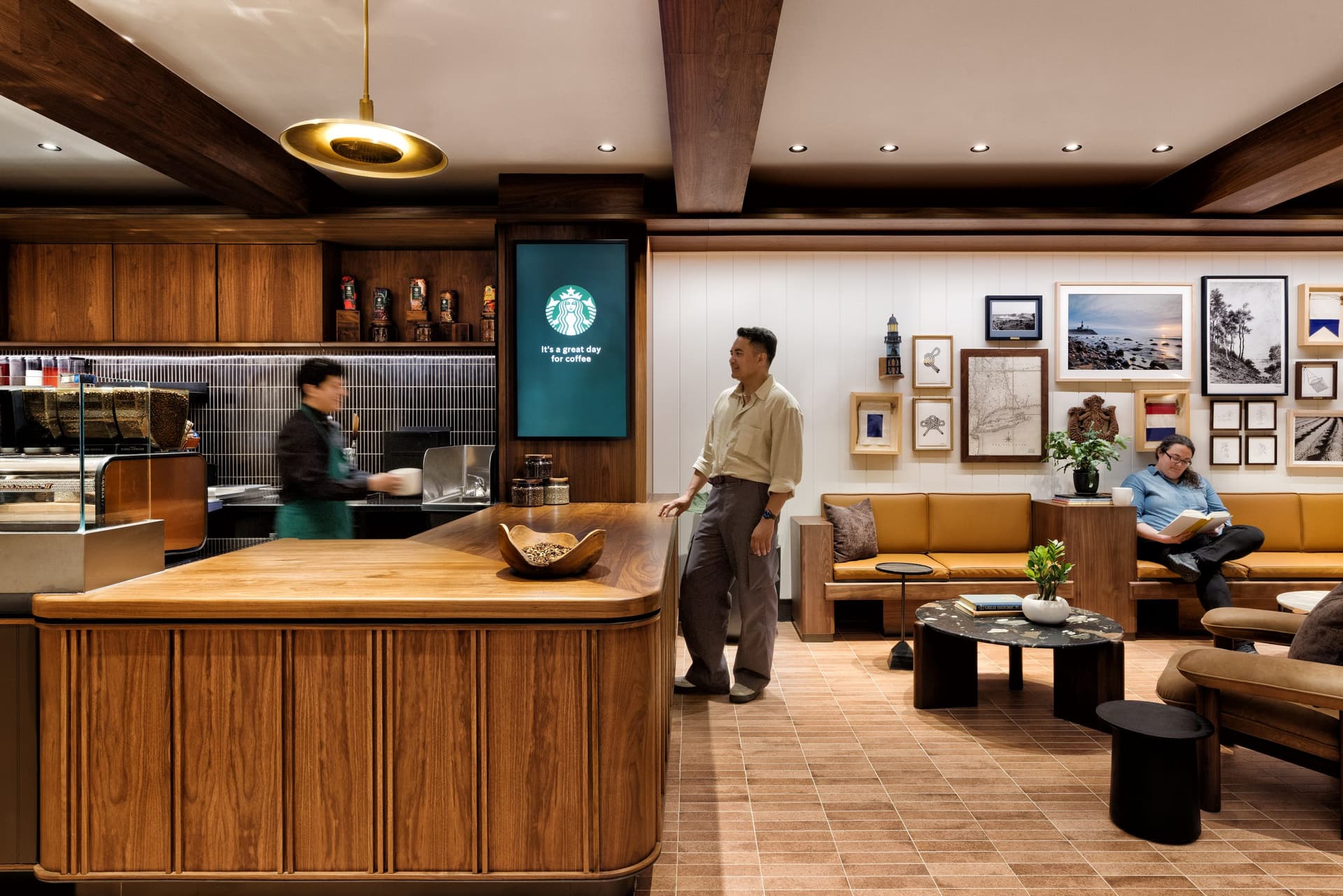
The company has also reintroduced pieces of the older café format, including condiment bars and handwritten names on cups. Alongside those changes, Starbucks has pushed seating, layouts, warmth and visual presentation as part of the service package. The practical result is that cleanliness, handoff, music and partner presence now matter as much as speed. If the room is supposed to feel like a coffeehouse again, every part of the floor has to support that feeling.
That is why the company keeps returning to the same words: craft, warmth, seating and consistency. Starbucks says the goal is a warm and welcoming space with a great atmosphere and a seat for every occasion. In worker terms, that means the café must read as a place to linger, not just a place to transact, which can change how partners pace a rush and how managers assign coverage.
What it means for partners
Starbucks has put real money behind the message. The company says it has invested more than $500 million through Back to Starbucks in partners and coffeehouses, including a $500 million investment in additional hours and expanded rosters so more partners are working during busy shifts. That is a major signal for anyone watching labor on the floor, because more hours can mean more breathing room during peaks, but only if those hours actually reach the right dayparts.
The company also says hourly partners receive pay and benefits valued at an average of more than $30 an hour. Starbucks further says more than 230,000 partners received Bean Stock grants in 2024. That combination is meant to sell the turnaround as a better job, not just a harder one, and it reinforces the company’s message that partner experience and customer experience are linked.
There are also family-leave changes in the mix. In March 2025, Starbucks said it planned to more than double its U.S. parental leave benefit to up to 18 weeks of paid leave. For employees trying to judge whether the turnaround is more than a slogan, that kind of benefit expansion is one of the clearest tests. It tells you whether the company is willing to spend on retention, not just on branding.
Labor tensions are still part of the story
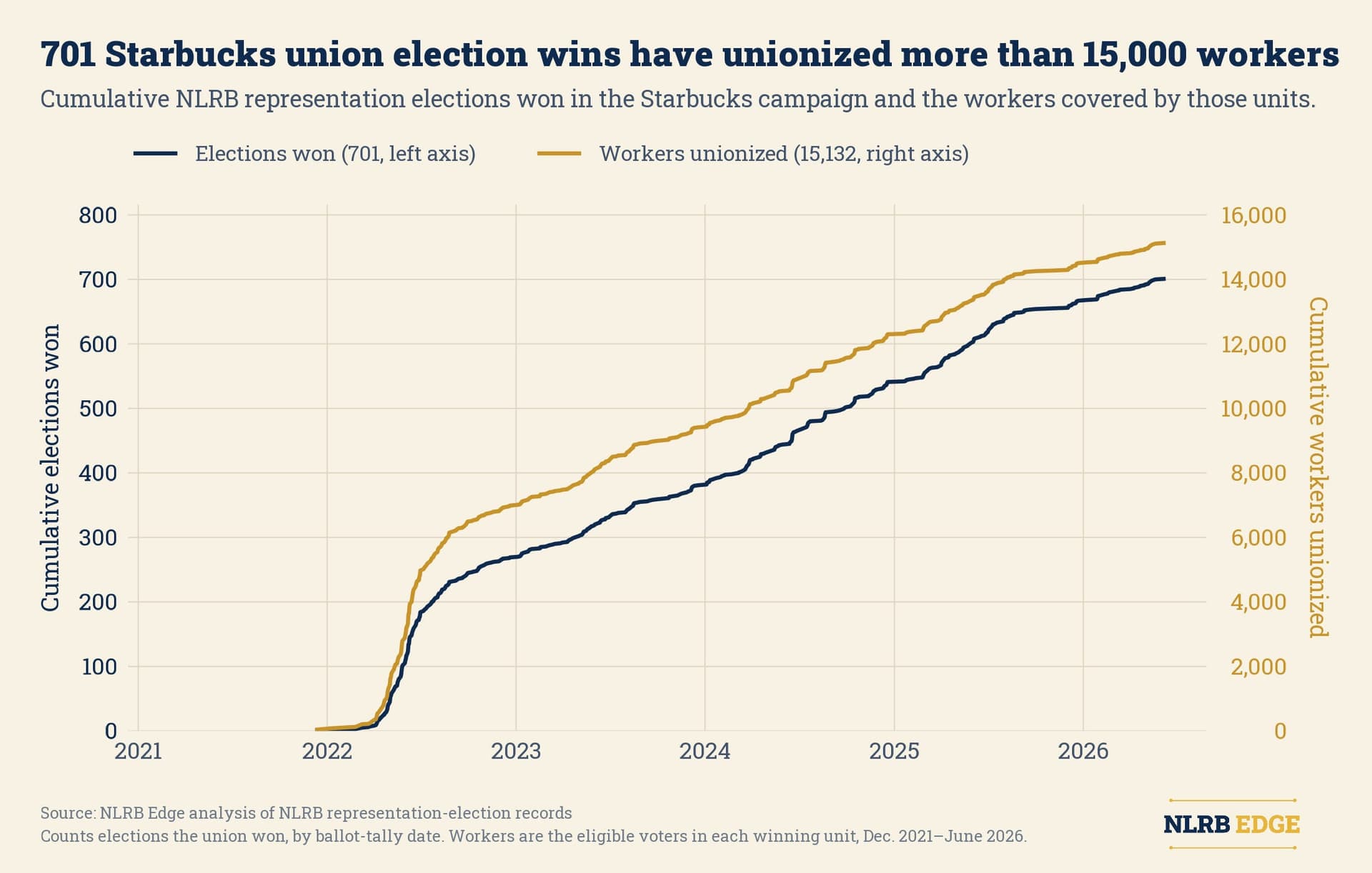
Back to Starbucks has not erased the pressure from organizing stores. Starbucks said in 2025 that more than 30 tentative agreements were already in place in bargaining with Workers United, a sign that negotiations are active even as the company sells a reset to investors and customers. At the same time, union organizers have kept pressing for better pay and staffing, which are still the core flashpoints for many stores.
That tension matters because the turnaround depends on the same people who have been asking for better conditions all along. If Starbucks wants a more welcoming café, it needs enough partners on the floor to deliver it without burning out. In practice, that means the company’s “best job in retail” language will keep colliding with the lived reality of staffing levels, store pacing and the demands of the rush.
The harder edge of the reset
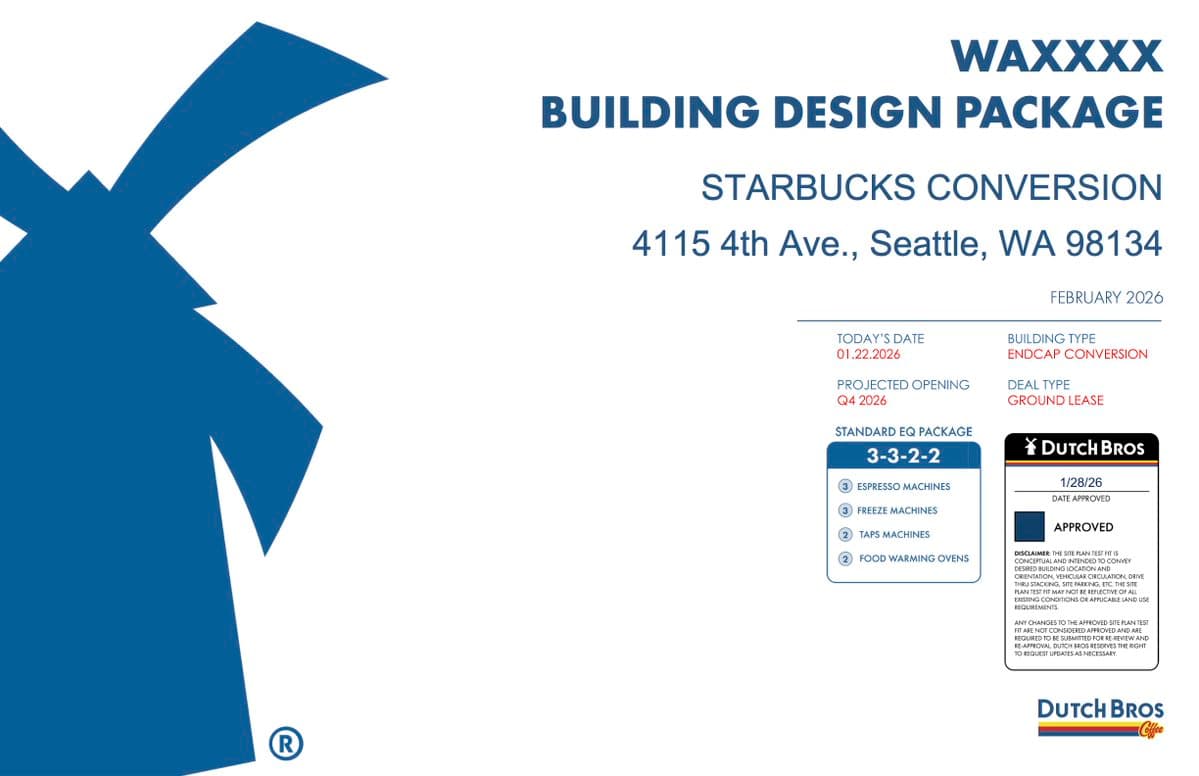
The strategy also has a pruning side. In September 2025, Starbucks announced a roughly $1 billion restructuring plan that included closing more than 400 stores and laying off about 900 non-retail employees. Company statements said impacted coffeehouses were identified where Starbucks could not create the physical environment customers and partners expected, or where it did not see a path to financial performance.
That is the part of the story workers cannot ignore. The company is not only trying to revive coffeehouse culture, it is also shrinking and reshaping its footprint to make the model work. For store managers, that means the standard is higher than ever: the café has to feel right, function right and earn its keep.
What to watch next in stores
For Starbucks workers, Back to Starbucks is best understood as a daily operating plan, not a slogan. The company is using it to justify simpler menus, more brewed coffee focus, different seating and décor choices, added hours, benefit changes and a stronger emphasis on in-store connection. It is also using it to frame closures and layoffs as part of the same effort to restore the brand.
The gap between the promise and the shift will show up in ordinary details: whether the café stays clean, whether handoff feels calmer, whether there are enough partners on the floor, whether guests actually linger, and whether the room feels like a coffeehouse instead of a production line. That is where this turnaround will be won or lost.
This article was produced by Prism’s automated news system from verified source data, official records, and press releases, then run through automated quality and moderation checks before publishing. The system is built and supervised by the people who set the standards it runs under. Read our full AI policy.
Did this article answer your question?