Starbucks sees afternoon traffic as its next growth engine
Starbucks says its biggest traffic gains now land between 3 and 5 p.m., pushing stores to staff, stage, and sequence for a second rush.

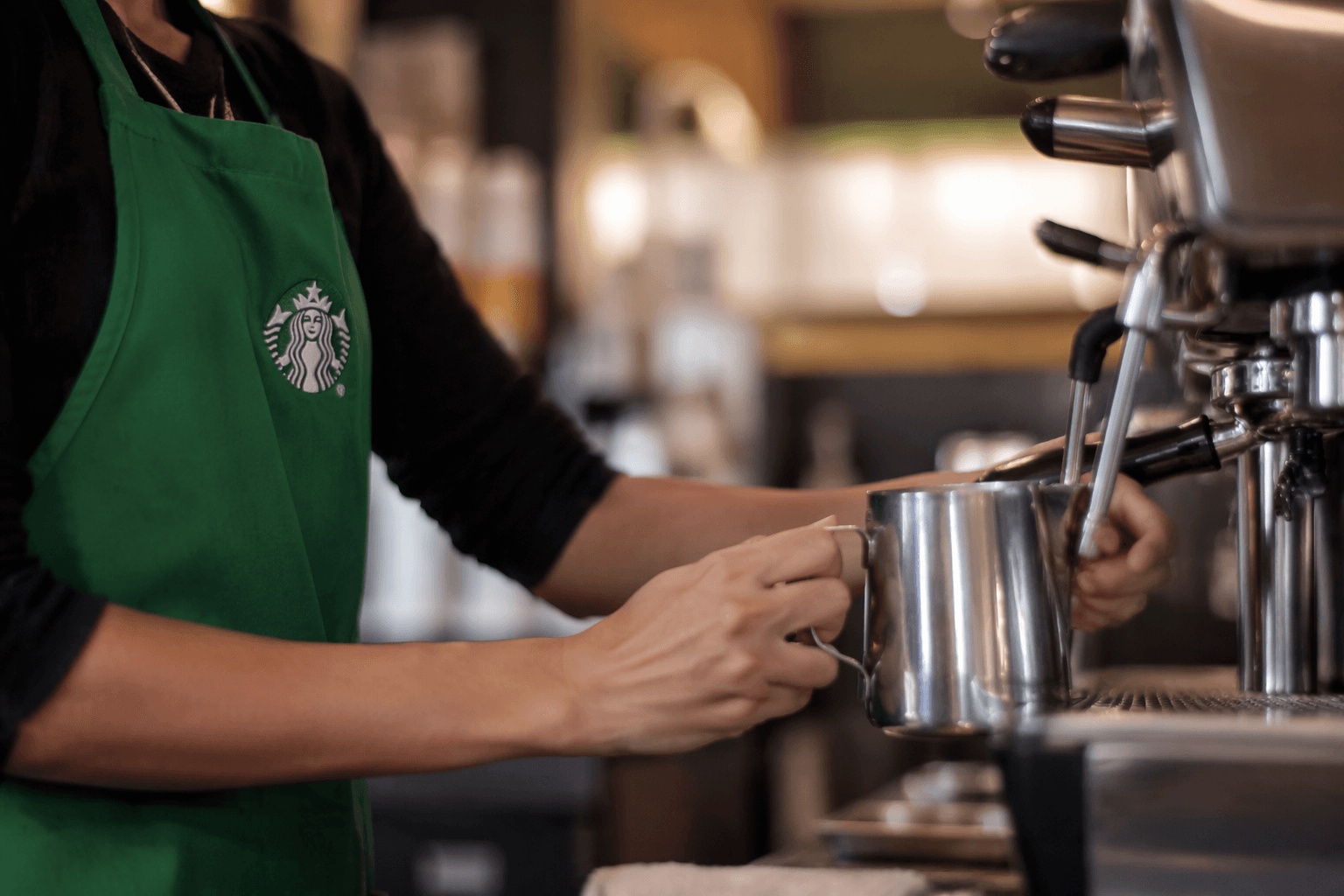
The biggest gains at Starbucks are landing between 3 p.m. and 5 p.m., with visits continuing into the early evening, and that changes the job on the floor as much as it changes the sales mix. For baristas, shift supervisors, and store managers, that raises the importance of cold bar speed, break coverage, and handoff routines in hours that may not have been staffed like a traditional rush.
The afternoon is now a real daypart, not an afterthought
The afternoon has become a separate customer habit, not just extra volume layered onto lunch. Starbucks’ current menu pitch centers on refreshing beverages, protein-packed sandwiches, sweet treats, and an upbeat coffeehouse atmosphere, all aimed at creating a reason to stop in later in the day. A later, more social visit pattern tends to be less predictable than the morning commute, with more customization, more dwell time, and more pressure on crews to keep the store moving without losing the café feel.
Afternoon traffic is not rising evenly across the daypart. The build is concentrated in a window that can collide with shift changes, lunch relief, and prep for the evening close. If a store is still optimized primarily around the breakfast spike, a later-day surge can expose weak spots fast.
Refreshers are doing the heavy lifting
At the center of that afternoon growth are Refreshers, which Starbucks ranks among its top-selling beverage platforms, second only to espresso. That ranking explains why the company keeps expanding beyond standard hot coffee and into beverages that can carry the brand later in the day. It also explains why workers are seeing so much more attention on cold drinks, customizations, and menu innovation built to travel well through the afternoon.
Starbucks tied its Energy Refreshers, introduced in April 2026, to afternoon demand because they let people tailor caffeine levels while still getting the kind of refreshing drink they want after lunch. For anyone on bar, the afternoon customer is often not just ordering a beverage, but choosing a specific kind of lift. That can add steps, ingredient pulls, and conversation at the register, especially when customers are comparing caffeine levels or trying a new platform for the first time.
Food is part of the same traffic play
The afternoon push is not only about drinks. At Investor Day, Starbucks said its food business has doubled since 2020, and tied that growth to the same innovation pipeline feeding beverage launches. Bakery items and sandwiches are now part of how the company wants to build visits later in the day, which means the afternoon is becoming a mix of snack demand, meal replacement, and beverage refresh.
For store teams, that broadens the complexity of the daypart. A stronger food mix means more oven sequencing, more warming coordination, and more chances for ticket times to stretch when beverage and food peaks collide. It also means managers cannot look at cold beverage staffing in isolation, because a sandwich or sweet-treat add-on can slow down the whole line when a small wave of customers turns into a sustained rush.
Why labor planning matters more when the rush moves later
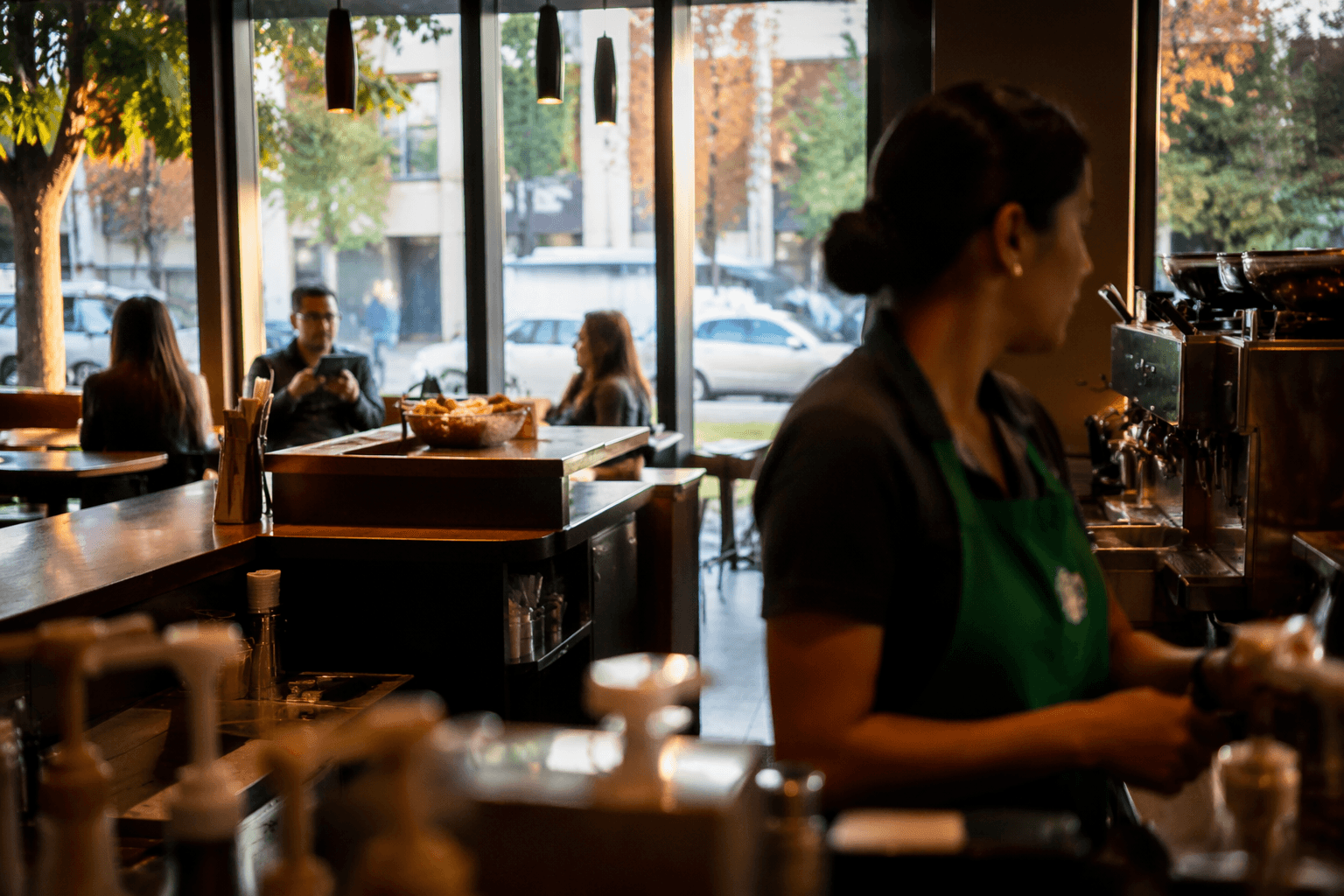
A stronger afternoon business changes the way a store has to be staffed. That daypart now needs more demand planning later in the day, more attention to prep before the wave hits, and a handoff flow that keeps the lobby, drive-thru, and mobile orders from backing up at the same moment. That is a labor story as much as a consumer story, because the store can only absorb later traffic if staffing levels, station assignments, and breaks line up with the real pattern of orders.
That pressure will be familiar to workers already watching how schedules are built, how hours get distributed, and how tip earnings can rise or fall with traffic patterns. A store that gets a second rush in the afternoon may need more predictable overlap between day and closing crews, especially when mobile orders, in-café orders, and food pulls all peak together.
The strategy sits inside Starbucks’ broader turnaround
Starbucks tied this afternoon push to its broader Back to Starbucks transformation plan and menu innovation strategy at its January 29, 2026 Investor Day in Seattle. That event centered on restoring the core coffeehouse experience while adding new menu items designed to drive traffic across more hours of the day.
In fiscal Q2 2026, Starbucks reported global comparable store sales up 6.2%, led by transaction growth, and consolidated net revenues of $9.5 billion. The company also raised its fiscal year 2026 guidance after the quarter.
What partners should watch next
The key operational question is whether stores are being built for a later peak or merely absorbing one. If afternoon visits keep climbing and then spill into the early evening, the practical effects will show up in scheduling, station sequencing, and how much flexibility shift supervisors have to cover breaks without slowing service. It will also show up in the product mix, as more of the load shifts to cold beverages, customizable energy drinks, sandwiches, and sweet items that can keep a café busy long after the morning crowd is gone.
This article was produced by Prism’s automated news system from verified source data, official records, and press releases, then run through automated quality and moderation checks before publishing. The system is built and supervised by the people who set the standards it runs under. Read our full AI policy.
Did this article answer your question?