Starbucks sees overseas store count potentially doubling, Niccol says
Brian Niccol said Starbucks could double its 22,000 overseas stores, a sign the company is betting on global growth even as U.S. labor tensions continue.
Starbucks is looking well beyond its U.S. turnaround story. Brian Niccol told investors the company believes its roughly 22,000 stores outside the United States could double, a signal that Starbucks still sees overseas markets as a major engine for growth even as it works through staffing, service and labor pressures at home.
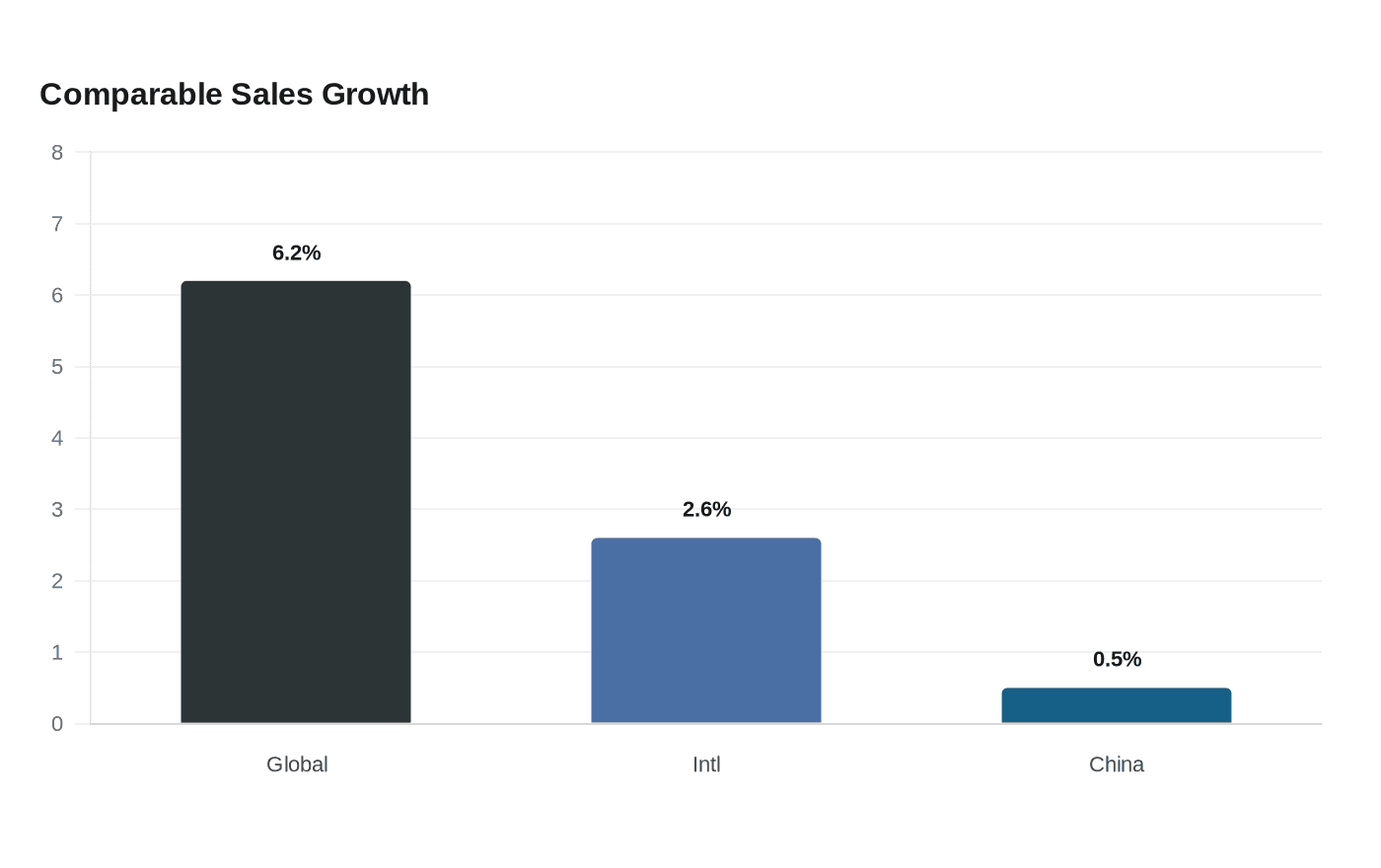
The scale of that ambition matters for the people who run the business day to day. Starbucks ended its second quarter of fiscal 2026 with 41,129 stores worldwide, up from 41,118 at the end of the first quarter, and said global comparable store sales rose 6.2% in the quarter. International comparable store sales increased 2.6%, while China comparable store sales rose 0.5%, showing that the company is trying to rebuild momentum across a very large and uneven global footprint.

That growth plan comes with a workplace challenge as much as a real estate one. Doubling the overseas store base would require more than new leases and new logos on storefronts. It would mean replicating Starbucks standards across markets with very different labor laws, wage structures and customer expectations, while building enough store managers, shift supervisors and trainers to hold service levels together. Starbucks already leans heavily on a blended operating model, with company-operated and licensed stores across its system, and the company said in Q2 that 52% of its locations were company-operated and 48% were licensed.
The company has also been reshaping how it talks about growth. At its 2026 Investor Day, Starbucks emphasized progress on its “Back to Starbucks” plan, along with new coffeehouse and menu innovation and a framework for long-term, sustainable growth. In April, Starbucks closed its joint venture with Boyu Capital in China, giving Boyu a 60% stake in Starbucks China retail operations while Starbucks retained 40% and kept ownership of the brand and intellectual property. That deal was billed as a way to unlock disciplined growth in one of Starbucks’ most important markets, and it shows the company is willing to adjust its operating model as it chases expansion abroad.
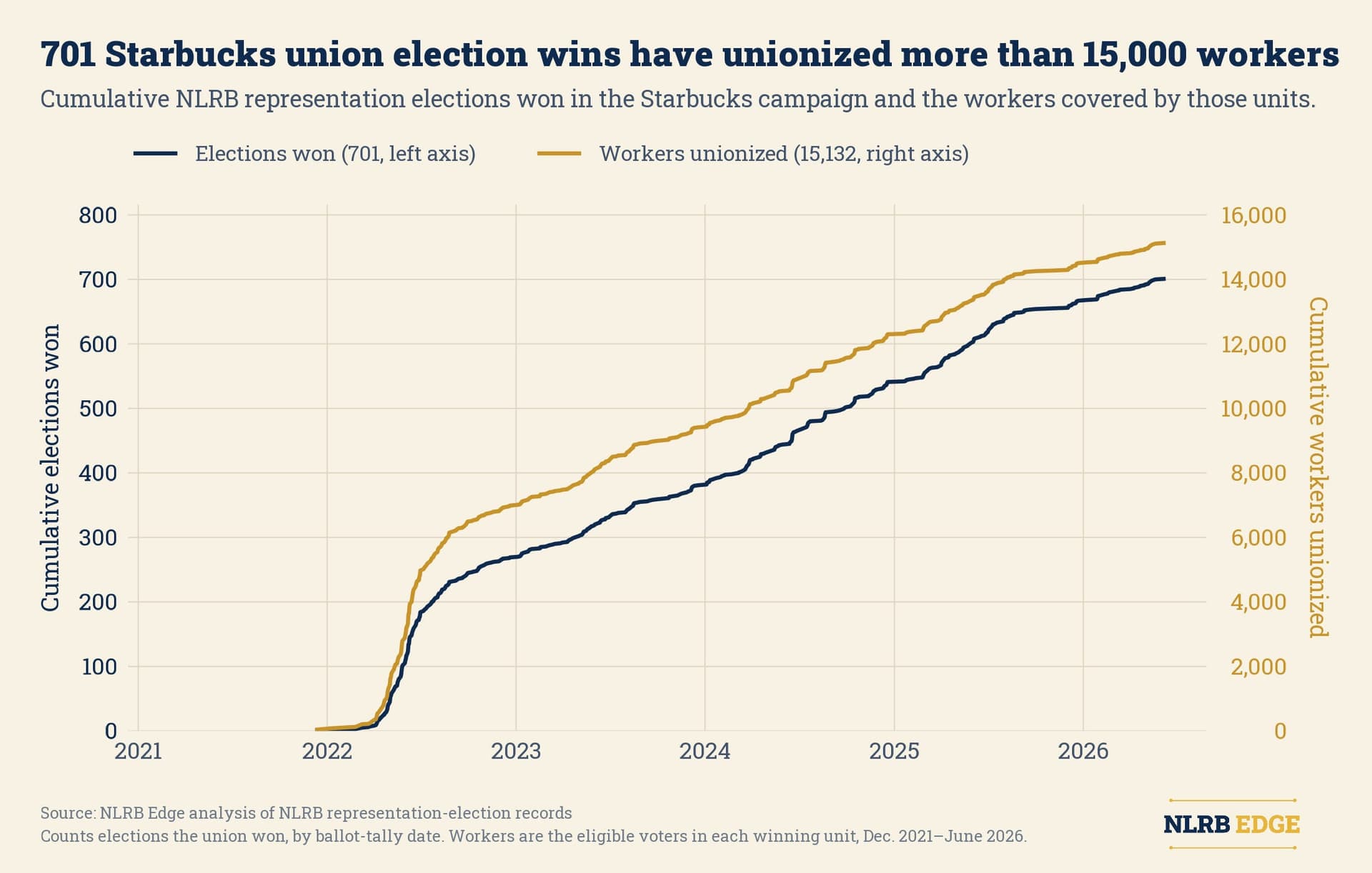
For U.S. partners, the global-growth pitch lands alongside an unresolved labor fight. Starbucks Workers United says it represents workers at 550 Starbucks locations in the United States, and bargaining has continued in monthly, multi-day in-person sessions. In February, the New York City Comptroller urged shareholders to vote against re-electing directors Jørgen Vig Knudstorp and Beth Ford over labor-relations oversight concerns. Against that backdrop, Niccol’s overseas comment is more than an investor soundbite: it suggests Starbucks is still trying to export a workplace model that is under strain in its home market.
This article was produced by Prism’s automated news system from verified source data, official records, and press releases, then run through automated quality and moderation checks before publishing. The system is built and supervised by the people who set the standards it runs under. Read our full AI policy.
Did this article answer your question?