Starbucks sees smaller stores, drive-thrus as path to 5,000 more U.S. units
Starbucks’ smaller-store push could add 5,000 U.S. units, but it also points to leaner floors, tighter schedules and more pressure on partners.
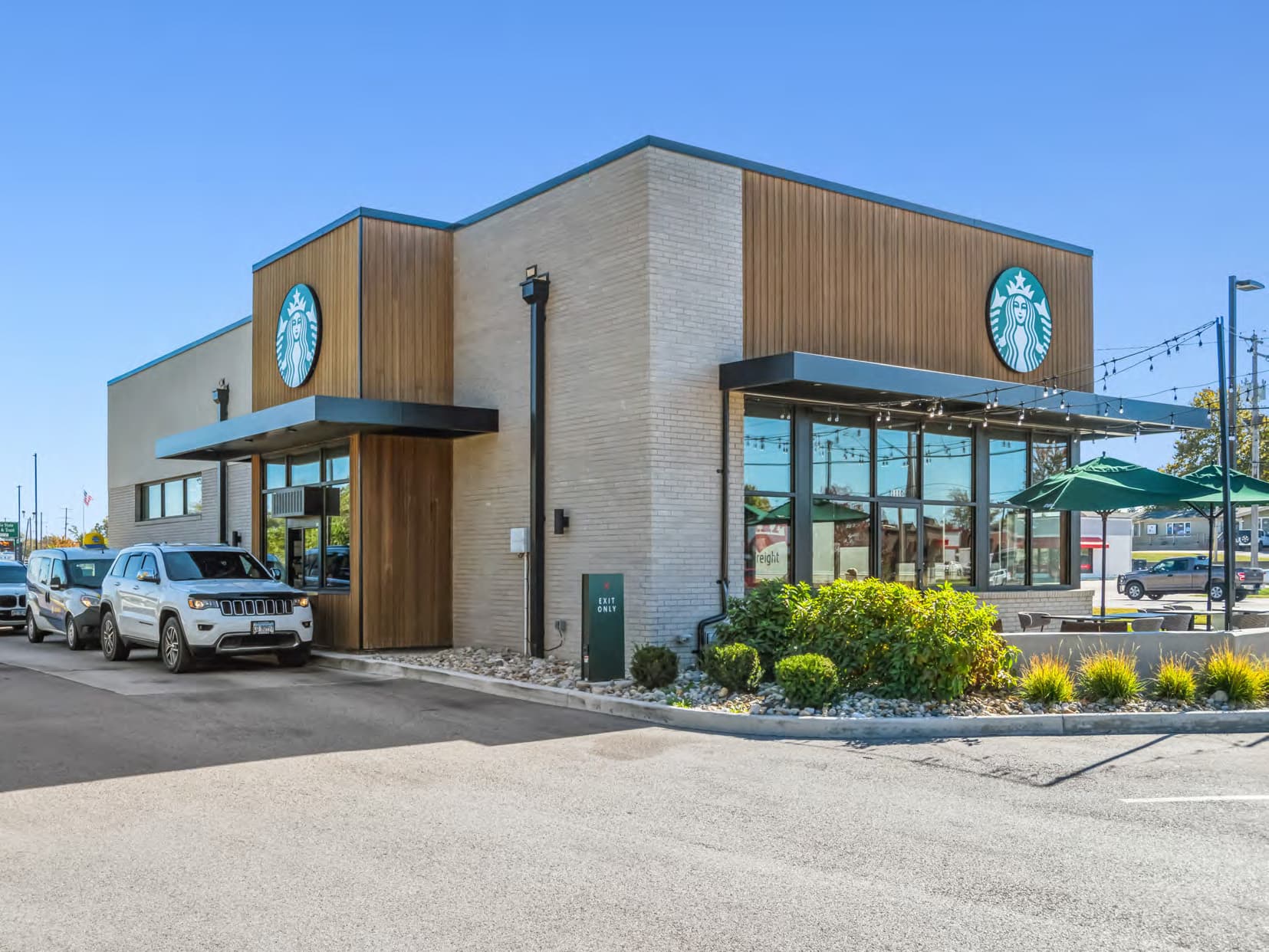
Starbucks is betting that smaller stores, including drive-thrus, can fuel another wave of U.S. growth, but the workplace question is what that means for the people on the floor. A leaner café model can reshape staffing, labor hours, training and promotion paths, while putting more pressure on mobile handoff, drive-thru sequencing and the pace of service.
The company believes smaller-footprint locations could help it open another 5,000 U.S. units, and potentially as many as 10,000 over time. At its Jan. 29, 2026 Investor Day, Starbucks said it was targeting more than 2,000 net new stores globally across its company-operated and licensed portfolio, including about 400 net new U.S. company-operated stores. Starbucks said in January that it had more than 41,000 company-operated and licensed coffeehouses worldwide, and Brian Niccol said in September 2025 that the chain would end fiscal 2025 with nearly 18,300 total locations across the U.S. and Canada.

That growth plan depends on a store design that Starbucks says can still handle seating, drive-thru service and mobile order pickup in a more compact footprint. The company has tied that approach to Green Apron Service, its operating model focused on throughput, staffing, labor-hour allocation and customer experience. Starbucks also said in 2025 that it would invest more than half a billion dollars of additional labor hours into its U.S. company-operated stores over the following year, a signal that expansion is being paired with a heavier push on execution, not just headcount.
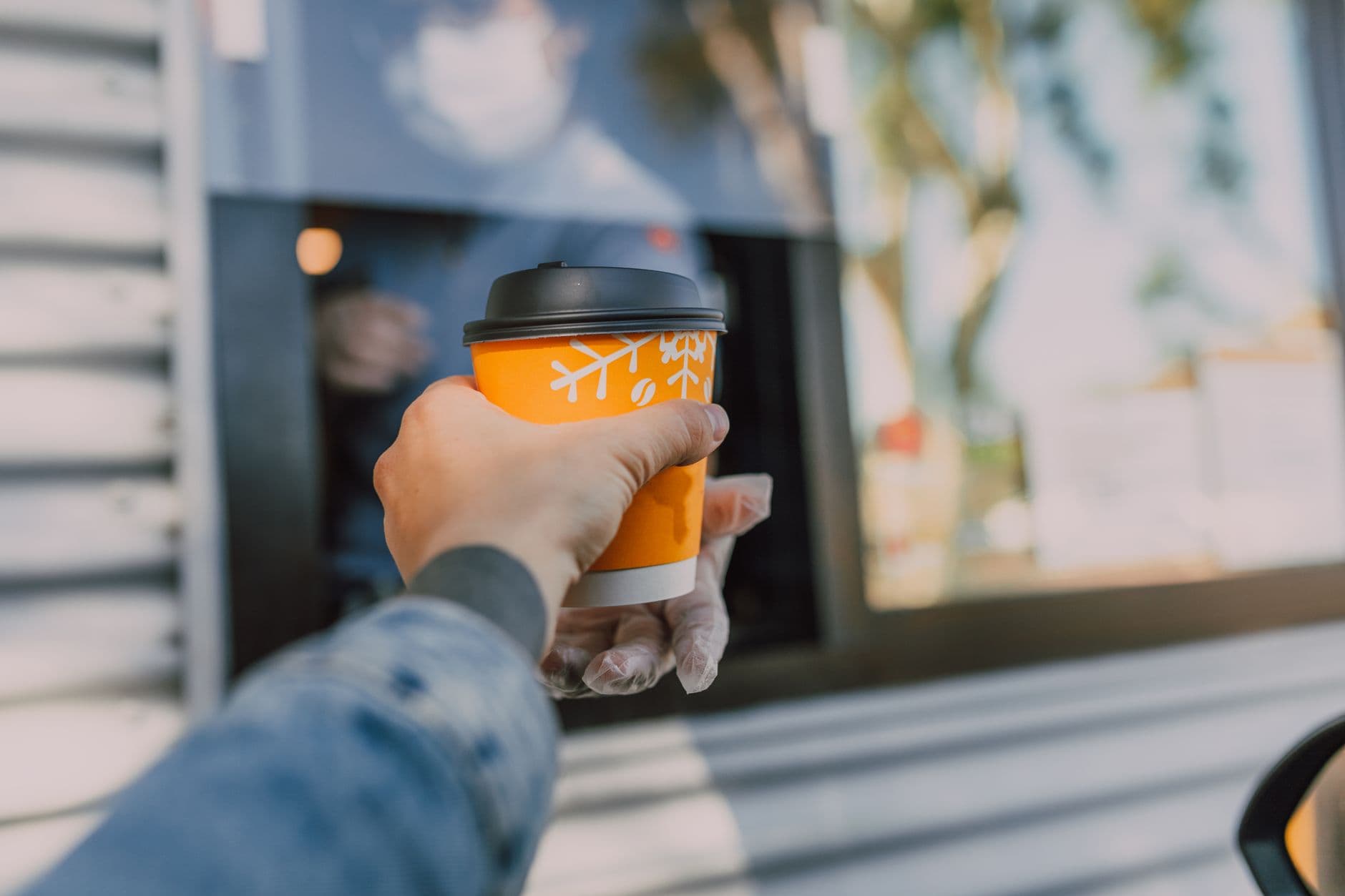
For partners, the format matters as much as the headline. Smaller stores can mean less back-of-house room, fewer people working side by side and more specialized job demands for baristas and shift supervisors. Starbucks already discontinued mobile order and pickup-only stores in 2025 as it moved toward smaller-format stores, and late-2025 reporting said the company was piloting a lower-cost coffeehouse prototype with 32 seats and a drive-thru, along with a separate small-format version. Starbucks also said its fiscal 2025 North America restructuring would shrink the footprint by about 1% after openings and closures.

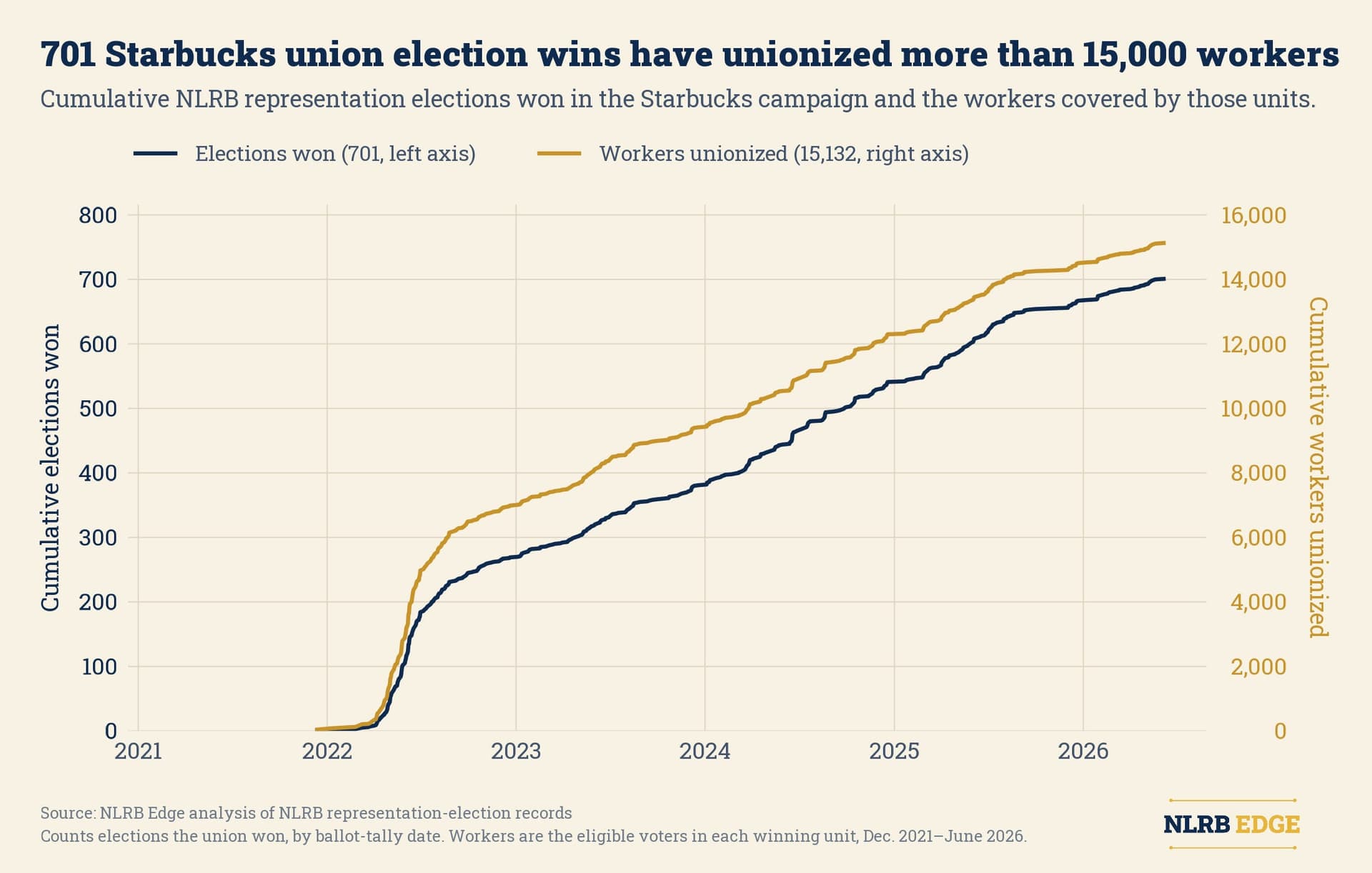
That backdrop matters for labor, too. Starbucks Workers United represents about 6% of the company-owned U.S. locations, according to a March 2026 CNBC report, and the union said it won effects-bargaining protections for baristas affected by Starbucks’ 2026 Seattle store closures, including financial support, extended healthcare and fairer pathways to continued employment. Starbucks said in a 2025 bargaining update that it had reached more than 30 tentative agreements on full contract articles and remained open to negotiations if Workers United returned to the table. The company’s next growth phase is being sold as expansion, but for many partners it will be judged by whether the new stores bring better opportunities, or simply stretch fewer people across a more compressed operation.
This article was produced by Prism’s automated news system from verified source data, official records, and press releases, then run through automated quality and moderation checks before publishing. The system is built and supervised by the people who set the standards it runs under. Read our full AI policy.
Did this article answer your question?