Starbucks spotlights coffee craft, sourcing and the future of arabica
Starbucks is using coffee craft to reframe store work as skilled labor, pairing barista identity with a bigger bet on arabica’s future.

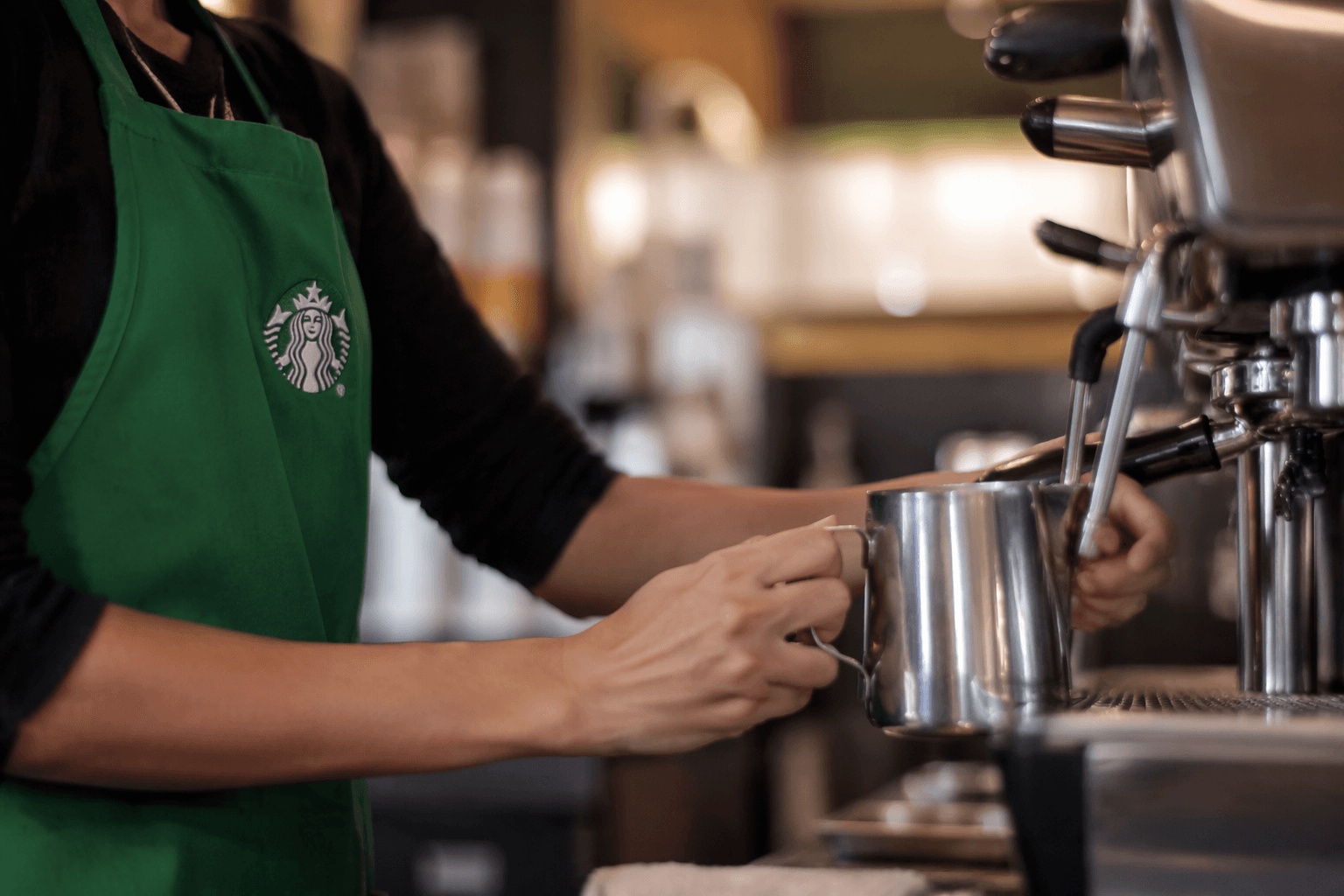
Starbucks is trying to make coffee feel bigger than a transaction. The company’s own language ties each cup to farmers, agronomists, roasters, buyers, engineers and Green Apron baristas, which gives store teams a clearer sense that the drink they hand across the counter is the last step in a much longer craft chain. For partners who spend all day fielding drink questions, that matters: it turns routine prep into a job with a story, a science and a standard behind it.
Coffee craft is the job, not a side note
Starbucks has long described coffee as the heart of the brand, and that framing is doing a lot of work here. The company says it was founded in 1971 and has been committed since then to ethically sourcing and roasting high-quality arabica coffee, while its company timeline says the first store opened in Seattle’s Pike Place Market and that Howard Schultz joined in 1982 before a 1983 trip to Italy helped shape the company’s espresso-bar direction. That history explains why Starbucks keeps returning to craft language: the brand wants coffee to feel like a practiced skill, not just a commodity.
For baristas and shift supervisors, that message is more than branding. It can make the daily work of dialing in drinks, explaining roast differences, and keeping standards tight feel like part of the company’s core identity. Starbucks also points readers toward coffee science explainers, brewing basics and home-brewing guides, which signals that education is meant to reach both customers and employees. The more a partner understands why a coffee tastes the way it does, the easier it is to answer a customer without sounding scripted.
The company even says it plainly on its About Us page: “It takes many hands to craft the perfect cup of coffee.” That line matters because it puts a cafe worker in the same sentence as the farm and the roastery. It is a small rhetorical shift, but in a store where pace, customer pressure and labor tension can flatten the work into pure throughput, it restores some pride to the role.
Why sourcing language belongs on the floor
Starbucks’ sourcing story is where the craft narrative gets practical. The company says more than 450,000 farmers grow its coffee, and that its first coffee and research farm, Hacienda Alsacia in Costa Rica, sits on the slopes of Volcán Poás. Starbucks says that farm is part of a wider innovation effort focused on problems like climate change, depleted soil, reduced harvests and disease.
That is not background noise. It is the reason a customer conversation about origin or roast can become a stronger brand moment. If store teams can connect the cup to the work of breeders, agronomists and farmers, they are not just reciting a menu fact. They are explaining why consistency, sourcing and brewing quality matter, especially when customers are paying more and expect a story that justifies the price.
Starbucks says its core coffee collection includes more than 600 coffee hybrids and varietals, which gives the company a deep bench to draw from as it looks for taste, productivity and resistance to disease and climate stress. In 2025, the company said it buys coffee only from farms that meet its C.A.F.E. Practices verification standard, and that the program is a prerequisite to doing business with Starbucks. For workers, that means the sourcing language is not decorative. It is part of the quality promise the brand is selling at the register.
The future of arabica is being built in farm rows, not slogans
Starbucks’ recent coffee reporting shows how aggressively the company is trying to turn resilience into infrastructure. In 2024, it said it had expanded its effort to protect the future of coffee with two new farms in Costa Rica and Guatemala, where hybrid coffee varieties would be studied under different elevations and soil conditions. At the same time, Starbucks said it had distributed approximately 90 million climate-resistant coffee trees and more than 53 million coffee seedlings to farmers.
By March 2026, that total had reached 100 million coffee trees donated to farmers, with 50 million more planned. The company also says it has 10 Farmer Support Centers around the world. Put together, those numbers show a business treating coffee breeding and farm resilience like a long-term industrial project, not a marketing campaign. That should matter to anyone on the floor, because the promise of a consistent cup starts years before a drink gets pulled on a machine.
Carlos Mario Rodriguez, in Starbucks’ own coffee leadership storytelling, says it is important for customers to know how difficult it is to produce high-quality coffee. He describes early work that included visiting farmers, setting up test plots, spacing trees correctly, and reducing erosion and pesticide use. That is the kind of detail that helps baristas translate brand language into something real: coffee quality is built through agronomy, not magic.
What this means for partners in the store
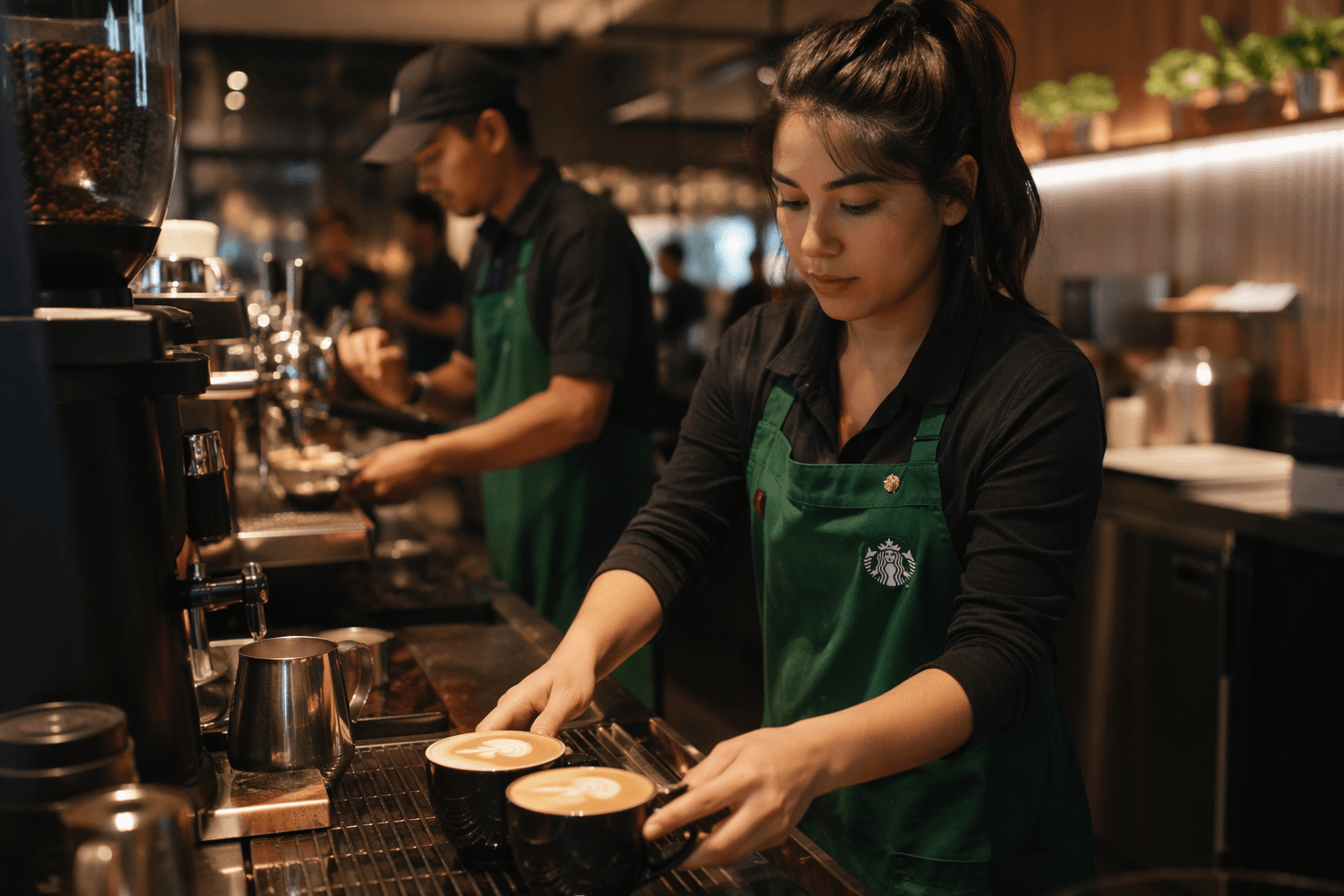
The morale piece here is straightforward. When Starbucks talks about coffee as craft, it gives baristas a way to see themselves as part of a skilled chain rather than just a labor pool. That can help on busy days when the work feels mechanical, and it can also make the job easier to explain to customers who want to know why one drink tastes different from another, or why sourcing, roast and brewing all matter.
It also gives managers and supervisors a tool for building confidence on the floor. A partner who understands that Starbucks is working with more than 450,000 farmers, maintaining a core collection of more than 600 hybrids and varietals, and backing that with farms, seedling distribution and Farmer Support Centers has more to say than a partner who has only memorized the script. The result is not just better service. It is a stronger sense that the job involves knowledge, judgment and care.
For a company that has spent decades balancing heritage and innovation, this is the more useful version of the story. Starbucks is not just asking customers to believe in coffee craft. It is giving store teams a reason to believe their own work is part of it, from the farm rows in Costa Rica and Guatemala to the final pour in a U.S. store.
This article was produced by Prism’s automated news system from verified source data, official records, and press releases, then run through automated quality and moderation checks before publishing. The system is built and supervised by the people who set the standards it runs under. Read our full AI policy.
Did this article answer your question?