Starbucks sues union over trademark use in labor fight
Starbucks is taking the union to court over logos and messaging, turning a contract fight into a battle over who controls the brand baristas use to organize.

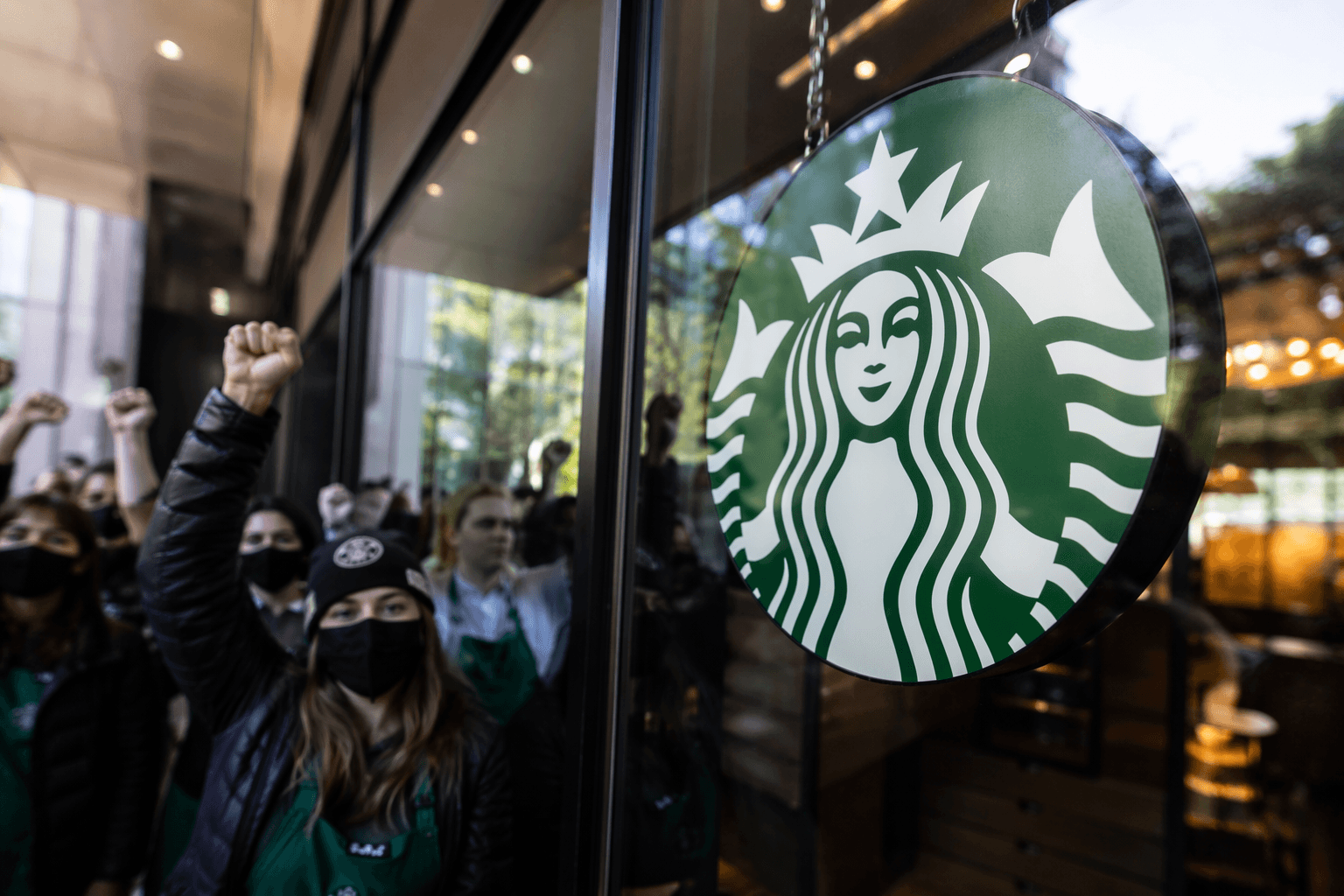
Starbucks is widening its labor fight into a trademark case, accusing Workers United of using the company’s logos and brand assets in ways that could confuse customers or suggest Starbucks backs the union’s social, political, or geopolitical message. For baristas and shift supervisors, the dispute is more than a branding spat: it puts union flyers, social posts, merchandise, and other public organizing materials under legal pressure at the same time contract talks remain stuck.
The new complaint says Starbucks wants to stop what it sees as misleading use of its name and image, including copycat logos and merchandise. The company says the brand is unusually valuable, pointing to its start in Seattle’s Pike Place Market in 1971 and its reach today, with nearly 100 million customers a week at more than 41,000 coffeehouses in more than 90 countries. Starbucks also says it would prefer a negotiated resolution, but filed suit after the dispute was not resolved.
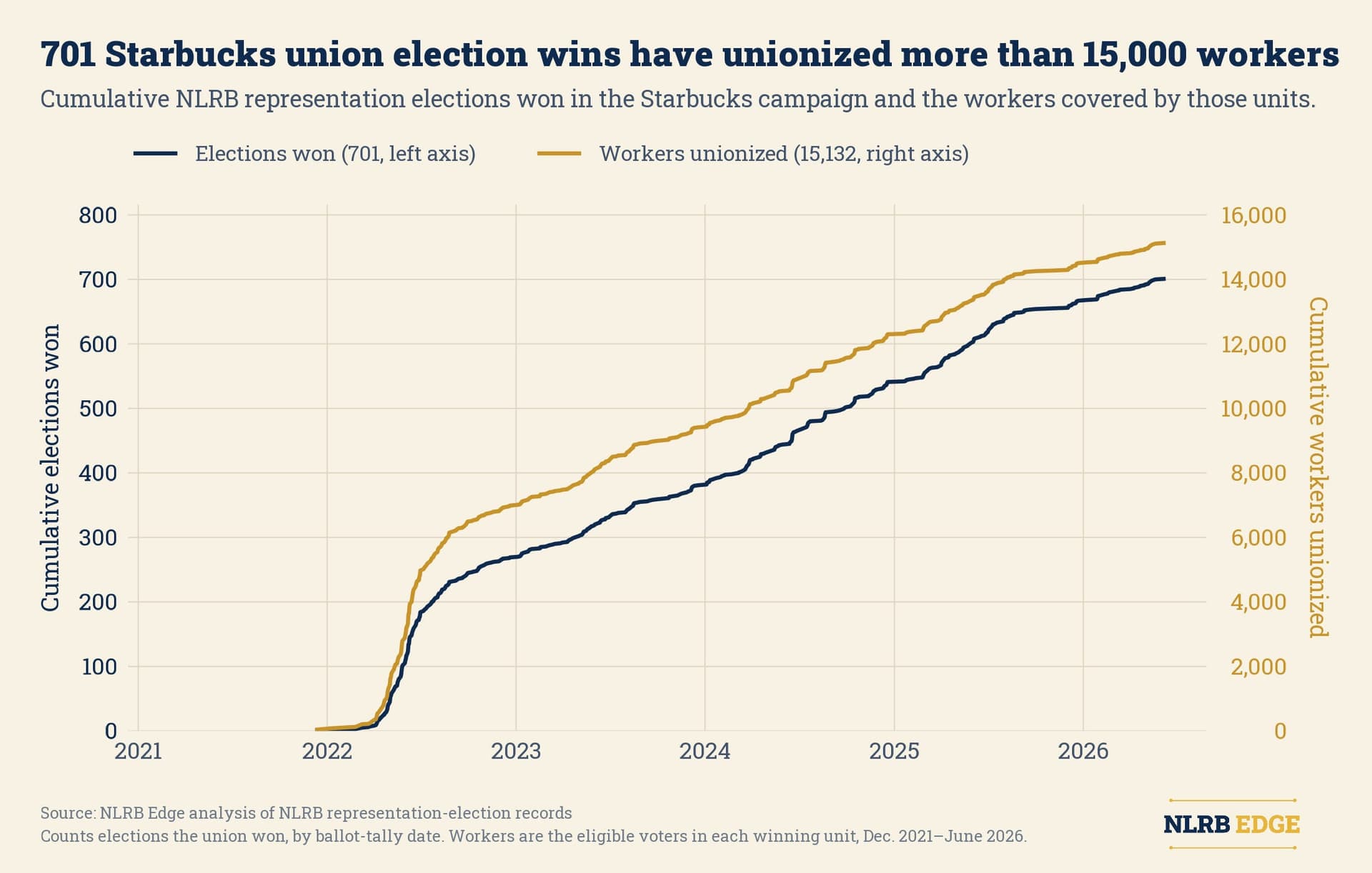
Workers United answered with its own declaratory-judgment case in federal court in Philadelphia on April 3, 2026, asking a judge to let it keep using the words Starbucks Workers United and a related logo. The union says it represents more than 12,000 Starbucks workers at about 650 stores in the United States, while its website says it has won elections at nearly 700 locations and has more than 12,000 union partners. That makes the case a direct test of how far organizing speech can go when it is built around the employer’s own name.
For Starbucks workers, the practical stakes are obvious. If the company succeeds in narrowing what the union can print, post, or wear, it could affect how workers communicate publicly about wages, hours, staffing, and store conditions. Workers United says it has supported Starbucks workers in their campaign for nearly five years and that it is pressing for a contract that includes a $17 starting wage for the lowest-paid baristas, three workers on the floor, and 4 percent annual raises.
The legal fight is landing in the middle of a stalled bargaining process. Starbucks and Workers United still have not reached a labor agreement more than four years after the first store organized. The sides last held formal negotiations in December 2024, and Workers United sent a new comprehensive proposal on March 13, 2026. Starbucks said in a 2025 update that it had reached more than 30 tentative agreements on full contract articles, but the broader gap remains wide.
The company’s decision to bring trademark law into the labor dispute shows how the organizing wave has changed the terrain. After the Supreme Court’s June 13, 2024, ruling in Starbucks Corp. v. McKinney, the company and the union are now fighting not only over wages and scheduling, but over the legal boundaries of public pressure, brand control, and who gets to speak in Starbucks’ name.
This article was produced by Prism’s automated news system from verified source data, official records, and press releases, then run through automated quality and moderation checks before publishing. The system is built and supervised by the people who set the standards it runs under. Read our full AI policy.
Did this article answer your question?